 EN
EN
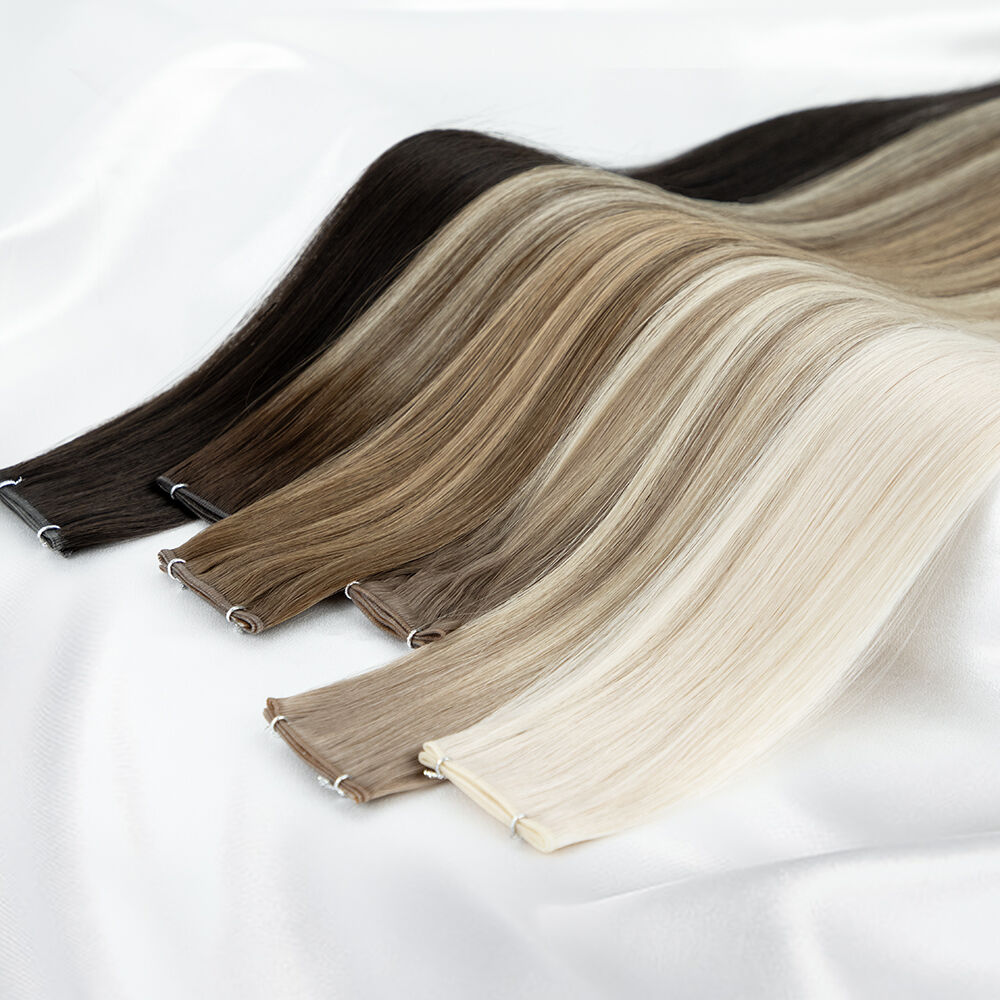
The beauty industry has experienced a significant shift toward ethical sourcing practices, particularly in the realm of hair extensions. Professional stylists and consumers alike are increasingly demanding transparency in how hair products are obtained, processed, and distributed. This comprehensive guide explores the essential considerations for sourcing ethically produced professional hair extensions, ensuring that your business or personal choices align with responsible industry standards.
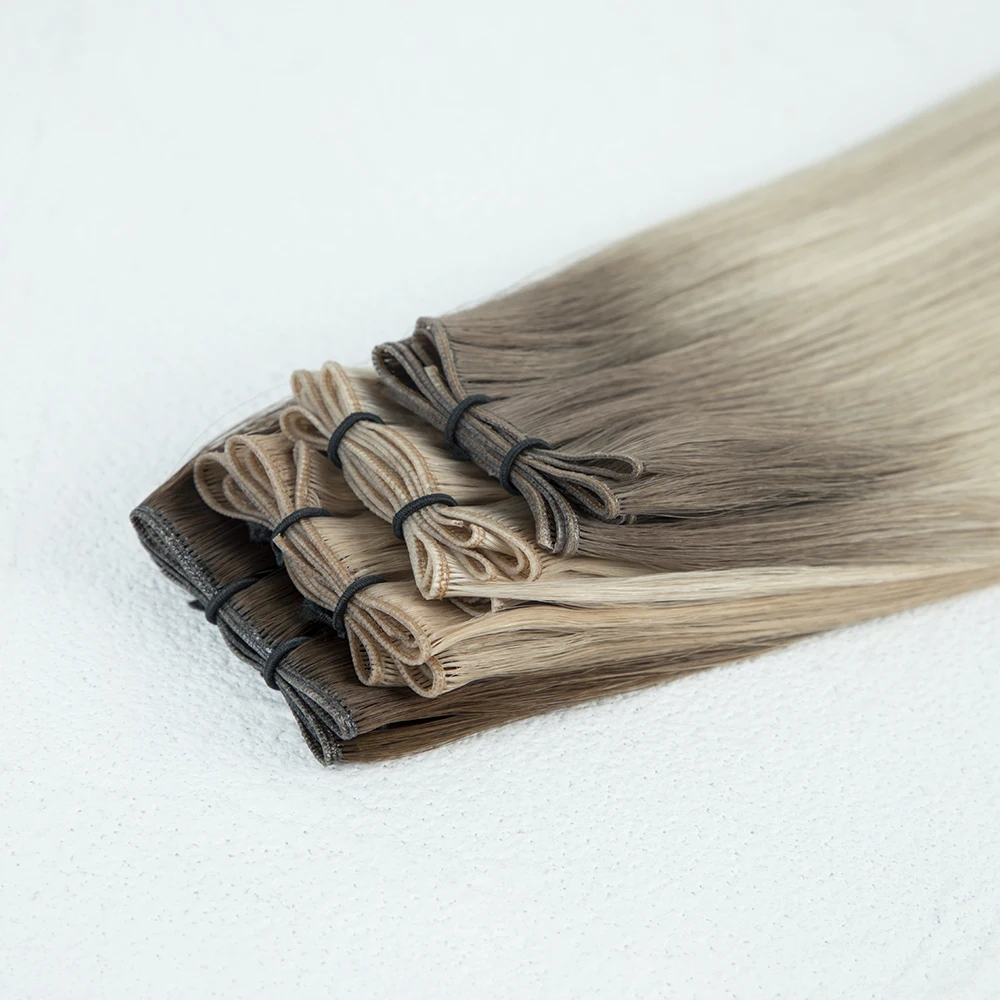
The modern marketplace offers numerous options for hair extensions, but distinguishing between ethically sourced products and those obtained through questionable means requires careful evaluation. Understanding the supply chain, certification processes, and manufacturing standards becomes crucial for making informed purchasing decisions that support sustainable practices within the industry.
Understanding Ethical Sourcing in Hair Extension Manufacturing
Supply Chain Transparency
Ethical sourcing begins with complete transparency throughout the supply chain. Reputable manufacturers of ethically produced professional hair extensions maintain detailed documentation of their sourcing practices, including the geographical origin of raw materials and the conditions under which hair is collected. This transparency extends to processing facilities, where working conditions, fair wages, and environmental impact are carefully monitored and reported.
Leading suppliers implement traceability systems that allow buyers to verify the origin of their products. These systems often include batch tracking, donor identification protocols, and certification from recognized industry bodies. When evaluating potential suppliers, buyers should request comprehensive documentation that demonstrates adherence to ethical sourcing standards.
The most reliable manufacturers establish long-term relationships with their suppliers, creating stable economic opportunities for hair donors while ensuring consistent quality and ethical standards. This approach contrasts sharply with opportunistic sourcing methods that may compromise both quality and ethical considerations for short-term profit margins.
Certification and Quality Assurance
Professional-grade hair extensions require rigorous quality assurance processes that extend beyond basic manufacturing standards. Ethically produced professional hair extensions typically undergo multiple testing phases to ensure color consistency, tensile strength, and chemical composition meet industry benchmarks.
Certification programs from organizations such as the International Association of Hair Restoration Surgery and similar industry bodies provide additional assurance of ethical practices. These certifications evaluate not only the final product but also the manufacturing processes, labor practices, and environmental impact of production facilities.
Quality assurance protocols for ethically produced professional hair extensions include testing for chemical residues, strength durability, and color fastness. These comprehensive evaluations ensure that products meet professional standards while maintaining the integrity of ethical sourcing commitments.
Key Characteristics of Ethical Hair Extension Suppliers
Fair Trade Practices
Ethical suppliers prioritize fair compensation for hair donors, often operating within communities where hair donation provides significant economic opportunities. These suppliers typically maintain long-term relationships with donor communities, ensuring that compensation rates reflect fair market values and support local economic development.
Fair trade certification for hair extensions involves regular audits of supplier practices, including wage verification, working condition assessments, and community impact evaluations. Suppliers committed to these principles often invest in community development projects, educational programs, and healthcare initiatives within donor regions.
The commitment to fair trade extends to manufacturing facilities, where ethically produced professional hair extensions are processed under conditions that prioritize worker safety, fair wages, and environmental responsibility. These facilities often exceed local regulatory requirements and implement international labor standards.
Environmental Responsibility
Sustainable manufacturing practices play a crucial role in ethical hair extension production. Leading suppliers implement water conservation systems, waste reduction protocols, and energy-efficient processing methods. These environmental considerations extend to packaging materials, shipping practices, and facility operations.
Chemical processing for ethically produced professional hair extensions utilizes environmentally safe formulations that minimize ecological impact while maintaining product quality. This approach often involves investment in advanced treatment technologies that reduce water consumption and eliminate harmful chemical discharge.
Many ethical suppliers pursue third-party environmental certifications that validate their commitment to sustainable practices. These certifications provide buyers with additional assurance that their purchases support environmentally responsible manufacturing processes.
Evaluating Product Quality and Authenticity
Raw Material Assessment
High-quality ethically produced professional hair extensions begin with superior raw materials. The best suppliers source hair from regions known for producing strong, healthy hair with minimal chemical exposure. European and South American sources often provide hair with excellent cuticle integrity and natural color variations that professional stylists prefer.
Single-donor hair represents the premium category within ethically sourced extensions, offering superior color consistency and texture uniformity. This type of hair undergoes minimal processing, preserving natural characteristics while ensuring longevity and styling versatility. The higher cost of single-donor hair reflects the additional effort required for ethical collection and processing.
Assessment techniques for raw materials include microscopic analysis of cuticle structure, chemical composition testing, and mechanical strength evaluation. These assessments help buyers verify that ethically produced professional hair extensions meet claimed specifications and will perform according to professional standards.
Processing Standards
Ethical processing methods preserve hair integrity while achieving desired characteristics such as color matching and texture consistency. Advanced processing facilities utilize gentle chemical formulations and temperature-controlled environments to minimize damage during transformation processes.
Double-drawn processing represents a premium technique where shorter hairs are manually removed to create uniform length throughout the extension. This labor-intensive process requires skilled technicians and significantly increases production costs, but results in extensions with superior appearance and performance characteristics.
Quality control during processing involves multiple inspection points where ethically produced professional hair extensions are evaluated for consistency, strength, and appearance. These checkpoints ensure that only products meeting strict quality standards reach the market, supporting the reputation of ethical suppliers.
Building Relationships with Ethical Suppliers
Due Diligence Process
Establishing relationships with ethical suppliers requires comprehensive due diligence that goes beyond basic product evaluation. Prospective buyers should request facility tours, supplier certifications, and detailed documentation of sourcing practices. This investigative process helps identify suppliers whose practices align with ethical standards.
Financial stability assessment ensures that ethical suppliers can maintain consistent quality and sourcing practices over time. Suppliers operating on unstable financial foundations may compromise ethical standards during challenging periods, making long-term reliability a crucial evaluation criterion.
Reference verification from other professional buyers provides valuable insights into supplier performance, reliability, and ethical consistency. These references often reveal practical aspects of working with specific suppliers that may not be apparent during initial evaluation processes.
Long-term Partnership Benefits
Developing long-term relationships with suppliers of ethically produced professional hair extensions offers multiple advantages including priority access to premium products, customized processing options, and preferential pricing structures. These partnerships often evolve to include collaborative product development and exclusive distribution arrangements.
Established partnerships provide greater supply chain stability, reducing the risk of quality variations or delivery disruptions that can impact professional operations. Long-term suppliers are also more likely to accommodate special requests and provide technical support for specific applications.
Educational benefits emerge from close supplier relationships, as ethical manufacturers often share technical knowledge about hair care, styling techniques, and market trends. This information exchange helps buyers optimize their use of ethically produced professional hair extensions and better serve their clients.
Market Trends and Future Developments
Consumer Awareness Growth
Increasing consumer awareness of ethical sourcing issues has created strong demand for transparently produced hair extensions. Modern consumers research suppliers, read certifications, and choose products based on ethical considerations alongside traditional factors like quality and price.
Social media platforms amplify discussions about ethical sourcing, with influencers and professionals sharing information about responsible suppliers. This visibility has elevated the importance of ethical practices within the hair extension industry and created competitive advantages for responsible manufacturers.
Professional stylists report that clients frequently inquire about the sourcing practices behind hair extensions, indicating that ethical considerations have become mainstream concerns. This trend suggests continued growth in demand for ethically produced professional hair extensions across all market segments.
Technology Integration
Advanced tracking technologies enable more sophisticated monitoring of supply chains, providing buyers with real-time information about product origins and processing status. Blockchain technology, in particular, offers immutable records of sourcing and processing history for ethically produced professional hair extensions.
Quality assurance technology improvements include advanced testing methods that can detect chemical treatments, assess hair health, and verify origin claims. These technologies support buyers in making informed decisions about supplier selection and product evaluation.
Digital platforms connecting buyers directly with ethical suppliers reduce intermediary costs while increasing transparency. These platforms often include rating systems, certification verification, and communication tools that facilitate better buyer-supplier relationships.
Implementation Strategies for Businesses
Staff Training and Education
Successful implementation of ethical sourcing practices requires comprehensive staff education about the importance of responsible purchasing decisions. Training programs should cover supplier evaluation techniques, certification recognition, and client communication about ethical considerations.
Ongoing education ensures that staff members stay current with evolving ethical standards and industry best practices. Regular workshops and seminars help maintain awareness of new developments in ethically produced professional hair extensions and related sourcing issues.
Communication training helps staff members effectively explain ethical sourcing benefits to clients, building trust and justifying premium pricing associated with responsibly produced products. This capability becomes increasingly important as consumer awareness continues to grow.
Policy Development
Formal policies governing supplier selection and product procurement provide clear guidelines for ethical sourcing decisions. These policies should establish minimum standards for supplier certification, quality requirements, and ongoing evaluation criteria.
Regular policy reviews ensure that ethical sourcing standards evolve with industry developments and changing consumer expectations. Flexible policies accommodate new certification programs and emerging best practices while maintaining core ethical principles.
Documentation requirements within procurement policies create accountability and facilitate auditing of sourcing decisions. These records support continuous improvement efforts and provide evidence of commitment to ethical practices for marketing and certification purposes.
FAQ
How can I verify that hair extensions are truly ethically sourced
Verification requires reviewing supplier certifications from recognized industry organizations, requesting documentation of sourcing practices, and conducting facility visits when possible. Look for third-party certifications, transparent supply chain information, and evidence of fair trade practices. Reputable suppliers willingly provide detailed information about their sourcing methods and processing standards.
What price premium should I expect for ethically produced professional hair extensions
Ethical hair extensions typically cost 15-30% more than conventional products due to fair trade practices, quality assurance processes, and sustainable manufacturing methods. The premium reflects higher labor costs, certification expenses, and investment in community development programs. However, the superior quality and longevity often provide better long-term value.
Are there specific certifications I should look for when purchasing ethical hair extensions
Key certifications include Fair Trade certification, ISO quality standards, and industry-specific certifications from organizations like the International Association of Hair Restoration Surgery. Environmental certifications such as EcoVadis ratings and social responsibility certifications provide additional assurance of ethical practices throughout the supply chain.
How do ethical sourcing practices affect the quality of hair extensions
Ethical sourcing often results in higher quality products because responsible suppliers invest in better processing equipment, quality control systems, and skilled labor. The emphasis on long-term relationships with donors and processors promotes consistency and attention to detail. Additionally, ethical suppliers typically use gentler processing methods that preserve hair integrity and natural characteristics.
Table of Contents
- Understanding Ethical Sourcing in Hair Extension Manufacturing
- Key Characteristics of Ethical Hair Extension Suppliers
- Evaluating Product Quality and Authenticity
- Building Relationships with Ethical Suppliers
- Market Trends and Future Developments
- Implementation Strategies for Businesses
-
FAQ
- How can I verify that hair extensions are truly ethically sourced
- What price premium should I expect for ethically produced professional hair extensions
- Are there specific certifications I should look for when purchasing ethical hair extensions
- How do ethical sourcing practices affect the quality of hair extensions