 EN
EN

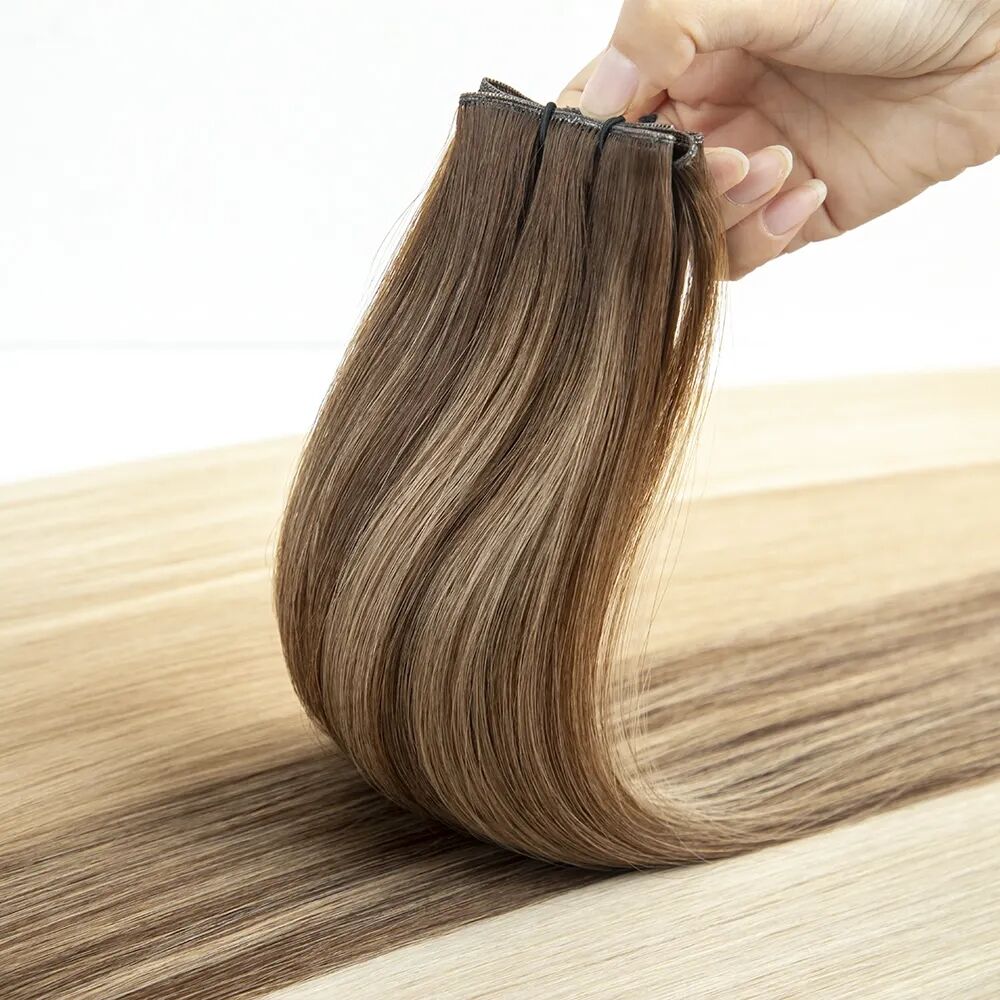
The hair extension industry has witnessed remarkable innovation in recent years, with two distinct weft technologies emerging as frontrunners for wholesale distributors and salon professionals. Understanding the differences between genius weft and hand-tied weft extensions is crucial for making informed inventory decisions that impact both profitability and client satisfaction. Modern consumers demand high-quality, comfortable, and long-lasting hair extensions that deliver natural results without compromising hair health.

Professional stylists and wholesale buyers are increasingly seeking extension methods that offer versatility, durability, and client comfort while maintaining competitive pricing structures. The evolution from traditional machine wefts to advanced techniques like genius weft and hand-tied methods represents a significant shift in manufacturing approaches and application techniques. Each method presents unique advantages and considerations that directly impact wholesale purchasing decisions and end-user satisfaction rates.
Understanding Genius Weft Technology
Manufacturing Innovation Behind Genius Weft
The genius weft represents a revolutionary advancement in hair extension manufacturing, utilizing specialized machinery and techniques to create ultra-thin, flexible wefts that maintain exceptional durability. This innovative approach combines the efficiency of machine production with the refined characteristics traditionally associated with hand-crafted extensions. The manufacturing process involves precise tension control and specialized threading patterns that result in a weft thickness significantly reduced compared to conventional machine wefts.
Advanced production facilities employ cutting-edge technology to ensure consistent quality across large-scale manufacturing runs, making genius weft extensions particularly appealing for wholesale operations requiring reliable inventory levels. The automated precision involved in genius weft creation minimizes human error while maintaining the structural integrity necessary for long-term wear. Quality control measures throughout the production process ensure that each genius weft meets stringent standards for hair alignment, cuticle direction, and weft construction consistency.
Performance Characteristics of Genius Weft
Performance testing reveals that genius weft extensions offer superior comfort levels compared to traditional machine wefts while maintaining competitive durability ratings. The reduced thickness allows for more natural layering and blending with client's natural hair, addressing common concerns about visibility and bulkiness associated with conventional weft methods. Professional colorists appreciate the consistent hair quality and predictable color uptake characteristics that genius weft technology provides across different hair grades and origins.
Installation efficiency represents another significant advantage, as the streamlined weft design facilitates faster application times without sacrificing security or longevity. Stylists report improved client satisfaction rates when using genius weft extensions, particularly regarding comfort during sleep and daily activities. The flexible construction allows for natural movement and reduces the likelihood of tension-related discomfort that can occur with rigid weft structures.
Hand-Tied Weft Construction and Benefits
Artisanal Craftsmanship in Hand-Tied Methods
Hand-tied weft construction represents the pinnacle of traditional craftsmanship in hair extension manufacturing, with skilled artisans individually securing each hair strand to create exceptionally thin and flexible wefts. This meticulous process requires extensive training and expertise, resulting in extensions that offer unparalleled comfort and natural movement characteristics. The manual construction allows for precise control over hair density, cuticle alignment, and overall weft flexibility that automated processes cannot replicate.
The time-intensive nature of hand-tied production naturally limits manufacturing volumes, which can impact wholesale availability and pricing structures. However, the superior quality characteristics often justify premium pricing in markets where clients prioritize comfort and natural appearance over cost considerations. Artisan expertise varies significantly across different manufacturers, making supplier selection particularly crucial for wholesale buyers seeking consistent quality levels.
Comfort and Wearability Advantages
Hand-tied wefts excel in providing exceptional comfort levels due to their ultra-thin profile and flexible construction that moves naturally with the client's hair and scalp. The absence of rigid machine stitching allows the weft to conform to head contours, reducing pressure points and eliminating the bulky appearance that can plague thicker weft constructions. Professional stylists frequently recommend hand-tied options for clients with sensitive scalps or those new to hair extension wear.
The natural drape and movement characteristics of hand-tied wefts contribute to seamless blending with various hair textures and styling approaches. Clients often report forgetting they are wearing extensions due to the comfortable, lightweight feel that hand-tied construction provides. These comfort advantages translate into higher client retention rates and increased referral business for salons that prioritize hand-tied options in their service offerings.
Wholesale Inventory Considerations
Cost Analysis and Profit Margins
Wholesale purchasing decisions must carefully balance initial investment costs against potential profit margins and market demand characteristics for both genius weft and hand-tied options. Genius weft extensions typically offer more competitive wholesale pricing due to efficient manufacturing processes and scalable production capabilities. The consistent quality and reliable availability make genius weft products attractive for businesses requiring predictable inventory costs and steady supply chains.
Hand-tied wefts command premium wholesale prices reflecting the labor-intensive production methods and specialized artisan skills required for manufacturing. While initial investment costs are higher, the premium positioning allows for increased retail margins in markets that value luxury and comfort characteristics. Market research indicates growing consumer willingness to invest in higher-quality extension options, particularly among clients seeking long-term wear solutions.
Market Demand and Consumer Preferences
Consumer education about genius weft technology has increased significantly, with clients becoming more aware of the benefits offered by this innovative approach compared to traditional machine wefts. Social media influence and professional recommendations continue to drive demand for genius weft options across diverse market segments. The versatility and performance characteristics appeal to both budget-conscious consumers and quality-focused clients seeking reliable extension solutions.
Hand-tied weft demand remains strong in premium market segments where clients prioritize comfort and natural appearance over cost considerations. Luxury salons and high-end stylists often position hand-tied options as their premium service offering, justifying higher service fees through superior client experience and results. Understanding local market preferences and client demographics helps wholesale buyers optimize inventory allocation between genius weft and hand-tied options.
Application Techniques and Professional Considerations
Installation Methods and Time Requirements
Professional application techniques for genius weft extensions have evolved to take advantage of the improved flexibility and reduced bulk characteristics these products offer. Stylists can achieve more precise placement and natural blending due to the streamlined weft construction that allows for closer scalp positioning without creating uncomfortable pressure points. Training requirements for genius weft application are generally minimal for experienced extension specialists familiar with traditional weft methods.
Installation time for genius weft applications typically matches or improves upon traditional machine weft procedures while delivering superior comfort and appearance results. The consistent weft construction facilitates predictable installation outcomes and reduces the likelihood of adjustment requirements during the application process. Quality control during installation becomes more straightforward due to the uniform characteristics that genius weft manufacturing provides.
Maintenance and Longevity Factors
Maintenance protocols for both genius weft and hand-tied extensions require specific care instructions to maximize longevity and maintain appearance quality throughout the wear period. Genius weft extensions demonstrate excellent durability characteristics while maintaining their structural integrity through multiple wash and styling cycles. The balanced construction prevents premature shedding and maintains consistent appearance quality that clients expect from professional extension services.
Hand-tied weft maintenance requires gentle handling techniques to preserve the delicate construction that provides their superior comfort characteristics. Professional maintenance appointments become crucial for ensuring longevity and preventing damage to both the extensions and client's natural hair. Proper maintenance education for both stylists and clients helps maximize the investment value of premium hand-tied extension services.
Quality Assessment and Selection Criteria
Hair Quality Standards and Grading
Evaluating hair quality standards becomes paramount when comparing genius weft and hand-tied options from different manufacturers and suppliers. Cuticle alignment, hair origin, and processing methods significantly impact the performance and longevity of both extension types regardless of construction method. Wholesale buyers must establish clear quality criteria that encompass both the hair quality and construction excellence to ensure consistent customer satisfaction.
Genius weft products benefit from standardized quality control measures inherent in machine production processes, providing more consistent results across large inventory purchases. However, hair sourcing and processing quality remain critical factors that vary significantly between manufacturers. Establishing relationships with reputable suppliers who maintain consistent quality standards becomes essential for long-term business success.
Supplier Evaluation and Certification
Comprehensive supplier evaluation should encompass manufacturing capabilities, quality control processes, and ethical sourcing practices for both genius weft and hand-tied extension suppliers. Certification standards and industry compliance demonstrate supplier commitment to quality and professional standards that protect wholesale buyers and end consumers. Regular quality audits and sample testing help maintain consistent standards across ongoing supplier relationships.
Documentation of quality standards, testing protocols, and certification compliance provides valuable protection for wholesale operations and demonstrates due diligence in supplier selection processes. Establishing clear communication channels and quality expectations helps prevent issues and ensures consistent delivery of products that meet market requirements and customer expectations.
FAQ
What are the main differences between genius weft and hand-tied weft extensions?
Genius weft extensions utilize advanced machine manufacturing techniques to create ultra-thin, flexible wefts that combine efficiency with comfort, while hand-tied wefts are manually constructed by skilled artisans for maximum flexibility and comfort. Genius weft offers consistent quality and competitive pricing due to streamlined production, whereas hand-tied wefts provide premium comfort characteristics at higher price points reflecting the labor-intensive manufacturing process.
Which option provides better value for wholesale inventory investment?
The optimal choice depends on your target market and business positioning. Genius weft extensions typically offer better wholesale margins and inventory turnover due to competitive pricing and broad market appeal. Hand-tied wefts command premium pricing and higher profit margins but require markets that value luxury characteristics and are willing to pay for superior comfort and craftsmanship.
How do installation and maintenance requirements differ between these extension types?
Both genius weft and hand-tied extensions require professional installation and regular maintenance, but hand-tied options demand more gentle handling techniques to preserve their delicate construction. Genius weft installations typically proceed more efficiently due to consistent construction characteristics, while hand-tied applications may require additional time for optimal placement and blending to maximize their natural appearance benefits.
What factors should wholesale buyers consider when choosing between these options?
Key considerations include target market demographics, pricing strategies, supplier reliability, and local demand characteristics. Evaluate your client base preferences, stylist training requirements, inventory turnover expectations, and profit margin goals. Consider offering both options to serve diverse market segments, with genius weft serving mainstream demand and hand-tied options targeting premium clientele seeking luxury extension experiences.
Table of Contents
- Understanding Genius Weft Technology
- Hand-Tied Weft Construction and Benefits
- Wholesale Inventory Considerations
- Application Techniques and Professional Considerations
- Quality Assessment and Selection Criteria
-
FAQ
- What are the main differences between genius weft and hand-tied weft extensions?
- Which option provides better value for wholesale inventory investment?
- How do installation and maintenance requirements differ between these extension types?
- What factors should wholesale buyers consider when choosing between these options?