 EN
EN

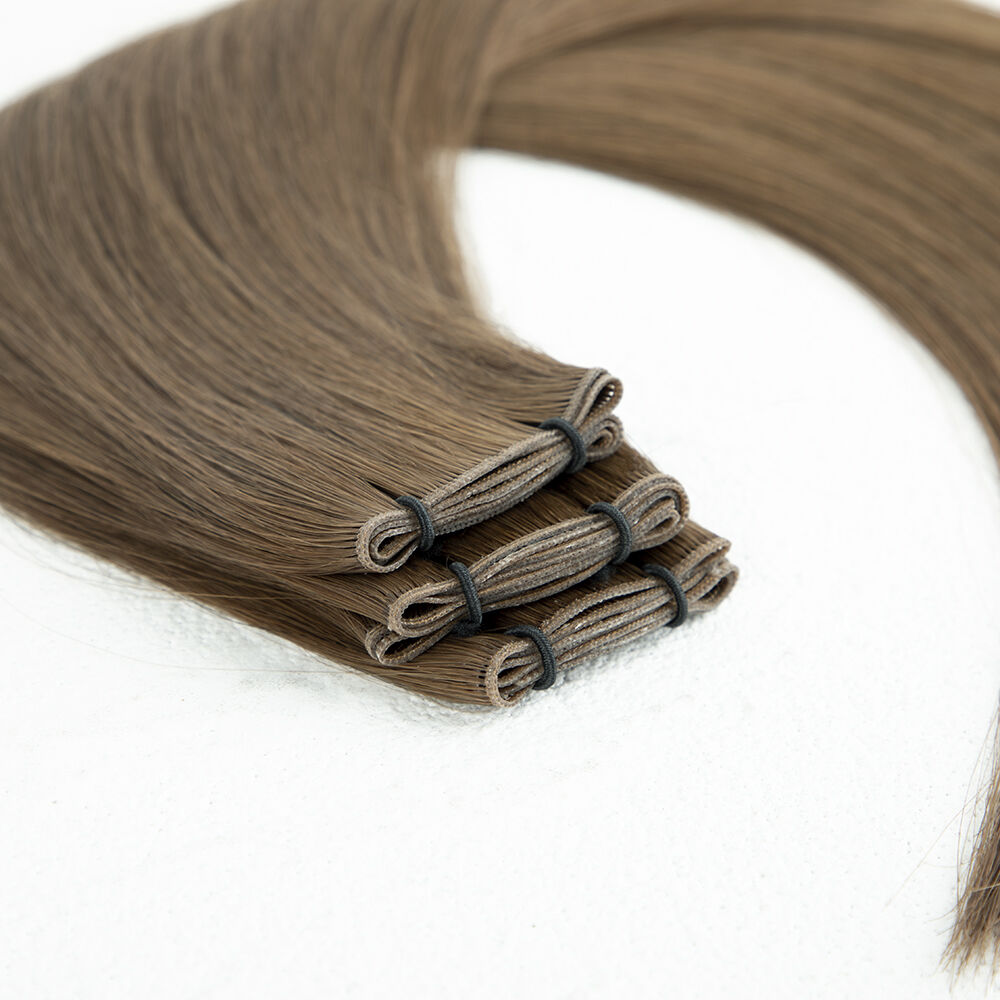
When sourcing premium hair extensions, selecting the right tape hair factory becomes a critical business decision that can significantly impact your product quality, profit margins, and customer satisfaction. China has emerged as the global hub for hair extension manufacturing, hosting numerous facilities that specialize in producing high-quality tape-in hair systems. However, navigating this competitive landscape requires careful evaluation of multiple factors to ensure you partner with a reliable and professional manufacturer. Understanding the key characteristics that distinguish exceptional tape hair factory operations from mediocre ones will empower your business to make informed sourcing decisions and establish long-term partnerships that drive success.
Manufacturing Capabilities and Production Standards
Quality Control Systems and Certifications
A reputable tape hair factory must demonstrate robust quality control systems that encompass every stage of the production process. From raw hair procurement to final packaging, established manufacturers implement comprehensive testing protocols that ensure consistency and reliability. Professional facilities typically maintain ISO certifications and undergo regular audits to validate their quality management systems. These certifications serve as tangible proof of the factory's commitment to maintaining international standards and continuous improvement practices.
Advanced quality control measures include thorough inspection of raw materials, in-process monitoring during various manufacturing stages, and final product testing before shipment. Leading tape hair factory operations employ specialized equipment to assess hair strength, color consistency, adhesive durability, and overall construction integrity. This systematic approach minimizes defect rates and ensures that every batch meets predetermined quality specifications.
Production Capacity and Scalability
Evaluating a tape hair factory's production capacity provides crucial insights into their ability to fulfill your order requirements consistently. Professional manufacturers typically maintain detailed records of their monthly output capabilities and can provide realistic timelines for order completion. Understanding their peak production periods and seasonal fluctuations helps in planning your inventory requirements and avoiding potential supply disruptions.
Scalability becomes particularly important for growing businesses that anticipate increasing order volumes over time. A well-established tape hair factory should demonstrate flexibility in accommodating varying order sizes without compromising quality or delivery schedules. This includes having adequate workforce capacity, equipment redundancy, and raw material supply chains that can adapt to changing demand patterns.
Raw Material Sourcing and Hair Quality
Hair Origin and Ethical Sourcing Practices
The foundation of exceptional tape hair extensions lies in the quality and origin of raw human hair used in production. Professional manufacturers maintain transparent supply chains and can provide detailed information about their hair sourcing practices. Ethical sourcing has become increasingly important in the beauty industry, with consumers demanding assurance that hair is obtained through fair and respectful means.
A reliable tape hair factory should be able to document the geographic origin of their hair supplies and demonstrate compliance with ethical sourcing standards. This includes maintaining relationships with verified suppliers who adhere to fair trade practices and ensuring that all hair collection processes respect donor rights and cultural sensitivities. Transparency in sourcing practices not only reflects the manufacturer's integrity but also helps brands maintain their reputation in increasingly conscious consumer markets.
Hair Processing and Treatment Methods
The processing methods employed by a tape hair factory significantly impact the final product's durability, appearance, and performance. Professional facilities utilize advanced processing techniques that preserve the hair's natural cuticle structure while achieving desired textures and colors. Chemical processing should be minimized to maintain hair integrity, with any treatments carefully controlled to prevent damage or premature degradation.
Understanding the factory's approach to color processing, texture modification, and cuticle alignment provides valuable insights into their technical expertise. Leading manufacturers invest in state-of-the-art equipment and continuously update their processing methods to incorporate the latest industry innovations. They should also maintain detailed records of processing parameters and quality metrics for each batch produced.
Adhesive Technology and Tape Quality
Adhesive Composition and Performance Standards
The adhesive component represents one of the most critical aspects of tape hair extension quality, directly affecting wear duration, removal ease, and scalp comfort. A professional tape hair factory must demonstrate expertise in adhesive technology and maintain relationships with reputable tape suppliers who specialize in hair extension applications. The adhesive should provide strong initial bonding while allowing for clean removal without residue or hair damage.
High-quality tape systems utilize medical-grade adhesives that are hypoallergenic and safe for prolonged skin contact. These adhesives undergo rigorous testing to ensure they maintain their bonding strength under various conditions including humidity, temperature fluctuations, and regular washing. Professional manufacturers should provide detailed specifications about their adhesive systems and demonstrate compliance with relevant safety standards.
Tape Application and Precision Manufacturing
The precision with which tape is applied to hair extensions reflects the manufacturer's attention to detail and production capabilities. Professional tape hair factory operations employ specialized equipment and trained technicians to ensure consistent tape placement and optimal bonding between the adhesive and hair base. This precision directly impacts the extensions' performance and longevity in real-world applications.
Consistent tape width, proper edge sealing, and uniform adhesive distribution are hallmarks of professional manufacturing. Quality manufacturers maintain strict tolerances for these parameters and implement regular inspection procedures to identify and correct any deviations. The ability to produce tape extensions with consistent dimensions and performance characteristics demonstrates the factory's manufacturing maturity and quality control effectiveness.
Customization Capabilities and Service Flexibility
Color Matching and Custom Shade Development
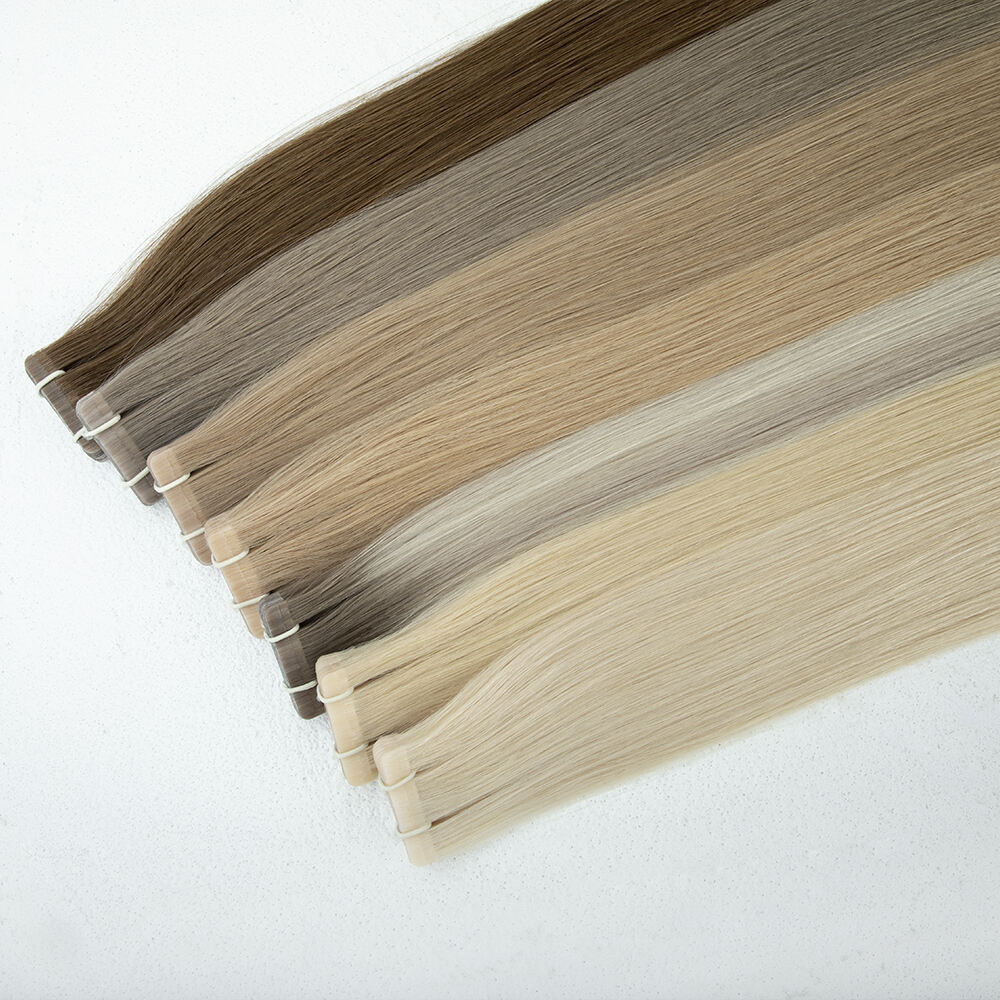
Modern hair extension markets demand extensive color options and precise color matching capabilities. A sophisticated tape hair factory should maintain comprehensive color libraries and demonstrate proficiency in creating custom shades to meet specific client requirements. This capability becomes particularly important for brands serving diverse markets with varying hair color preferences and cultural requirements.
Professional manufacturers invest in advanced color mixing systems and maintain detailed formulation records for reproducibility. They should also provide color matching services using physical samples and digital color communication tools. The ability to achieve consistent color results across multiple production batches reflects the factory's technical competence and quality control systems.
Length and Texture Customization Options
Flexibility in product specifications allows brands to differentiate themselves in competitive markets. A capable tape hair factory should offer various length options, texture variations, and custom cutting services to meet diverse customer preferences. This includes the ability to produce extensions in non-standard lengths and create unique texture combinations that align with specific brand requirements.
Customization capabilities extend beyond basic specifications to include packaging options, labeling services, and private branding opportunities. Professional manufacturers understand that their clients often require comprehensive solutions that go beyond basic product manufacturing. The willingness and ability to accommodate custom requirements while maintaining quality standards demonstrates a factory's commitment to long-term partnership development.
Communication and Customer Support Standards
Language Proficiency and Communication Systems
Effective communication forms the foundation of successful international business relationships, particularly when working with overseas manufacturers. A professional tape hair factory should maintain English-proficient staff members who can handle technical discussions, quality specifications, and complex order requirements. Clear communication channels minimize misunderstandings and ensure that product specifications are accurately interpreted and implemented.
Modern manufacturers utilize various communication platforms including email, video conferencing, and instant messaging systems to maintain regular contact with international clients. They should also provide dedicated account management services and maintain comprehensive order tracking systems that allow clients to monitor production progress and shipment status in real-time.
Sample Development and Approval Processes
The sample development process provides crucial insights into a tape hair factory's capabilities and attention to detail. Professional manufacturers should offer comprehensive sampling services that allow clients to evaluate product quality before placing large orders. This includes providing various color options, length samples, and complete product specifications documentation.
Efficient sample approval processes demonstrate the factory's understanding of time-sensitive business requirements. They should maintain streamlined procedures for sample production, shipping, and revision cycles while ensuring that approved samples accurately represent final production quality. The ability to produce samples quickly and accurately reflects the manufacturer's production capabilities and customer service orientation.
Logistics and Supply Chain Management
Shipping Options and Delivery Reliability
Reliable logistics capabilities are essential for maintaining consistent product availability and meeting customer demands. A professional tape hair factory should offer multiple shipping options and maintain relationships with reputable freight forwarders who specialize in beauty product transportation. They should also provide accurate delivery estimates and proactive communication regarding any potential delays or shipping complications.
Understanding international shipping regulations and documentation requirements demonstrates the manufacturer's experience in global trade. Professional facilities maintain compliance with export regulations and provide proper documentation to facilitate smooth customs clearance. They should also offer various shipping terms and be willing to work with clients' preferred logistics providers when necessary.
Inventory Management and Order Fulfillment
Effective inventory management systems enable tape hair factory operations to maintain consistent product availability and respond quickly to changing market demands. Professional manufacturers implement sophisticated inventory tracking systems that monitor raw material levels, work-in-progress status, and finished goods availability. This visibility allows them to provide accurate delivery commitments and identify potential supply constraints before they impact order fulfillment.
Order fulfillment efficiency directly impacts customer satisfaction and business success. Leading manufacturers maintain streamlined order processing systems that minimize lead times and ensure accurate order completion. They should also provide flexible ordering options including drop-shipping services and customized packaging solutions that align with client requirements.
FAQ
What minimum order quantities should I expect from a professional tape hair factory
Most professional tape hair factory operations require minimum order quantities ranging from 100 to 500 pieces per color and length combination. However, established manufacturers often provide flexibility for new clients or those testing market demand. The minimum order requirement typically reflects the factory's production efficiency and cost structure, with larger quantities generally resulting in better per-unit pricing.
How can I verify the quality standards of a potential tape hair factory partner
Verification should include requesting product samples, reviewing certifications and quality documentation, conducting virtual or in-person facility tours, and checking client references. Professional tape hair factory operations welcome transparency and readily provide evidence of their quality control systems, production capabilities, and client testimonials. Third-party inspections can also provide independent verification of manufacturing standards.
What payment terms are typically offered by established tape hair factory manufacturers
Established manufacturers usually offer flexible payment terms including deposits with balance payments before shipment, letter of credit arrangements, and extended payment terms for long-term clients. New relationships often start with more conservative payment structures, evolving toward more favorable terms as trust and order volume develop. Professional facilities maintain transparent pricing structures and clearly communicate all associated costs upfront.
How important is factory location when selecting a tape hair factory in China
Factory location significantly impacts logistics costs, production capabilities, and access to skilled labor. Major hair extension manufacturing centers in China include Qingdao, Xuchang, and Guangzhou, each offering unique advantages in terms of raw material access, shipping convenience, and industry expertise. Proximity to major ports can reduce shipping costs and transit times, while established manufacturing clusters provide better access to skilled workers and supporting industries.
Table of Contents
- Manufacturing Capabilities and Production Standards
- Raw Material Sourcing and Hair Quality
- Adhesive Technology and Tape Quality
- Customization Capabilities and Service Flexibility
- Communication and Customer Support Standards
- Logistics and Supply Chain Management
-
FAQ
- What minimum order quantities should I expect from a professional tape hair factory
- How can I verify the quality standards of a potential tape hair factory partner
- What payment terms are typically offered by established tape hair factory manufacturers
- How important is factory location when selecting a tape hair factory in China