 EN
EN
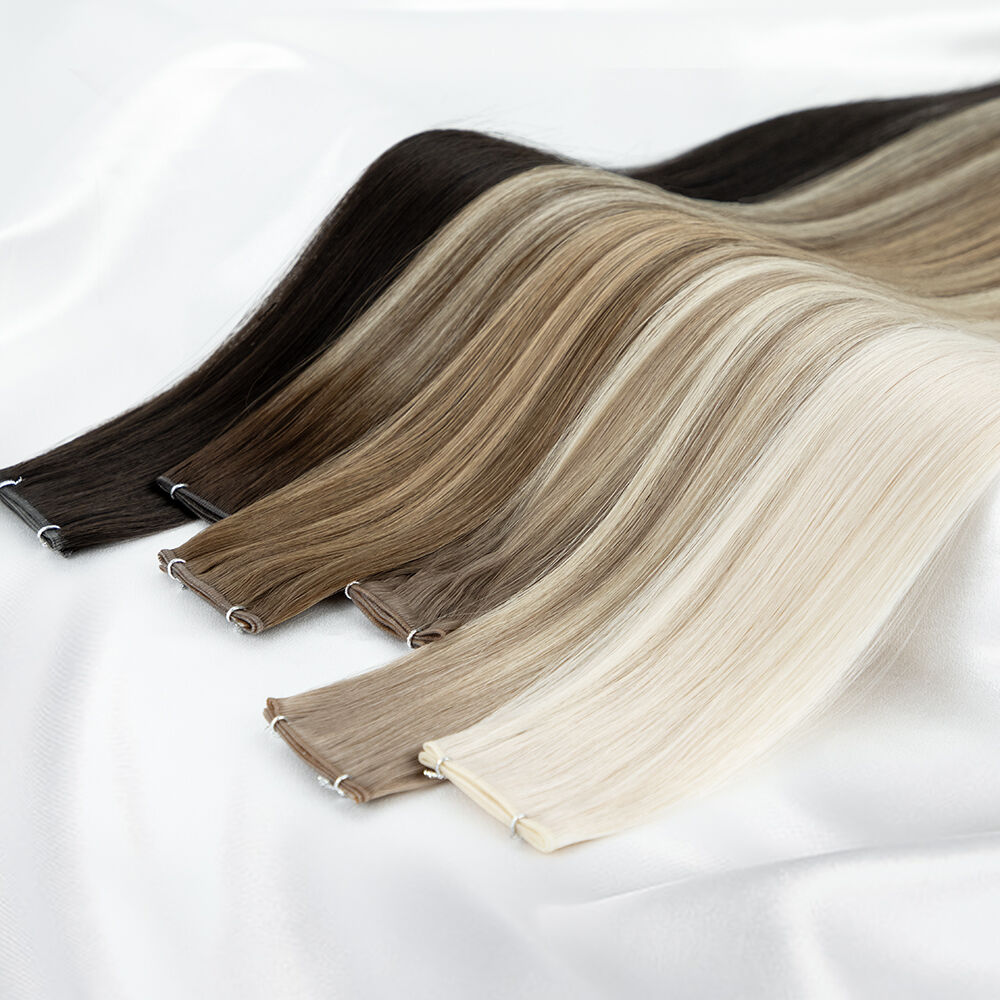
Professional hair extensions have revolutionized the beauty industry, offering clients transformative styling options that can last for months with proper care. Among the most popular keratin-bonded extension methods, I-tip hair extensions and U-tip extensions dominate salon menus worldwide. These semi-permanent solutions use specialized keratin bonds to attach individual strands of premium human hair to natural hair, creating seamless length and volume enhancements. Understanding the fundamental differences between these two application methods is crucial for salon professionals and discerning clients who seek long-lasting, natural-looking results.
Understanding I-Tip Hair Extension Technology
Construction and Design Features
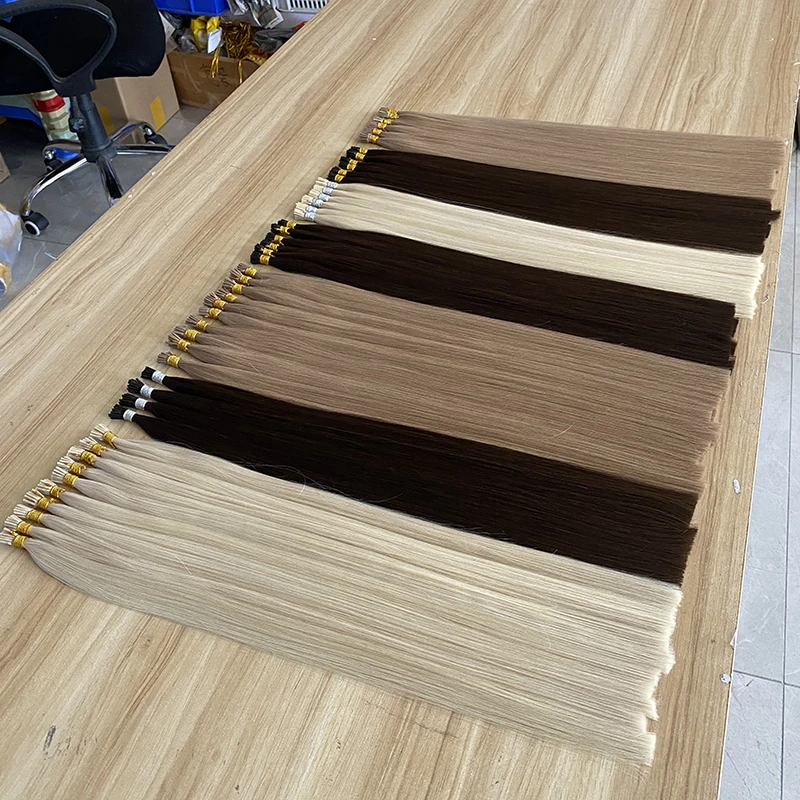
I-tip hair extensions feature a distinctive straight keratin bond at the tip of each strand, resembling the letter "I" in profile. This cylindrical keratin tip contains premium Italian keratin glue that activates under controlled heat during application. The straight design allows for precise placement and creates a streamlined attachment point that lies flat against the scalp. Professional stylists appreciate the consistent bond shape because it ensures uniform heat distribution during installation, resulting in secure attachments that maintain their integrity throughout the wear period.
The keratin formulation in quality I-tip hair extensions undergoes rigorous testing to achieve optimal flexibility and durability. Unlike synthetic adhesives, keratin bonds mimic the natural protein structure of human hair, creating a harmonious connection that moves naturally with the client's hair. This biocompatible material reduces the risk of allergic reactions while providing superior holding power. The straight tip design also facilitates easier removal processes, as technicians can apply controlled heat to soften the bond without creating excessive tension on the natural hair shaft.
Application Methodology and Techniques
The installation process for I-tip hair extensions requires specialized tools including a keratin bond heating iron, sectioning clips, and precision combs. Stylists begin by creating clean horizontal partings approximately one-quarter inch apart, ensuring adequate spacing for proper bond placement. Each I-tip extension is positioned against the natural hair section, approximately one-quarter inch from the scalp to allow for natural hair growth and comfortable movement. The heating tool is then applied to the keratin tip for precisely timed intervals, typically three to five seconds, to achieve optimal bond fusion.
Professional application techniques emphasize the importance of consistent pressure and temperature control throughout the installation process. Experienced stylists develop muscle memory for the precise amount of pressure needed to create secure bonds without damaging the natural hair cuticle. The straight design of I-tip hair extensions allows for easier manipulation during application, reducing installation time and improving overall precision. Quality control during application involves testing each bond immediately after cooling to ensure proper adhesion before proceeding to the next section.
Analyzing U-Tip Hair Extension Characteristics
Structural Design and Bond Formation
U-tip hair extensions utilize a horseshoe-shaped keratin bond that curves around the natural hair shaft during application. This unique design creates a wrap-around connection point that some stylists believe provides enhanced security compared to straight bond alternatives. The curved keratin tip contains the same high-quality adhesive compounds found in professional extensions, but the application process requires different heating techniques and tools. The U-shaped configuration allows the bond to conform more closely to the natural hair's cylindrical shape, potentially creating a more integrated attachment point.
The manufacturing process for U-tip extensions involves precise molding techniques to achieve consistent curve dimensions across each strand. Quality control measures ensure that every U-tip maintains the same curvature radius, which is essential for uniform application results. The horseshoe design theoretically distributes attachment stress across a broader surface area compared to straight tips, potentially reducing pressure points on individual hair strands. However, this design also requires more precise positioning during installation to achieve optimal bond formation and natural movement patterns.
Installation Process and Tool Requirements
U-tip hair extension installation requires specialized plier-style heating tools designed to accommodate the curved bond shape. The application process involves threading the natural hair through the U-shaped opening before applying controlled heat and pressure to fuse the keratin bond. This methodology requires additional precision during positioning, as the stylist must ensure proper alignment of the curved tip with the natural hair direction. The installation process typically takes longer per strand compared to I-tip applications due to the threading requirement and curved bond manipulation.
Professional stylists working with U-tip extensions often develop specialized techniques for efficient threading and positioning. The curved design can make removal more challenging, as the wrapped bond may require additional softening time and careful manipulation to avoid hair damage. Some practitioners report that U-tip bonds can create slight crimping effects on natural hair during the removal process, though proper technique and adequate heat application typically minimize these concerns. The specialized tools required for U-tip application represent an additional investment for salons compared to standard heating irons used for I-tip hair extensions.
Performance Comparison for Long-Term Wear
Durability and Longevity Factors
Long-term performance evaluation reveals distinct advantages for I-tip hair extensions in professional salon environments. The straight bond design experiences less stress concentration during daily styling activities, resulting in more consistent bond integrity over extended wear periods. Client feedback consistently indicates that I-tip hair extensions maintain their original appearance longer, with fewer instances of bond loosening or visible wear patterns. The streamlined profile of I-tip bonds creates less friction against clothing and pillowcases during sleep, contributing to extended wearability and reduced maintenance requirements.
Durability testing conducted by professional extension manufacturers demonstrates that I-tip hair extensions typically maintain secure attachment for twelve to sixteen weeks under normal styling conditions. The straight keratin bond responds predictably to temperature changes and humidity fluctuations, maintaining consistent performance across diverse climate conditions. Quality I-tip hair extensions also demonstrate superior color retention and texture consistency throughout the wear period, as the streamlined bond design creates less stress on the hair shaft during daily manipulation and styling activities.
Maintenance Requirements and Client Experience
Daily maintenance routines for I-tip hair extensions prove more straightforward for clients compared to U-tip alternatives. The smooth, straight bond profile glides easily through brushing and combing motions, reducing tangling incidents and minimizing hair breakage during routine care. Professional stylists report fewer callback appointments for bond adjustments or emergency repairs when clients choose I-tip hair extensions over curved bond alternatives. The consistent bond shape also facilitates more predictable styling results, as heat styling tools interact uniformly with the straight keratin attachments.
Client satisfaction surveys consistently rank I-tip hair extensions higher for comfort and ease of management during extended wear periods. The straight bond design creates minimal scalp awareness, allowing clients to forget they are wearing extensions during normal activities. Sleep comfort ratings also favor I-tip hair extensions, as the streamlined bonds create fewer pressure points against pillows and reduce hair displacement during rest periods. Professional colorists find I-tip hair extensions easier to work around during root touch-ups and color services, as the straight bonds provide clearer access to natural hair sections.
Economic Considerations for Salon Operations
Cost Analysis and Profit Margins
Economic analysis reveals significant advantages for salons investing in I-tip hair extension services over U-tip alternatives. The streamlined installation process reduces labor time per client, allowing stylists to serve more customers daily while maintaining service quality standards. Professional timing studies indicate that I-tip hair extensions require approximately twenty percent less installation time compared to U-tip applications, directly impacting salon profitability and appointment scheduling efficiency. The consistent bond shape also reduces product waste, as stylists experience fewer application errors requiring strand replacement.
Initial equipment investments favor I-tip hair extension services, as standard heating irons cost significantly less than specialized U-tip plier tools. Training requirements also prove more manageable for new stylists learning I-tip application techniques, reducing education costs and accelerating skill development timelines. Inventory management benefits from the simpler bond design, as I-tip hair extensions demonstrate longer shelf life and reduced storage complexity compared to curved bond alternatives. These economic factors contribute to improved profit margins and operational efficiency for forward-thinking salon businesses.
Client Retention and Service Expansion
Long-term client relationships strengthen when salons specialize in I-tip hair extension services due to superior performance outcomes and client satisfaction rates. The extended wearability of I-tip hair extensions creates predictable appointment cycles, facilitating better scheduling management and revenue forecasting. Satisfied clients become powerful marketing advocates, generating referral business that drives organic growth without additional advertising investments. The professional appearance and natural movement of quality I-tip hair extensions also attract discerning clientele willing to invest in premium services.
Service expansion opportunities multiply when salons establish expertise in I-tip hair extension applications. The versatile bond design accommodates various hair textures and styling preferences, allowing stylists to serve diverse client demographics with confidence. Advanced certification programs for I-tip hair extensions often provide more comprehensive training modules and ongoing support compared to alternative methods. These educational resources enable salons to position themselves as premium extension specialists, commanding higher service fees and attracting clients seeking expert-level installation and maintenance services.
Professional Installation Best Practices
Pre-Application Assessment and Preparation
Successful I-tip hair extension installations begin with comprehensive client consultations that evaluate natural hair condition, lifestyle factors, and styling expectations. Professional assessment protocols examine hair density, texture, and growth patterns to determine optimal placement strategies for achieving natural-looking results. Scalp health evaluation ensures that clients possess adequate hair strength to support extension weight without experiencing discomfort or damage. Pre-application hair washing with clarifying shampoo removes product buildup and natural oils that could interfere with proper keratin bond adhesion.
Color matching expertise becomes crucial during the preparation phase, as I-tip hair extensions require precise shade coordination to achieve seamless integration with natural hair. Professional colorists often blend multiple extension shades to replicate the subtle variations found in natural hair color patterns. Hair texture analysis determines the appropriate extension grade and processing level needed to match the client's natural hair characteristics. Documentation of all assessment findings ensures consistent results during future maintenance appointments and facilitates effective communication between salon team members.
Application Precision and Quality Control
Precision application techniques separate professional I-tip hair extension installations from amateur attempts that often result in visible bonds or uncomfortable wear experiences. Master stylists develop systematic approaches to section mapping that ensure balanced weight distribution and natural hair movement patterns. Temperature control becomes critical during the bonding process, as excessive heat can damage both natural hair and extension strands, while insufficient heat results in weak bonds that fail prematurely.
Quality control measures throughout the application process include bond strength testing, visual inspection for proper alignment, and movement assessment to ensure natural hair flow. Professional installations incorporate strategic placement techniques that account for the client's preferred parting patterns and styling preferences. Each completed section undergoes thorough evaluation before proceeding to adjacent areas, preventing compound errors that could compromise the overall installation quality. Post-application styling and final inspection confirm that all I-tip hair extensions integrate seamlessly with the client's natural hair texture and color.
Maintenance Protocols and Client Education
Daily Care Routines and Product Recommendations
Proper maintenance education ensures that clients maximize the lifespan and appearance quality of their I-tip hair extensions investment. Professional stylists provide detailed instructions for daily brushing techniques that minimize stress on keratin bonds while maintaining smooth, tangle-free hair texture. Specialized extension brushes with widely spaced bristles prove essential for gentle detangling without creating excessive tension on attachment points. Clients learn to begin brushing from mid-length sections, gradually working toward the scalp to avoid bond disruption during routine grooming activities.
Product selection guidance emphasizes sulfate-free shampoos and lightweight conditioning formulas that cleanse effectively without compromising keratin bond integrity. Heat protection sprays become mandatory for clients who frequently use styling tools, as thermal damage can weaken both natural hair and I-tip hair extensions over time. Professional-grade extension care products often contain specialized ingredients that nourish keratin bonds while maintaining hair flexibility and natural movement patterns. Client education includes proper application techniques for these specialized products to ensure maximum effectiveness and bond longevity.
Professional Maintenance Schedules and Services
Structured maintenance schedules maximize the performance and appearance of I-tip hair extensions throughout their intended wear period. Professional maintenance appointments typically occur every four to six weeks, allowing stylists to assess bond condition, perform necessary adjustments, and address any client concerns. These appointments include thorough cleansing with professional products, bond inspection for signs of loosening or wear, and repositioning of any extensions that may have shifted during the wear period.
Advanced maintenance services may include bond reinforcement treatments, color refreshing, and texture optimization to maintain seamless integration with evolving natural hair conditions. Professional stylists document the condition of each extension section during maintenance appointments, creating detailed records that inform future service decisions and replacement timing. Client communication during these appointments provides valuable feedback regarding comfort levels, styling satisfaction, and any adjustment needs that could enhance the overall extension experience. Regular maintenance schedules also provide opportunities for stylists to introduce clients to new extension options or complementary services that could enhance their overall hair goals.
FAQ
How long do I-tip hair extensions typically last compared to U-tip extensions
I-tip hair extensions generally provide superior longevity compared to U-tip alternatives, typically lasting twelve to sixteen weeks under normal styling conditions. The straight bond design experiences less stress concentration during daily activities, resulting in more consistent bond integrity over extended wear periods. U-tip extensions may require more frequent maintenance appointments due to the curved bond design, which can experience uneven stress distribution during brushing and styling activities. Professional stylists often recommend I-tip hair extensions for clients seeking maximum wear duration and minimal maintenance requirements.
What is the cost difference between I-tip and U-tip hair extension services
I-tip hair extension services typically cost slightly less than U-tip alternatives due to reduced installation time and simpler tool requirements. The streamlined application process for I-tip hair extensions allows stylists to complete installations more efficiently, often passing some labor savings to clients through competitive pricing. Equipment costs also favor I-tip services, as standard heating irons cost significantly less than specialized U-tip plier tools required for curved bond applications. However, the superior longevity of I-tip hair extensions often provides better overall value despite similar initial service costs.
Can I-tip hair extensions be reused after removal
High-quality I-tip hair extensions can often be reused following professional removal and reconditioning services. The straight keratin bond design facilitates cleaner removal processes compared to curved alternatives, preserving more of the original hair strand length and quality. Professional reconditioning involves removing residual keratin, deep conditioning treatments, and application of fresh keratin tips. However, reuse success depends on the original hair quality, wear duration, and removal technique employed by the stylist. Premium double-drawn remy hair typically provides the best reuse potential.
Are I-tip hair extensions suitable for all hair types and textures
I-tip hair extensions accommodate a wide variety of natural hair types and textures when properly selected and applied by experienced professionals. The versatile bond design works effectively with straight, wavy, and curly hair patterns, provided that appropriate extension texture matching occurs during the selection process. Fine hair clients may require special consideration regarding weight distribution and bond placement to prevent stress on natural hair. Coarse or thick hair typically provides excellent support for I-tip hair extensions, allowing for dramatic length and volume enhancements without compromising natural hair health.