 EN
EN
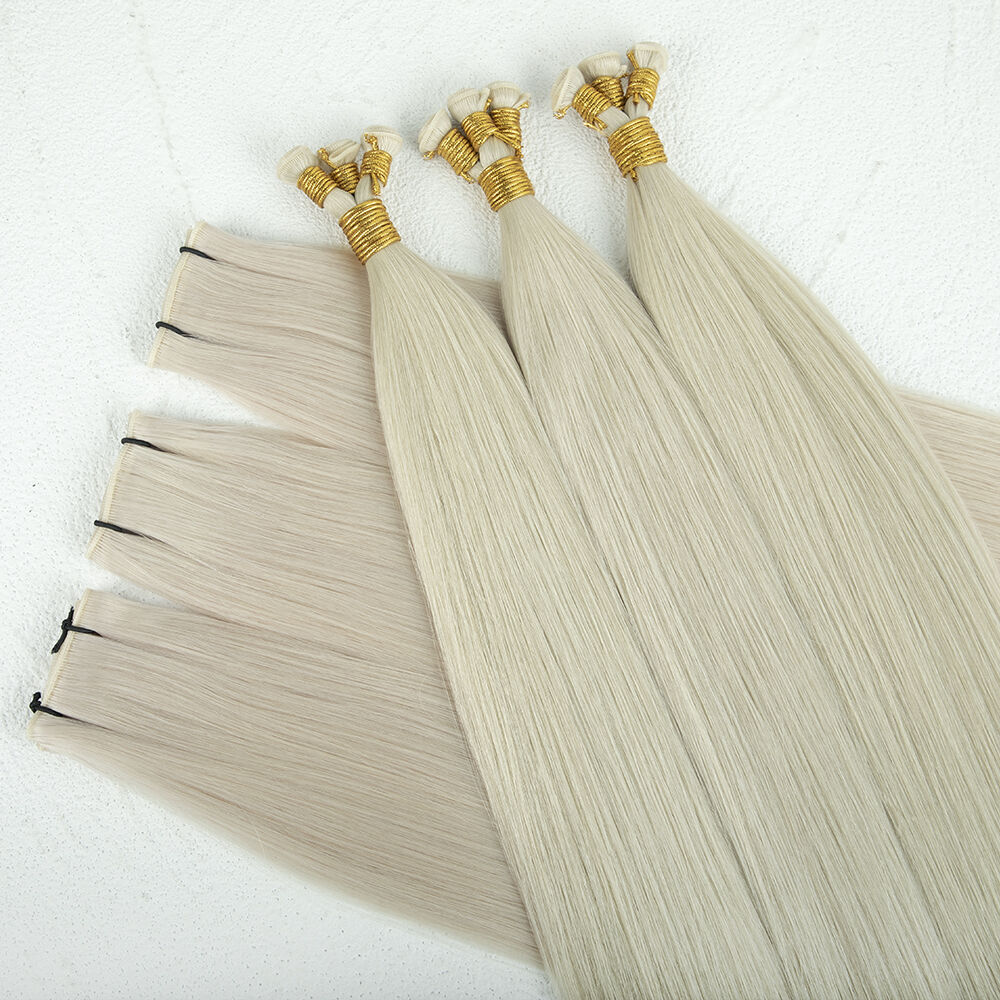
Achieving a seamless blend between weft hair extensions human hair and your natural texture requires understanding the fundamental principles of color matching, texture compatibility, and proper installation techniques. Professional stylists emphasize that the key to undetectable extensions lies in selecting the right type of human hair wefts that complement your natural hair's unique characteristics. The process involves careful consideration of factors including hair density, natural curl pattern, and the underlying tones present in your existing hair color.
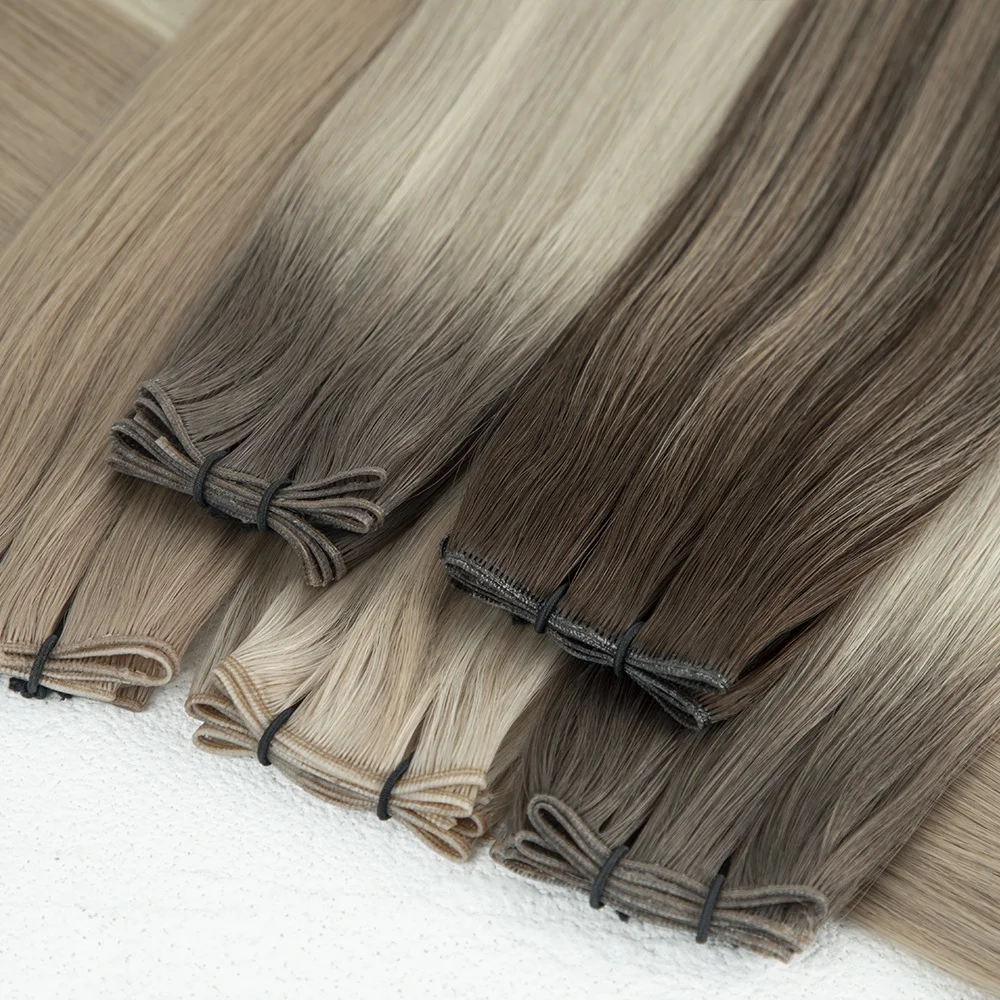
Modern weft hair extensions human hair technology has evolved significantly, offering clients unprecedented options for customization and natural integration. The quality of human hair used in weft construction directly impacts how well the extensions will blend with natural textures over time. Premium grade human hair maintains its natural properties, allowing for heat styling and color treatments that help achieve perfect harmony between extension and natural hair sections.
Understanding Hair Texture Compatibility
Analyzing Natural Hair Structure
Before selecting weft hair extensions human hair, conducting a thorough analysis of your natural hair structure becomes essential for achieving optimal results. Hair texture analysis involves examining the diameter of individual hair strands, natural curl patterns, and the overall density distribution across your scalp. Professional colorists recommend using a magnifying tool to observe the hair cuticle pattern, which affects how light reflects off the hair surface and influences the final appearance when extensions are integrated.
The porosity level of your natural hair significantly impacts how weft hair extensions human hair will behave when styled together. Low porosity hair tends to resist moisture and styling products, while high porosity hair absorbs treatments more readily. Understanding these characteristics allows for better product selection and styling technique adjustments that ensure both natural and extension hair respond similarly to treatments and environmental conditions.
Matching Curl Patterns Effectively
Curl pattern matching represents one of the most critical aspects of blending weft hair extensions human hair with natural textures. The industry standard classification system ranges from straight to tightly coiled patterns, with numerous subcategories that address subtle variations in curl formation. Successful blending requires selecting extensions that either perfectly match your natural pattern or can be easily manipulated to achieve the desired consistency.
Professional installation techniques often involve strategic placement of weft hair extensions human hair to work with natural growth patterns and cowlicks. Experienced stylists understand that hair doesn't grow uniformly across the scalp, and they position wefts to complement these natural variations rather than fighting against them. This approach results in more natural movement and reduces the likelihood of visible demarcation lines between extension and natural hair sections.
Color Matching Strategies for Seamless Integration
Professional Color Assessment Techniques
Accurate color matching for weft hair extensions human hair requires evaluation under multiple lighting conditions to account for how colors appear throughout different times of day. Professional colorists use standardized color rings and digital color matching systems to identify the primary base color, underlying tones, and any highlight or lowlight variations present in natural hair. This comprehensive assessment ensures that selected extensions will maintain their seamless appearance across various environmental lighting situations.
The complexity of human hair color often necessitates custom blending techniques when working with weft hair extensions human hair. Many individuals possess multiple tones within their natural hair color, including subtle variations that become more apparent under direct sunlight or indoor fluorescent lighting. Advanced color matching protocols involve identifying these nuanced differences and selecting extension colors that complement the overall color story rather than attempting to match a single dominant shade.
Advanced Blending Techniques
Creating natural-looking transitions between weft hair extensions human hair and existing hair often requires strategic color placement and blending techniques. Professional colorists frequently employ lowlighting and highlighting methods to create seamless transitions at the attachment points where extensions meet natural hair. These techniques help break up any potential lines of demarcation and create the illusion of natural color variation throughout the entire hair length.
Temperature-controlled styling tools play a crucial role in maintaining color consistency between weft hair extensions human hair and natural hair sections. Different hair sources may respond differently to heat styling, potentially creating color variations that weren't apparent during the initial color matching process. Understanding these thermal response characteristics allows stylists to develop customized styling protocols that maintain color harmony throughout the styling process.
Installation Methods for Natural Integration
Strategic Placement Considerations
The positioning of weft hair extensions human hair significantly influences the final appearance and how successfully the extensions integrate with natural textures. Strategic placement involves understanding the natural fall and movement patterns of your existing hair, then positioning wefts to enhance rather than disrupt these natural characteristics. Professional stylists consider factors including face shape, lifestyle requirements, and daily styling preferences when determining optimal weft placement locations.
Sectioning techniques for weft hair extensions human hair installation require precise measurement and consistent spacing to achieve uniform density distribution. Irregular spacing can create areas of obvious thickness variation that compromise the natural appearance of the final result. Advanced installation methods involve creating graduated layers that allow weft hair extensions human hair to blend seamlessly with the natural hair's existing layered structure.
Attachment Security and Comfort
Modern attachment methods for weft hair extensions human hair prioritize both security and comfort to ensure long-term wearability without compromising natural hair health. Professional installation techniques distribute the weight of extensions evenly across multiple attachment points, preventing excessive tension on any single area of the scalp. This approach minimizes the risk of traction damage while maintaining the secure attachment necessary for confident daily wear.
The selection of appropriate attachment hardware for weft hair extensions human hair depends on individual hair texture, density, and lifestyle factors. Fine hair textures may require specialized micro-attachment systems that provide adequate security without creating visible bulk at the attachment points. Conversely, coarser hair textures can accommodate larger attachment systems that offer enhanced durability for active lifestyles or frequent styling manipulation.
Styling Techniques for Unified Appearance
Heat Styling Coordination
Coordinated heat styling represents a fundamental aspect of maintaining seamless integration between weft hair extensions human hair and natural textures. Different hair sources may exhibit varying responses to temperature changes, requiring adjusted styling techniques to achieve uniform results across all hair sections. Professional stylists recommend establishing baseline temperature settings that work effectively for both extension and natural hair, then making fine adjustments based on individual hair characteristics.
The thermal memory properties of weft hair extensions human hair can differ significantly from natural hair, affecting how styles hold and how the hair behaves throughout the day. Understanding these differences allows for strategic styling approach modifications that account for varying hold capabilities and texture responses. Advanced styling techniques often involve treating extension and natural hair sections with complementary products that help unify their behavioral characteristics.
Product Application Strategies
Uniform product distribution across both weft hair extensions human hair and natural sections ensures consistent styling results and helps maintain the integrated appearance throughout daily activities. Different hair sources may exhibit varying absorption rates for styling products, requiring adjusted application techniques to achieve balanced coverage. Professional stylists often recommend using lighter product concentrations on extension hair while applying slightly heavier coverage to natural hair sections to compensate for these absorption differences.
The compatibility between styling products and weft hair extensions human hair affects both immediate styling results and long-term extension longevity. Certain product formulations may interact differently with processed extension hair compared to natural hair, potentially creating texture or appearance inconsistencies over time. Selecting products specifically formulated for use with human hair extensions helps maintain the quality and appearance of both extension and natural hair sections.
Maintenance Protocols for Long-Term Success
Regular Care Routines
Establishing consistent maintenance routines for weft hair extensions human hair ensures the longevity of both the extensions and the natural hair they're attached to. Regular care protocols involve gentle cleansing techniques that effectively clean both hair types without compromising the attachment integrity or causing unnecessary tangling. Professional-grade products designed specifically for extension care help maintain the quality and appearance of weft hair extensions human hair while supporting natural hair health.
The frequency of maintenance appointments for weft hair extensions human hair depends on individual hair growth rates, lifestyle factors, and the specific installation method used. Regular professional maintenance allows for timely adjustments to account for natural hair growth and helps identify any potential issues before they become problematic. These appointments also provide opportunities for professional deep conditioning treatments that benefit both extension and natural hair sections.
Troubleshooting Common Issues
Common integration challenges with weft hair extensions human hair often involve texture changes over time, color fading inconsistencies, or attachment loosening that affects the overall appearance. Early identification of these issues allows for prompt corrective measures that prevent more significant problems from developing. Professional stylists recommend regular self-assessment techniques that help clients identify potential concerns between scheduled maintenance appointments.
Environmental factors can significantly impact the performance of weft hair extensions human hair, particularly in regions with high humidity, extreme temperatures, or significant air pollution levels. Understanding these environmental influences allows for proactive protection strategies that help maintain the quality and appearance of extensions over extended periods. Protective styling techniques and environmental barrier products can significantly extend the lifespan and appearance quality of weft hair extensions human hair installations.
FAQ
How long do weft hair extensions human hair typically last with proper care
High-quality weft hair extensions human hair can last anywhere from three to six months with proper care and maintenance routines. The longevity depends on factors including the grade of human hair used, installation method, daily styling habits, and adherence to recommended care protocols. Premium grade extensions often maintain their quality and appearance for longer periods, especially when protected from excessive heat styling and environmental damage.
Can weft hair extensions human hair be colored to match natural hair perfectly
Yes, weft hair extensions human hair can typically be colored using professional hair color products, though the process should always be performed by experienced colorists familiar with extension hair. The coloring process may differ slightly from natural hair due to previous processing, and multiple sessions might be necessary to achieve perfect color matching. It's important to perform strand tests before applying color to entire weft sections to ensure desired results.
What hair textures work best with weft hair extensions human hair
Weft hair extensions human hair work effectively with most natural hair textures, from straight to curly patterns. The key is selecting extensions that closely match your natural texture or choosing versatile textures that can be styled to complement your natural hair. Medium to thick hair densities typically provide the best foundation for weft installations, though fine hair can also accommodate extensions with proper technique and appropriate weft selection.
How often should weft hair extensions human hair be professionally maintained
Professional maintenance for weft hair extensions human hair should typically occur every six to eight weeks, depending on natural hair growth rates and individual lifestyle factors. These appointments allow for repositioning of wefts as natural hair grows, tightening of any loosened attachments, and professional conditioning treatments. Regular maintenance significantly extends the life of extensions and helps maintain their natural appearance throughout the wear period.