 EN
EN
Professional salons and beauty supply distributors consistently seek durable, high-quality hair extension solutions that deliver exceptional client satisfaction while maximizing profit margins. Tip hair extensions have emerged as a cornerstone product category in the B2B salon equipment supply market, offering superior longevity, versatile application methods, and reliable performance across diverse client demographics. Understanding the specific characteristics that define long-lasting tip hair extensions empowers wholesale buyers, salon owners, and distribution partners to make informed purchasing decisions that strengthen their competitive positioning and enhance service quality standards.
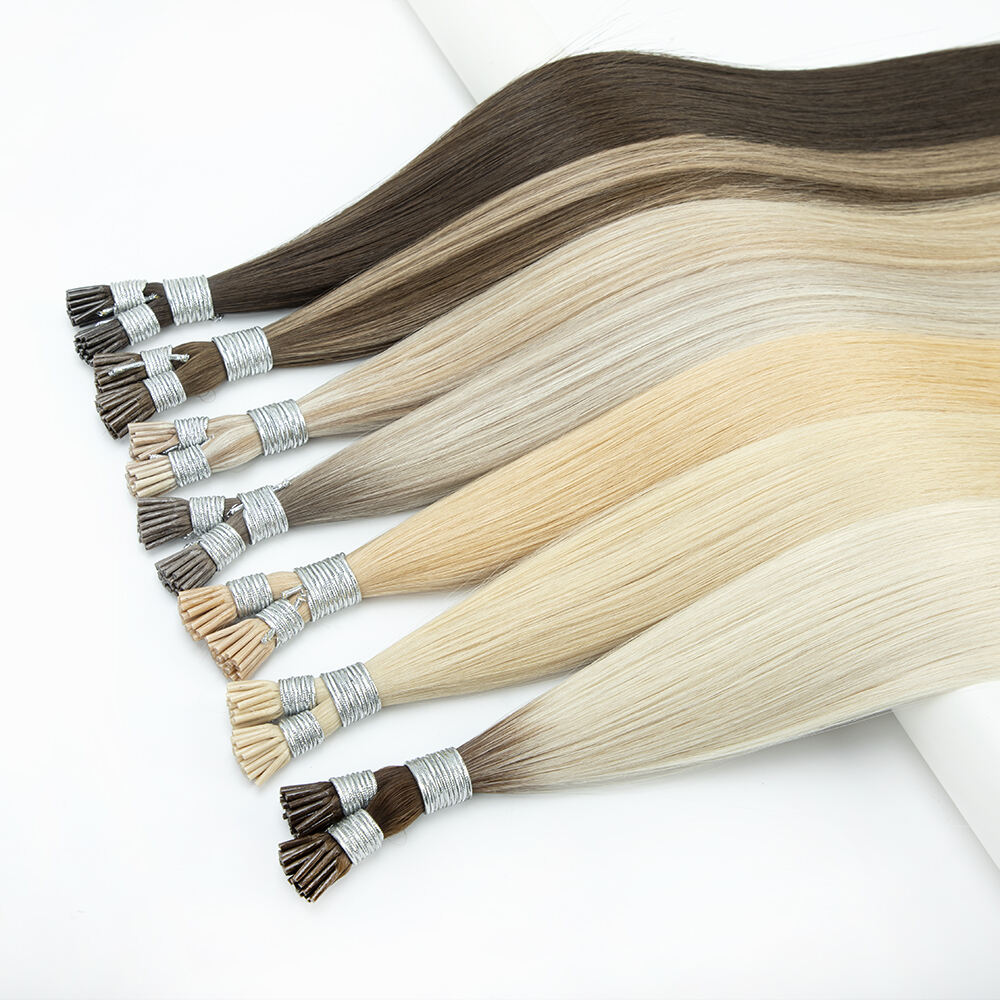
The commercial viability of tip hair extensions in wholesale salon supply channels depends critically on durability factors that directly impact client retention, service reputation, and operational efficiency. Long-lasting tip hair extensions reduce replacement frequency, minimize client complaints, and support higher service pricing structures that benefit both salon operators and their supply partners. This comprehensive analysis explores the essential quality indicators, material specifications, manufacturing standards, and selection criteria that distinguish premium long-lasting tip hair extensions from inferior alternatives in the professional beauty supply marketplace.
Material Composition and Quality Standards for Durable Tip Hair Extensions
Premium Human Hair Sourcing and Processing Methods
The foundation of long-lasting tip hair extensions begins with ethically sourced, premium-grade human hair that undergoes minimal chemical processing to preserve natural structural integrity. Remy hair, characterized by intact cuticle layers aligned in a unidirectional pattern, represents the optimal material choice for professional-grade tip hair extensions intended for B2B salon supply applications. This cuticle alignment prevents tangling, maintains natural shine, and extends wearable lifespan significantly beyond non-Remy alternatives that experience rapid degradation through friction and environmental exposure.
Advanced processing techniques employed by reputable manufacturers preserve the hair's natural protein bonds while removing impurities and standardizing color tones without compromising fiber strength. Double-drawn hair, where shorter strands are manually removed to create uniform length from root to tip, enhances the premium appearance and durability of tip hair extensions by eliminating weak shorter fibers prone to breakage. B2B buyers should prioritize suppliers who provide transparent documentation regarding hair origin, processing methods, and quality control protocols to ensure consistent product performance across bulk orders.
Keratin Bonding Technology and Attachment Durability
The keratin tips that characterize this extension category utilize protein-based bonding compounds engineered to withstand thermal fusion processes while maintaining flexible, secure attachment to natural hair strands. High-quality tip hair extensions feature Italian or German keratin formulations that offer superior heat resistance, preventing premature bond degradation during styling with thermal tools. The molecular structure of premium keratin bonds creates stronger intermolecular connections that resist mechanical stress from brushing, washing, and sleeping movements that commonly compromise inferior bonding systems.
Professional-grade tip hair extensions designed for long-term wear incorporate keratin tips with optimized melting temperatures between 165-185 degrees Celsius, allowing controlled fusion without damaging natural hair or creating brittle bonds susceptible to breakage. The tip size, shape, and keratin density directly influence attachment security and comfort, with U-shaped and I-shaped tips offering distinct advantages for different hair types and application techniques. B2B suppliers should evaluate keratin quality through accelerated wear testing that simulates three to six months of typical use, measuring bond integrity, color stability, and attachment strength under standardized conditions.
Color Fastness and Chemical Resistance Properties
Long-lasting tip hair extensions maintain consistent color appearance throughout their wearable lifespan, resisting fading from ultraviolet exposure, chlorine contact, and repeated shampooing with various chemical formulations. Premium manufacturers employ acid dyes or oxidative coloring processes that penetrate the hair cortex rather than coating the cuticle surface, creating permanent color integration that withstands environmental challenges. Color fastness testing according to ISO 105 standards provides quantifiable metrics for evaluating fade resistance under simulated sunlight, water immersion, and chemical exposure scenarios relevant to salon environments.
The chemical resistance of tip hair extensions determines their compatibility with professional salon treatments including keratin smoothing, permanent waving, and color services that clients may request after installation. Extensions manufactured from virgin human hair demonstrate superior chemical tolerance compared to previously processed hair, maintaining structural integrity when exposed to alkaline relaxers, acidic toners, and oxidative bleaching agents within reasonable concentration limits. B2B buyers serving full-service salons should prioritize tip hair extensions that support comprehensive treatment menus without requiring premature removal or replacement.
Manufacturing Excellence and Quality Control Systems
Production Standards and Certification Requirements
Reputable manufacturers of long-lasting tip hair extensions implement comprehensive quality management systems aligned with international standards such as ISO 9001, ensuring consistent output across production batches and minimizing defect rates that impact B2B customer satisfaction. Advanced manufacturing facilities utilize climate-controlled environments that regulate temperature and humidity during processing stages, preventing moisture-related damage and maintaining hair elasticity throughout production workflows. Automated sorting systems combined with manual quality inspection stages identify and eliminate substandard strands before assembly, protecting brand reputation and reducing return rates for wholesale buyers.
Third-party testing and certification from independent laboratories provide objective verification of product claims regarding hair origin, chemical content, and performance characteristics. Certificates of analysis documenting formaldehyde levels, heavy metal content, and microbial contamination demonstrate manufacturer commitment to health safety standards increasingly important in regulated markets. B2B procurement managers should establish supplier qualification processes that require documentation of manufacturing capabilities, quality certifications, and audit results before initiating large-volume purchase agreements for tip hair extensions.
Consistency Across Production Batches
Maintaining uniform quality across sequential production runs represents a critical challenge in tip hair extensions manufacturing, directly impacting wholesale customer confidence and operational efficiency. Advanced color matching systems utilizing spectrophotometric analysis ensure that tip hair extensions ordered at different times maintain consistent appearance when installed side-by-side in client applications. Batch tracking systems with unique lot identifiers enable traceability throughout supply chains, facilitating rapid response to quality issues and supporting warranty claim processing for B2B customers.
Standardized quality control protocols measure critical parameters including hair weight per bundle, tip formation precision, cuticle integrity percentage, and tensile strength across representative samples from each production batch. Statistical process control methodologies identify trend variations before they result in non-conforming product reaching distribution channels, protecting both manufacturer reputation and customer relationships. B2B buyers should request batch consistency data spanning multiple production cycles when evaluating potential tip hair extensions suppliers, assessing variability metrics that predict long-term supply reliability.
Packaging and Preservation Technologies
Professional-grade packaging systems protect tip hair extensions from environmental degradation during storage and transportation, preserving product quality from manufacturing facility to final salon application. Moisture-barrier films combined with desiccant packets prevent humidity absorption that causes hair swelling, cuticle lifting, and accelerated degradation in warehouse environments. Individual strand organization within packages prevents tangling during handling, reducing preparation time and product waste when stylists access extensions for client services.
Temperature-stable packaging materials prevent keratin tip deformation during shipping through climate extremes, particularly relevant for international distribution networks serving diverse geographical markets. Protective packaging that shields tip hair extensions from ultraviolet radiation preserves color integrity during retail display periods before professional application. B2B suppliers should evaluate packaging quality as an integral component of overall product assessment, recognizing that inadequate protection undermines even superior manufacturing quality through preventable storage damage.
Application Techniques and Professional Installation Standards
Fusion Methods and Equipment Requirements
Professional installation of tip hair extensions requires specialized thermal fusion equipment that precisely controls temperature application, ensuring secure keratin bonds without thermal damage to natural hair or extension fibers. Hot fusion systems utilizing electrically heated connectors offer temperature stability advantages over flame-based tools, reducing variability in bond formation and improving attachment consistency across individual strands. Advanced fusion systems incorporate temperature monitoring displays and automatic shut-off features that prevent overheating scenarios leading to brittle bonds or hair damage.
Cold fusion techniques employing ultrasonic bonding technology represent emerging alternatives that eliminate thermal stress entirely, appealing to clients with fine or chemically treated hair requiring gentler attachment methods. The selection between hot and cold fusion approaches influences the long-term durability of tip hair extensions, with each method offering distinct advantages depending on natural hair characteristics and client lifestyle factors. B2B training programs should equip salon professionals with competency across multiple installation techniques, maximizing service flexibility and client satisfaction outcomes.
Strand Placement and Density Optimization
Strategic placement of tip hair extensions throughout the scalp follows sectioning patterns that distribute mechanical stress evenly, preventing concentrated tension that accelerates natural hair damage and bond failure. Professional placement protocols maintain appropriate distances between individual extensions, typically 1-2 centimeters, allowing adequate space for natural hair movement and preventing matting that compromises wearable duration. Density calculations based on natural hair thickness ensure that tip hair extensions achieve desired volume enhancement without overloading follicles or creating visible attachment points.
Advanced placement techniques consider hair growth patterns, cowlick locations, and styling preferences to position tip hair extensions where they provide maximum aesthetic benefit while minimizing mechanical stress during daily activities. Graduated density strategies place fewer extensions in fragile perimeter zones while concentrating additions in stronger interior sections capable of supporting greater weight. B2B education resources should emphasize placement precision as equally important as product quality in achieving long-lasting results that justify premium service pricing.
Client Consultation and Expectation Management
Thorough pre-service consultations establish realistic expectations regarding tip hair extensions longevity, maintenance requirements, and lifestyle compatibility, reducing premature removal requests and enhancing client satisfaction. Professional assessment of natural hair health, texture, and growth rate informs customized service plans that optimize extension performance for individual circumstances. Transparent communication regarding factors affecting durability, including maintenance compliance and styling habits, empowers clients to make informed decisions supporting successful outcomes.
Documentation of pre-existing hair conditions, installation details, and maintenance instructions creates reference resources that support consistent care between salon visits and facilitate troubleshooting if issues arise. Photographic records of initial installation establish baseline appearance for evaluating color retention and overall condition during subsequent maintenance appointments. B2B salon partners should implement standardized consultation protocols that enhance service professionalism while gathering data supporting continuous quality improvement initiatives.
Maintenance Protocols and Longevity Optimization Strategies
Professional Maintenance Services and Adjustment Procedures
Scheduled maintenance appointments at four to eight week intervals enable professional assessment of tip hair extensions condition, repositioning of loosened bonds, and removal of accumulated product buildup that accelerates degradation. Professional maintenance extends wearable lifespan by addressing minor issues before they escalate into problems requiring complete removal and reinstallation. Specialized maintenance tools including keratin removal pliers and bond conditioning treatments support efficient service delivery while minimizing damage to reusable extensions and natural hair.
Move-up services that reposition tip hair extensions as natural hair grows maintain optimal aesthetic appearance and prevent tangling near scalp areas where new growth creates distance from original attachment points. The economic advantages of professional maintenance programs benefit both salons through recurring revenue generation and clients through extended value from initial extension investments. B2B suppliers supporting salon partners with maintenance training resources and specialized products strengthen customer relationships while differentiating service offerings in competitive markets.
Home Care Instructions and Product Recommendations
Client compliance with appropriate home care protocols dramatically influences tip hair extensions longevity, making education regarding suitable products and techniques essential for achieving advertised durability standards. Sulfate-free shampoos with neutral pH formulations clean hair effectively without compromising keratin bonds or stripping natural oils that maintain fiber suppleness. Specialized extension-safe conditioning treatments provide necessary moisture without coating bonds with residues that attract dirt accumulation and cause premature degradation.
Brushing techniques utilizing loop-bristle brushes designed specifically for extensions prevent mechanical stress on attachment points while effectively detangling fiber lengths. Braiding or securing tip hair extensions during sleep reduces friction-induced tangling and bond stress from nocturnal movement. Heat protectant products formulated for keratin-bonded extensions shield fibers from thermal damage during styling while maintaining bond integrity under elevated temperatures. B2B product bundles combining tip hair extensions with complementary aftercare items simplify purchasing decisions while ensuring clients possess necessary maintenance tools.
Lifestyle Compatibility and Activity Restrictions
Certain lifestyle factors and activities impact tip hair extensions durability, requiring client awareness to prevent premature damage and optimize wearable duration. Swimming in chlorinated pools demands protective measures including pre-swim conditioning treatments and thorough rinsing to minimize chemical exposure that degrades hair quality and loosens keratin bonds. Regular exposure to saltwater environments similarly necessitates enhanced maintenance protocols to counteract corrosive effects on extension fibers and attachment systems.
High-impact athletic activities involving repetitive hair movement or equipment contact may accelerate bond stress, suggesting secured hairstyles during exercise to minimize mechanical forces. Sauna and steam room exposure requires careful consideration, as elevated temperatures combined with humidity can soften keratin bonds beyond optimal firmness levels. Professional guidance regarding activity compatibility enables clients to enjoy tip hair extensions while making informed adjustments that preserve investment value and appearance quality throughout projected wear duration.
Business Considerations for B2B Salon Equipment Suppliers
Market Positioning and Competitive Differentiation
B2B suppliers specializing in long-lasting tip hair extensions differentiate market positioning through quality guarantees, technical support services, and comprehensive training programs that add value beyond basic product transactions. Exclusive distribution agreements with premium manufacturers create competitive barriers while ensuring consistent supply of differentiated products unavailable through mass-market channels. Strategic positioning emphasizing durability and professional performance justifies premium pricing that supports higher margin structures compared to commodity extension categories.
Documentation of product performance through case studies, testimonial videos, and comparative wear testing provides evidence supporting quality claims that influence purchasing decisions among discerning salon owners. Marketing communications emphasizing total cost of ownership rather than unit price highlight economic advantages of superior durability, positioning premium tip hair extensions as value investments rather than commodity expenses. B2B suppliers should develop comprehensive brand stories that communicate manufacturing excellence, quality commitment, and partnership philosophy resonating with professional salon audiences.
Inventory Management and Supply Chain Optimization
Effective inventory management for tip hair extensions balances adequate stock availability against capital efficiency and storage space constraints, particularly important for product lines spanning multiple colors, lengths, and textures. Demand forecasting models incorporating seasonal trends, promotional cycles, and historical sales patterns optimize reorder timing while minimizing stockout risks that damage customer relationships. Safety stock calculations account for supply chain variability and lead time uncertainties, ensuring ability to fulfill urgent orders during peak demand periods.
Strategic supplier relationships with favorable payment terms and flexible order quantities enable responsive inventory adjustments aligned with market demand fluctuations. Distribution center locations proximate to concentrated customer populations reduce shipping costs and delivery times, enhancing service competitiveness. Inventory rotation protocols following first-in-first-out principles prevent product aging that compromises quality, protecting brand reputation and minimizing markdown losses from outdated stock. B2B operations should implement inventory management software providing real-time visibility across multiple locations and automated reorder triggers based on configurable parameters.
Technical Support and Educational Resources
Comprehensive technical support distinguishes premium B2B suppliers from transactional distributors, creating partnership value that strengthens customer loyalty and supports premium pricing maintenance. Educational resources including installation demonstration videos, troubleshooting guides, and maintenance protocol documentation empower salon professionals to achieve optimal results with tip hair extensions while reducing service-related inquiries. Live training workshops and certification programs enhance stylist competency while creating engagement opportunities that deepen business relationships.
Responsive customer service addressing technical questions, order issues, and product concerns demonstrates commitment to partnership success beyond initial sales transactions. Dedicated account management for high-volume customers provides personalized attention that anticipates needs and proactively addresses potential challenges. B2B suppliers investing in robust support infrastructure differentiate value propositions in markets where product commoditization pressures profit margins, justifying partnerships with professional buyers prioritizing reliability and expertise over minimal pricing.
FAQ
What is the typical lifespan of high-quality tip hair extensions in professional salon applications?
Premium tip hair extensions manufactured from Remy human hair with quality keratin bonding systems typically maintain optimal appearance and secure attachment for three to six months with proper maintenance and professional care. The actual lifespan varies based on natural hair growth rate, client maintenance compliance, lifestyle factors, and initial installation quality. Extensions can often be reused after professional removal and reconditioning, extending total value beyond initial wear period. B2B suppliers should communicate realistic durability expectations while emphasizing that longevity depends significantly on factors beyond product quality alone.
How do tip hair extensions compare to tape-in and clip-in alternatives regarding durability?
Tip hair extensions offer superior longevity compared to tape-in systems that require replacement every six to eight weeks due to adhesive degradation and natural hair growth displacement. The keratin fusion bonds used in tip extensions create more permanent attachments that withstand washing, styling, and daily activities better than adhesive-based systems. While clip-in extensions avoid semi-permanent attachment altogether, their mechanical clasps create concentrated stress points and require daily removal, making them unsuitable for clients seeking continuous wear solutions. The choice between extension types depends on client preferences, lifestyle requirements, and desired maintenance commitment levels.
What quality certifications should B2B buyers seek when sourcing tip hair extensions?
Professional B2B buyers should prioritize suppliers holding ISO 9001 quality management certification demonstrating systematic manufacturing controls and consistent output standards. Third-party testing documentation verifying formaldehyde levels below regulatory thresholds and confirming absence of prohibited substances protects against health compliance issues in regulated markets. Ethical sourcing certifications or transparent supply chain documentation addressing hair origin concerns respond to increasing consumer awareness regarding ethical business practices. Suppliers providing comprehensive product specifications, batch testing results, and performance data demonstrate quality commitment that reduces procurement risk for wholesale buyers.
How can salons maximize client satisfaction and minimize complaints related to tip hair extensions?
Salons achieve optimal client outcomes through thorough pre-service consultations establishing realistic expectations, professional installation by trained stylists using appropriate techniques, and comprehensive aftercare education with product recommendations. Scheduled maintenance appointments enable proactive issue resolution before minor problems escalate into dissatisfaction. Clear communication regarding factors affecting durability, including maintenance requirements and lifestyle compatibility, empowers clients to protect their investments. Offering satisfaction guarantees with defined parameters demonstrates confidence in service quality while establishing professional standards for addressing legitimate concerns. Success requires equal attention to product quality, technical execution, and customer service excellence throughout the entire client relationship.
Table of Contents
- Material Composition and Quality Standards for Durable Tip Hair Extensions
- Manufacturing Excellence and Quality Control Systems
- Application Techniques and Professional Installation Standards
- Maintenance Protocols and Longevity Optimization Strategies
- Business Considerations for B2B Salon Equipment Suppliers
-
FAQ
- What is the typical lifespan of high-quality tip hair extensions in professional salon applications?
- How do tip hair extensions compare to tape-in and clip-in alternatives regarding durability?
- What quality certifications should B2B buyers seek when sourcing tip hair extensions?
- How can salons maximize client satisfaction and minimize complaints related to tip hair extensions?