 EN
EN

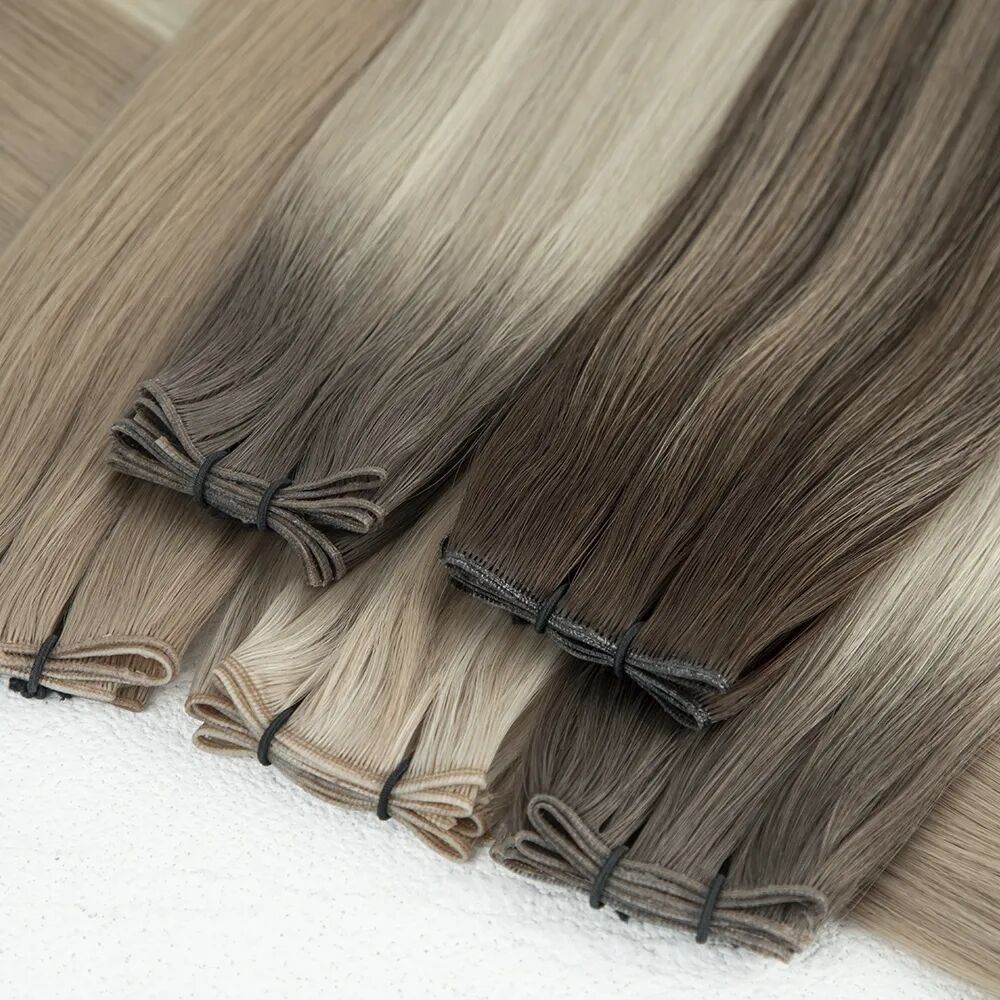
Global hair extension wholesalers operating in competitive markets understand that bulk sourcing tip hair requires strategic supplier relationships, quality verification systems, and comprehensive knowledge of manufacturing standards. Tip hair extensions, characterized by their pre-bonded keratin or adhesive tips designed for strand-by-strand application, represent a premium product category that demands careful sourcing decisions to maintain profitability while meeting client expectations. Wholesalers who master the complexities of bulk tip hair procurement position themselves to serve diverse markets ranging from high-end salons to regional distributors, but success depends on navigating supplier capabilities, quality consistency, customization options, and logistics coordination that impact both margins and market reputation.
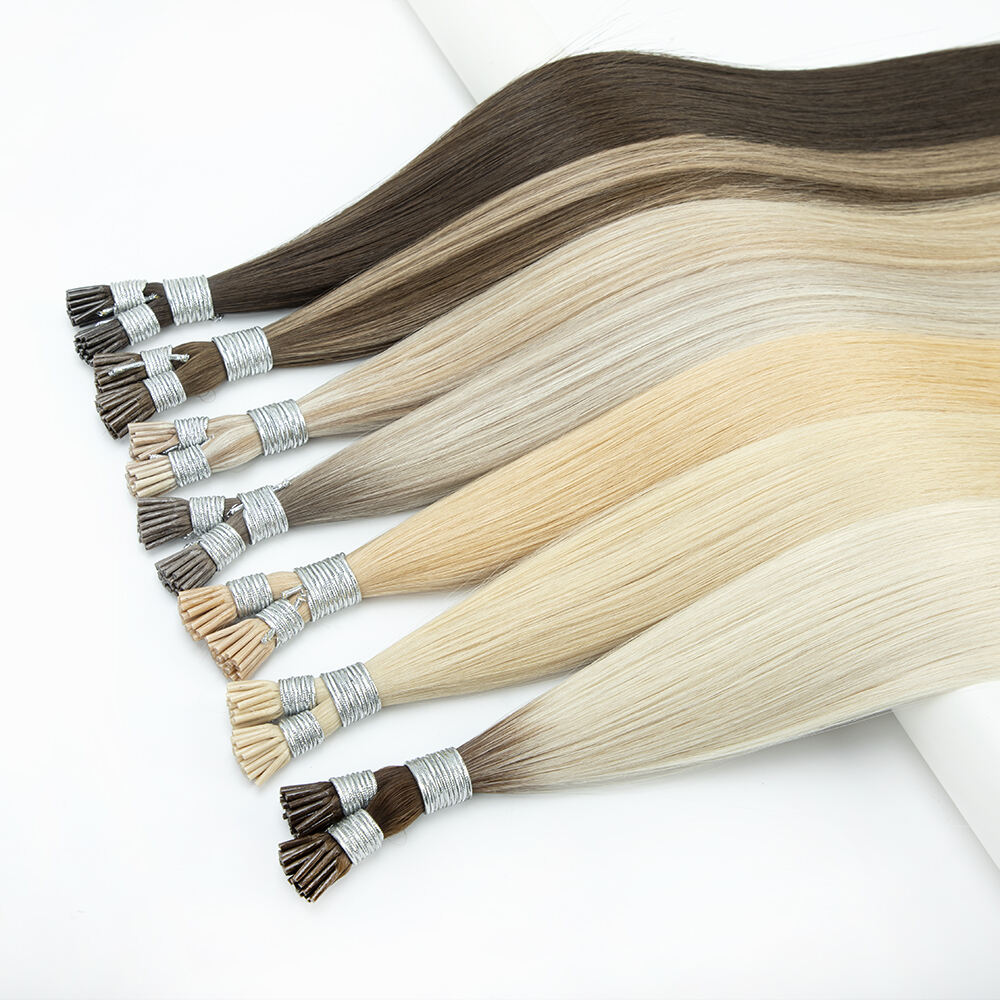
The decision to source tip hair in bulk volumes introduces operational considerations that differ significantly from retail-level purchasing or small-batch orders. Wholesalers must evaluate factory production capacity, minimum order quantities that align with inventory turnover rates, payment terms that preserve working capital, and quality control protocols that prevent costly returns or damaged client relationships. Understanding the specific characteristics that define premium tip hair—including cuticle alignment, bond durability, color accuracy, and texture consistency—becomes essential when ordering quantities that may range from several thousand to hundreds of thousands of strands. This comprehensive guide addresses the critical factors that global wholesalers must consider when establishing bulk sourcing channels for tip hair extensions, from initial supplier identification through ongoing quality management and market adaptation strategies.
Understanding Tip Hair Product Specifications for Bulk Procurement
Keratin Bond Composition and Application Requirements
The keratin tip that distinguishes this extension category requires careful specification during bulk sourcing negotiations, as bond composition directly impacts application success rates and client satisfaction. High-quality tip hair utilizes Italian keratin or protein-based bonding compounds formulated to achieve secure attachment when heated to specific temperature ranges, typically between 160 and 180 degrees Celsius during fusion application. Wholesalers sourcing in bulk must verify that suppliers maintain consistent keratin formulation across production batches, as variations in melting point or adhesive strength create application challenges for salon professionals and increase return rates. The bond should demonstrate sufficient flexibility after cooling to prevent breakage during normal hair movement while maintaining secure attachment for the expected wear duration of three to six months.
Different markets prefer varying bond sizes and shapes, with U-tip, I-tip, and flat-tip configurations each serving specific application methods and hair types. When sourcing tip hair in bulk quantities, wholesalers should establish clear specifications for bond dimensions, as standardization facilitates inventory management and reduces application complications for end users. U-tip hair extensions typically feature semicircular keratin bonds measuring four to six millimeters in width, designed for hot fusion application with specialized heating tools. I-tip or stick-tip configurations use cylindrical bonds approximately two millimeters in diameter, suited for microlink or loop application methods that may or may not require heat. Flat-tip designs present rectangular bonds optimized for tape-like application or specialized fusion techniques preferred in certain regional markets.
Hair Quality Grading Systems and Cuticle Integrity
Bulk sourcing decisions for tip hair must account for the grading system used to classify raw material quality, as this determines both wholesale cost structure and target market positioning. Premium-grade tip hair maintains fully intact cuticles aligned in a single direction from root to tip, preventing tangling and ensuring natural movement that justifies higher retail price points. This Remy classification requires careful collection methods where hair donors provide ponytails or braids that preserve directional integrity throughout processing. Wholesalers should verify that bulk orders specify Remy processing, as non-Remy alternatives—while less expensive—involve hair collected from multiple sources without directional control, resulting in cuticle misalignment that causes matting and shorter usable lifespan.
Virgin hair represents the highest quality tier for tip hair extensions, indicating that the hair has never undergone chemical processing including coloring, perming, or relaxing treatments. When sourcing virgin tip hair in bulk, wholesalers access material that accepts custom coloring uniformly and maintains superior texture retention over extended wear periods. However, virgin hair sourcing requires premium pricing and careful supplier verification, as the term is sometimes applied loosely in competitive wholesale markets. Single-donor hair, though rarely available in bulk quantities sufficient for wholesale operations, offers the ultimate consistency but typically remains limited to custom luxury orders rather than standard inventory replenishment. Wholesalers serving mid-market segments often find that high-quality Remy tip hair provides the optimal balance between quality performance and cost structure for bulk procurement strategies.
Length Options and Inventory Portfolio Strategy
Strategic bulk sourcing of tip hair requires deliberate decisions regarding length ranges that align with market demand patterns and inventory investment capacity. Most wholesalers maintain core inventory in popular lengths ranging from 16 to 22 inches, as these dimensions serve the broadest customer base and generate consistent turnover. However, emerging market trends toward longer extensions create opportunities for wholesalers who can source 24 to 28-inch tip hair in bulk quantities at competitive pricing. Longer lengths command premium pricing but also involve higher raw material costs and lower availability, requiring careful demand forecasting before committing to bulk orders.
The relationship between hair length and tip hair production yields significantly impacts bulk pricing structures, as longer extensions require proportionally longer donor hair with fewer strands produced per kilogram of raw material. A kilogram of processed hair might yield approximately 2,000 individual tip hair strands at 18 inches but only 1,200 strands at 26 inches, explaining the non-linear pricing increases for extended lengths. Wholesalers should calculate unit economics carefully when determining bulk order compositions, balancing inventory investment against market-specific demand curves. Markets serving clientele with average hair lengths of 12 to 16 inches naturally demand shorter tip hair extensions for blending purposes, while fashion-forward markets with styling trends favoring dramatic length transformations justify inventory concentration in longer options.
Supplier Qualification and Factory Assessment Protocols
Manufacturing Capacity and Production Consistency Verification
Identifying suppliers capable of fulfilling bulk tip hair orders with consistent quality across production runs requires systematic factory assessment that examines both capacity and process control systems. Wholesalers should evaluate whether potential suppliers operate dedicated production lines for tip hair manufacturing or treat these items as occasional production runs within diversified operations. Factories with specialized tip hair production typically maintain skilled workers trained specifically in keratin bond application, quality inspection protocols tailored to pre-bonded extension requirements, and inventory management systems that track batch-specific quality metrics. Production capacity verification should include questions about monthly output volumes, lead time requirements for various order sizes, and existing client commitments that might impact delivery reliability during peak seasons.
Quality consistency across bulk orders depends significantly on supplier process documentation and raw material sourcing stability. Reputable tip hair manufacturers maintain detailed specifications for each processing stage, from initial hair washing and sanitization through cuticle alignment verification, color processing when applicable, cutting to specified lengths, keratin bond application, and final quality inspection. Wholesalers should request facility tours when possible or detailed video documentation showing production workflows, storage conditions for raw materials and finished goods, and quality control checkpoints. Suppliers who resist transparency regarding manufacturing processes or cannot provide batch traceability documentation present elevated risk for bulk sourcing relationships where order values may reach tens of thousands of dollars per shipment.
Quality Control Systems and Defect Rate Management
Establishing clear quality standards before initiating bulk tip hair orders prevents disputes and ensures that delivered products meet market requirements. Comprehensive quality specifications should address multiple parameters including cuticle integrity verification through water-drop or friction tests, bond strength testing protocols, color accuracy tolerances compared to reference standards, and acceptable defect rates for various quality issues. Industry-standard defect allowances for bulk tip hair orders typically permit no more than two to three percent of strands showing issues such as bond irregularities, color deviations beyond specified tolerance ranges, or length variations exceeding one centimeter from stated specifications.
Forward-thinking wholesalers implement incoming inspection protocols that examine representative samples from each bulk tip hair shipment before accepting delivery and processing payment. Random sampling of at least one to two percent of received quantities, subjected to systematic quality checks covering bond integrity, hair texture assessment, tangle testing through repeated combing, and color verification under standardized lighting conditions, identifies quality deviations before products reach customer distribution channels. Documented inspection results create objective quality records that support supplier performance management and provide evidence for resolving disputes regarding substandard shipments. Suppliers confident in their quality systems generally accept reasonable inspection protocols and may even provide certificates of analysis documenting quality testing performed before shipment, including bond strength measurements, moisture content verification, and microbiological testing results confirming proper sanitization.
Certification Requirements and Compliance Documentation
Global wholesalers sourcing bulk tip hair must navigate various regulatory and market-access requirements that vary by destination market and distribution channel. European Union markets increasingly require suppliers to provide documentation confirming that hair extensions comply with REACH regulations regarding restricted substances, particularly in adhesive compounds and color treatments. Suppliers should provide material safety data sheets specifying keratin bond composition and confirming absence of prohibited chemicals. Similarly, markets with heightened consumer protection standards may require certification that tip hair products have undergone appropriate sanitization processes, typically involving multi-stage washing, chemical treatment to eliminate potential pathogens, and final sterilization protocols.
Ethical sourcing documentation gains importance as consumer awareness increases regarding hair extension supply chains and potential concerns about coerced donation or inadequate donor compensation. While comprehensive supply chain transparency remains challenging in hair extension industries, wholesalers can differentiate their offerings by partnering with suppliers who provide reasonable documentation of ethical sourcing practices. This might include attestations regarding voluntary donation programs with fair compensation, absence of child labor in collection and processing operations, and compliance with labor standards in manufacturing facilities. Such documentation serves both risk management purposes, protecting wholesalers from reputational damage associated with unethical sourcing, and marketing value when targeting conscious consumers or premium market segments where ethical considerations influence purchasing decisions.
Pricing Structures and Negotiation Strategies for Bulk Orders
Volume-Based Pricing Tiers and Order Quantity Optimization
Understanding tip hair pricing structures enables wholesalers to optimize bulk order quantities for maximum cost efficiency while maintaining appropriate inventory levels. Most manufacturers implement tiered pricing where per-unit costs decrease at specific volume thresholds, commonly structured around quantities such as 5,000, 10,000, 25,000, and 50,000 strands. The price reduction between tiers typically ranges from eight to fifteen percent, creating strong economic incentives for larger orders but also increasing inventory carrying costs and cash flow requirements. Wholesalers must calculate the effective savings from volume discounts against inventory holding costs, obsolescence risk from fashion or color trend changes, and opportunity costs of capital tied up in excess inventory.
Negotiation leverage increases substantially when wholesalers can commit to regular replenishment orders rather than sporadic bulk purchases. Suppliers value predictable production planning and steady revenue streams, making them more willing to offer favorable pricing and priority production scheduling for customers who establish ongoing relationships with consistent order patterns. A wholesaler committing to quarterly orders of 20,000 tip hair strands often secures better pricing and terms than one placing a single 50,000-strand order with uncertain future volume. Forward-thinking negotiation strategies might include annual volume commitments with scheduled quarterly releases, providing suppliers with demand visibility while allowing wholesalers to spread cash outlays and reduce inventory risk by receiving products closer to actual distribution needs.
Payment Terms and Working Capital Management
Payment term negotiations significantly impact working capital requirements for wholesalers engaged in bulk tip hair sourcing. Standard international trade terms for initial orders typically require 30 percent deposits upon order confirmation with 70 percent balance payment before shipment, creating substantial cash flow demands that strain smaller wholesalers. Established relationships with proven payment history enable progression toward more favorable terms such as 30-day payment periods after shipment or even 60-day terms for exceptionally strong business relationships. Letter of credit arrangements provide middle-ground solutions that protect both parties, with banks guaranteeing payment to suppliers upon presentation of specified shipping documents while giving wholesalers assurance that payment releases only when shipment confirmation is verified.
Wholesalers should calculate the true cost of different payment terms when evaluating supplier options, as apparently lower pricing may prove more expensive when combined with restrictive payment requirements. A supplier offering tip hair at ten dollars per unit with full prepayment effectively costs more than a competitor at 10.50 dollars per unit offering 45-day payment terms, considering the time value of money and alternative uses for working capital. Some wholesalers negotiate hybrid payment structures for bulk orders, such as deposits covering raw material costs with balances due upon completion but before shipping, creating reasonable protection for suppliers while moderating cash flow impact. Understanding supplier perspectives helps negotiation success—recognizing that factories face their own working capital constraints and raw material costs informs compromise positions that address both parties' financial requirements.
Currency Management and International Pricing Stability
Cross-border bulk sourcing of tip hair introduces currency risk that can significantly impact effective costs over multi-month procurement cycles. Wholesalers ordering from manufacturers in different currency zones face potential cost increases if their home currency weakens between order placement and payment, or conversely benefit from currency movements in their favor. Sophisticated wholesalers implement currency hedging strategies for large orders, using forward contracts to lock in exchange rates at order placement, eliminating uncertainty regarding final costs. While hedging involves fees and removes potential benefits from favorable currency movements, it provides budget certainty valuable for wholesalers operating on defined margin targets.
Multi-currency pricing arrangements offer alternatives to hedging, with some suppliers willing to quote prices in the buyer's currency, effectively accepting currency risk themselves. Suppliers offering this flexibility typically build risk premiums into quoted prices or adjust rates periodically based on currency movements, but the arrangement simplifies financial planning for wholesalers. Long-term supply relationships might incorporate pricing review clauses that adjust unit costs if exchange rates move beyond specified thresholds, creating shared currency risk that prevents either party from bearing excessive exposure. For example, tip hair pricing agreements might specify adjustment triggers if exchange rates move more than five percent from baseline rates established at contract inception, with revised pricing calculated using formulas specified in supply agreements.
Logistics Coordination and Supply Chain Management
Shipping Methods and Transit Time Optimization
Bulk tip hair shipments involve logistics decisions balancing cost efficiency against inventory availability requirements and working capital utilization. Ocean freight represents the most economical option for large-volume orders, with costs per unit dramatically lower than air freight, but transit times ranging from three to eight weeks depending on origin and destination ports create extended inventory cycles. Wholesalers must factor these lead times into order planning, maintaining sufficient buffer inventory to cover demand during transit periods plus reasonable safety stock for demand variability. Air freight reduces transit to days rather than weeks, facilitating rapid inventory replenishment and reducing working capital tied up in pipeline inventory, but premium transportation costs may eliminate margin advantages from bulk pricing.
Hybrid shipping strategies optimize total logistics costs by using air freight for fast-moving tip hair colors and lengths while relying on ocean freight for core inventory items with predictable demand. Rush orders for trending colors or emergency inventory replenishment justify air freight premiums, while regular replenishment of classic colors in standard lengths benefits from ocean freight economy. Wholesalers should analyze their sales velocity data to identify which tip hair products generate sufficient volume and demand predictability to justify bulk ocean shipments, typically items moving thousands of strands monthly with low variability. Specialty items, longer lengths, or fashion colors with uncertain demand might be ordered in smaller quantities via air freight despite higher per-unit costs, as the reduced inventory risk offsets transportation premiums.
Customs Clearance and Import Compliance
International bulk sourcing of tip hair requires understanding customs classification, applicable duty rates, and import documentation requirements in destination markets. Hair extensions typically fall under specific Harmonized System codes, with duty rates varying significantly across countries and sometimes influenced by factors such as whether hair is human or synthetic and whether extensions include bonding materials. Wholesalers should verify correct classification with customs brokers or trade compliance specialists, as misclassification can result in penalties, shipment delays, or unexpected duty assessments that impact landed costs. Some markets offer preferential duty treatment under trade agreements, potentially reducing import costs for tip hair sourced from specific origin countries.
Documentation requirements for customs clearance typically include commercial invoices detailing product descriptions, quantities, unit values, and total shipment value, along with packing lists specifying contents of each carton and certificates of origin when required for preferential duty treatment. Hair extensions may require additional documentation in certain markets, such as sanitary certificates confirming appropriate processing and sanitization, particularly for jurisdictions with strict biosecurity regulations. Wholesalers should establish clear documentation responsibilities with suppliers, ensuring that factories provide necessary certificates and prepare commercial invoices with accurate product descriptions and values that comply with customs requirements. Undervalued invoices create customs audit risks and legal complications that far outweigh any potential duty savings, making accurate valuation essential for sustainable bulk sourcing operations.
Inventory Management and Quality Preservation
Receiving bulk tip hair shipments initiates inventory management responsibilities that directly impact product quality and financial performance. Proper storage conditions maintain tip hair quality until distribution to customers, with climate-controlled environments preventing moisture accumulation that can compromise keratin bonds or encourage mold growth in humid conditions. Storage areas should maintain temperatures between 15 and 25 degrees Celsius with relative humidity below 60 percent, avoiding temperature fluctuations that might affect bond integrity. Tip hair inventory should remain in original sealed packaging until order fulfillment, minimizing handling and environmental exposure that could compromise quality.
Inventory rotation systems based on first-in-first-out principles ensure that older stock moves before newer arrivals, though tip hair maintains quality for extended periods under proper storage conditions. Wholesalers should implement batch tracking systems that record receipt dates, supplier information, and any quality inspection results, enabling rapid response if quality issues emerge in customer feedback. Periodic quality spot-checks on stored inventory verify that storage conditions remain adequate, with random sampling and testing for tangling tendency, bond integrity, and color stability providing early warning of environmental control issues. Insurance coverage for bulk tip hair inventory protects against losses from fire, theft, or environmental damage, with values determined by replacement cost rather than lower liquidation values given the specialized nature of these products.
Market Adaptation and Customer Relationship Management
Regional Preference Variations and Portfolio Customization
Successful bulk sourcing strategies account for regional variations in tip hair preferences, as markets demonstrate distinct patterns in color preferences, length demands, and texture requirements. European markets traditionally favor natural tones with subtle highlights, driving demand for tip hair in ash blondes, dark browns, and mixed tonal options that create dimensional color effects. Asian markets often emphasize darker shades with occasional fashion color accents, while demonstrating increasing interest in lighter tones as fashion trends evolve. North American wholesalers serve diverse customer bases requiring comprehensive color ranges spanning dark blacks through platinum blondes, with significant demand for ombre and balayage color patterns that require specialized production techniques.
Texture preferences similarly vary across markets, with European and North American customers generally preferring straight to body wave patterns while other markets demonstrate stronger demand for deep wave or curly textures. Wholesalers should analyze their customer base demographics and regional market trends when determining bulk order compositions, avoiding excessive inventory in textures with limited market appeal. Minimum order quantities for less common textures or specialty colors may require wholesalers to commit to higher volumes than immediately needed, creating decisions about whether to carry inventory for niche segments or limit portfolios to high-velocity items. Forward-looking wholesalers maintain dialogue with key customers about emerging preferences, using this market intelligence to guide bulk sourcing decisions before trends fully develop, potentially capturing early-adopter advantages.
Private Labeling and Brand Differentiation
Bulk tip hair sourcing creates opportunities for private labeling strategies that build brand equity and customer loyalty while potentially supporting premium pricing. Suppliers equipped with packaging capabilities can apply custom labels featuring wholesaler branding, creating proprietary product lines that strengthen market positioning. Private labeling works particularly effectively for wholesalers serving salon professionals who value consistent quality and recognize brand names as reliability signals. The investment in custom packaging and branding may add modest per-unit costs but generates differentiation in markets where generic tip hair products compete primarily on price.
Brand development strategies should align with target customer segments and competitive positioning objectives. Wholesalers targeting premium salons benefit from sophisticated packaging emphasizing quality credentials, ethical sourcing claims, or professional styling education resources that position tip hair products as premium solutions. Value-focused positioning might emphasize competitive pricing and reliable quality without elaborate packaging investments that add costs with limited perceived value in price-sensitive segments. Some wholesalers develop multi-tier branding strategies, maintaining premium lines with extensive packaging and positioning alongside value brands offering simplified packaging at lower price points, effectively segmenting their customer base while maximizing market coverage through bulk sourcing that supplies both product tiers from common raw material purchases.
Technical Support and Customer Education
Wholesalers who differentiate beyond product supply by offering technical support and education resources strengthen customer relationships and reduce returns from application errors. Many salon professionals lack extensive training in tip hair application techniques, creating opportunities for wholesalers to provide value through instructional materials, application guides, or troubleshooting resources addressing common challenges. Video tutorials demonstrating proper fusion temperatures, bond application techniques, and removal methods increase customer success rates while positioning wholesalers as knowledgeable partners rather than transactional suppliers.
Technical support capabilities become particularly valuable when introducing customers to new tip hair products or application methods, as unfamiliarity creates hesitation and potential quality misperceptions if initial applications fail due to technique issues rather than product problems. Wholesalers might organize training workshops for high-volume customers, bringing together salon professionals for hands-on education that builds expertise while strengthening business relationships. Responsive technical support for troubleshooting application problems or quality concerns demonstrates commitment to customer success, encouraging repeat business and positive word-of-mouth referrals. Some wholesalers maintain detailed customer interaction records tracking preferences, common questions, and technical issues, using this information to refine product selection and proactively address potential problems before they impact satisfaction.
FAQ
What minimum order quantities should wholesalers expect when bulk sourcing tip hair?
Minimum order quantities for bulk tip hair typically range from 5,000 to 10,000 strands depending on supplier production capabilities and whether orders involve standard inventory items or custom specifications. Suppliers offering existing stock in popular colors and lengths may accept smaller minimums of 2,000 to 3,000 strands per color and length combination, while custom color matching or specialty textures generally require higher minimums of 10,000 strands or more to justify production setup costs. Wholesalers should clarify whether quoted minimums apply per color and length combination or represent total order quantities across multiple specifications, as this significantly impacts practical order composition and inventory requirements.
How can wholesalers verify tip hair quality before committing to large bulk orders?
Quality verification before bulk orders should begin with sample requests allowing hands-on evaluation of hair texture, bond integrity, color accuracy, and overall construction quality. Reputable suppliers provide samples at nominal costs or free for serious buyers, understanding that wholesalers require physical evaluation before committing to substantial orders. Samples should undergo thorough testing including washing to assess tangling tendency, heat styling to verify processing quality and durability, bond strength testing through gentle pulling, and extended wear evaluation when practical timelines permit. Wholesalers might conduct split testing where samples from multiple suppliers undergo identical evaluation protocols, creating objective comparisons that inform sourcing decisions. Factory visits or virtual facility tours provide additional verification, allowing assessment of production conditions, quality control systems, and raw material handling that impact final product quality.
What payment protection options exist for international bulk tip hair sourcing?
Payment protection for international bulk orders includes several mechanisms balancing supplier security needs against buyer risk management. Letters of credit remain the gold standard for protecting both parties, with banks guaranteeing payment to suppliers upon presentation of specified shipping documents while ensuring buyers that payment releases only when shipment occurs as contracted. Trade assurance programs offered by some business-to-business platforms provide dispute resolution and payment protection for qualified transactions, though coverage limits and eligibility requirements require careful review. Escrow services hold buyer payments until delivery confirmation, releasing funds to suppliers after wholesalers verify receipt of conforming goods, though these services involve fees and may face supplier resistance. Established relationships eventually progress toward open account terms where trust replaces formal protection mechanisms, but initial transactions should employ appropriate safeguards given the substantial values involved in bulk tip hair sourcing.
How should wholesalers manage seasonal demand fluctuations when ordering bulk tip hair inventory?
Managing seasonal demand patterns requires wholesalers to balance inventory availability during peak periods against carrying costs and obsolescence risks during slower seasons. Historical sales data analysis identifies seasonal patterns, with many markets experiencing increased tip hair demand before summer and winter holiday seasons when consumers invest in appearance enhancements. Wholesalers should plan bulk orders to arrive several weeks before anticipated demand increases, providing adequate inventory without excessive early arrival that prolongs storage periods. Some suppliers offer flexible scheduling where large annual commitments receive volume pricing but ship in quarterly or monthly installments timed to demand patterns, optimizing cash flow and storage requirements. Wholesalers might maintain core inventory in evergreen colors and lengths year-round while ordering fashion colors and specialty items more frequently in smaller quantities responsive to current trends, effectively creating hybrid inventory strategies that balance bulk sourcing economies with market responsiveness.
Table of Contents
- Understanding Tip Hair Product Specifications for Bulk Procurement
- Supplier Qualification and Factory Assessment Protocols
- Pricing Structures and Negotiation Strategies for Bulk Orders
- Logistics Coordination and Supply Chain Management
- Market Adaptation and Customer Relationship Management
-
FAQ
- What minimum order quantities should wholesalers expect when bulk sourcing tip hair?
- How can wholesalers verify tip hair quality before committing to large bulk orders?
- What payment protection options exist for international bulk tip hair sourcing?
- How should wholesalers manage seasonal demand fluctuations when ordering bulk tip hair inventory?