 EN
EN
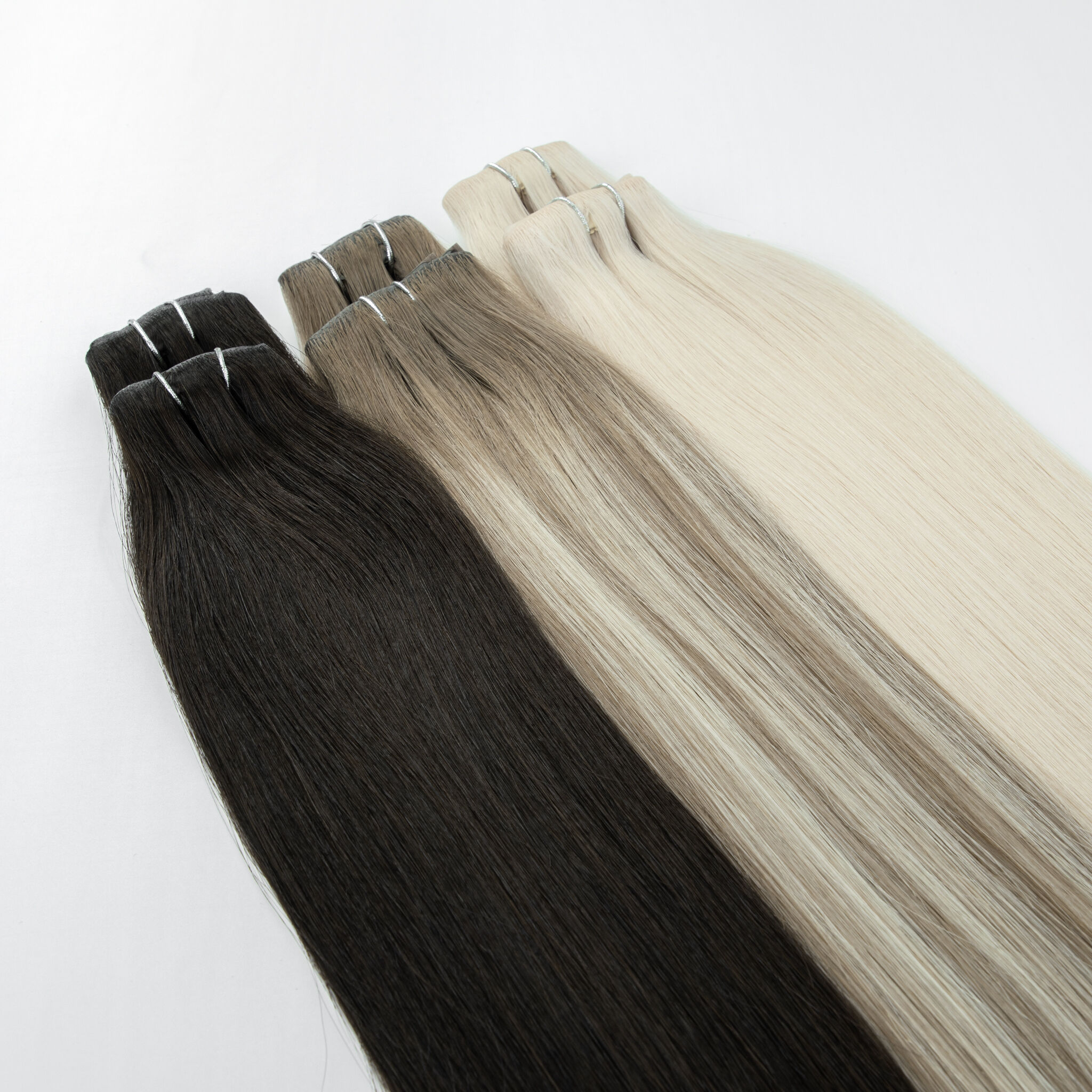
Factory-direct tip hair represents a pivotal category in professional hair extension manufacturing where quality control begins at the source. When sourcing directly from manufacturing facilities, the integrity of keratin bonds and the tensile strength of pre-bonded tip hair extensions become measurable guarantees rather than marketing claims. This direct procurement model eliminates intermediary handling that can compromise bond quality, ensuring that each strand of tip hair maintains its structural integrity from production floor to salon application. Understanding the mechanics of high tensile strength keratin in tip hair requires examining both the molecular composition of the bonding agent and the manufacturing precision that preserves hair cuticle alignment during the bonding process.
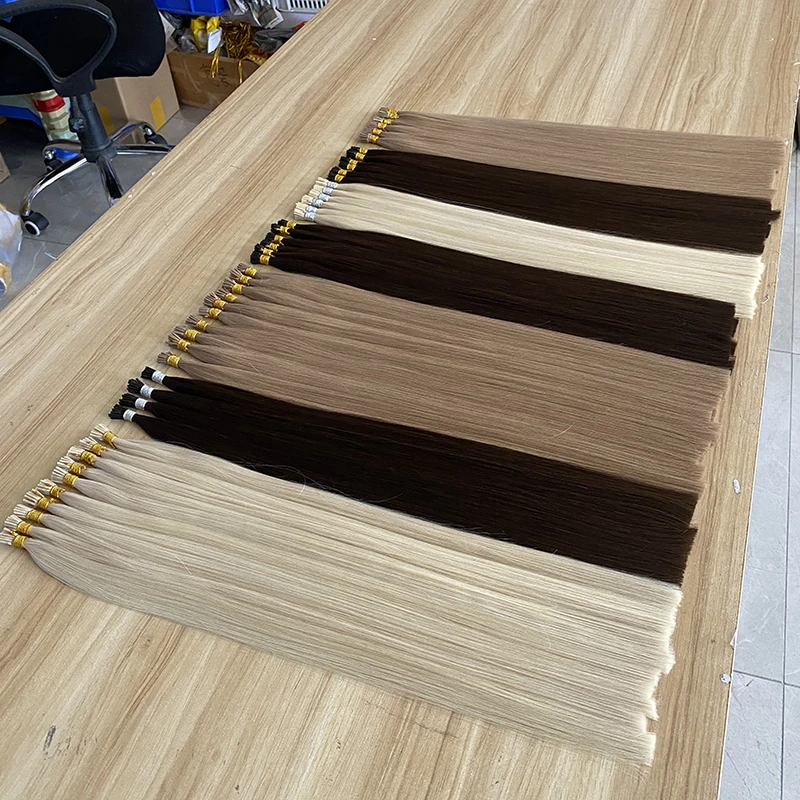
The tensile strength of keratin bonds in factory-direct tip hair stems from controlled thermal fusion processes that create uniform molecular cross-linking without degrading the protein structure. Professional-grade tip hair manufactured under direct factory oversight undergoes rigorous pull-test protocols where individual bonds must withstand minimum force thresholds before product release. This quality assurance framework distinguishes factory-direct tip hair from wholesale inventory that may have undergone multiple storage cycles or inconsistent handling conditions. The economic and practical advantages of factory-direct sourcing extend beyond cost savings to encompass batch consistency, customization capabilities, and direct accountability for performance specifications that directly impact client retention in salon environments.
The Science Behind High Tensile Strength in Keratin-Bonded Tip Hair
Molecular Structure of Keratin Fusion Bonds
Keratin used in professional tip hair manufacturing contains specific amino acid sequences that enable thermoplastic behavior under controlled heat application. The disulfide bonds within keratin proteins reorganize during the fusion process, creating a three-dimensional matrix that anchors hair strands while maintaining flexibility. Factory-direct tip hair production facilities optimize fusion temperatures between 180-220 degrees Celsius, a range that activates keratin plasticity without causing protein denaturation. This precise thermal management ensures that the resulting bond achieves maximum tensile strength while preserving the natural movement characteristics essential for undetectable integration with client hair.
The tensile strength measurement of tip hair bonds typically ranges from 35 to 50 Newtons for professional-grade products, with factory-direct sources providing documented test results for each production batch. This force tolerance translates to practical durability under daily styling stress, including brushing tension, thermal styling tools, and natural hair movement. The cross-linking density within the keratin bond directly correlates with pull resistance, making the molecular homogeneity achieved during manufacturing the primary determinant of long-term bond integrity. Factory environments that maintain consistent humidity levels and controlled cooling rates produce tip hair with superior bond uniformity compared to variable conditions in less controlled production settings.
Manufacturing Variables That Determine Bond Strength
The extrusion process used to form individual keratin tips on tip hair extensions requires precision machinery that maintains consistent material flow and temperature distribution. Factory-direct manufacturers invest in automated tipping equipment that deposits uniform keratin quantities on each strand, eliminating the weight variation that creates uneven stress distribution during wear. The cooling phase following keratin application proves equally critical, as rapid temperature reduction can create internal stress fractures that compromise tensile strength despite appearing intact during visual inspection. Controlled ambient cooling over 3-5 minutes allows molecular stabilization that maximizes the crystalline structure within the keratin matrix.
Quality assurance protocols in factory-direct tip hair production include microscopic inspection of bond cross-sections to verify absence of air pockets or incomplete fusion zones. These microscopic defects, invisible to casual observation, create failure initiation points where mechanical stress concentrates during normal use. The investment in quality control equipment and trained inspection personnel represents a cost differential that explains price variations between factory-direct tip hair and lower-tier wholesale alternatives. Additionally, the raw keratin material itself varies in purity grades, with pharmaceutical-grade keratin powder producing bonds with 15-20% higher tensile strength compared to cosmetic-grade alternatives commonly used in budget production facilities.
Hair Cuticle Preservation During Bond Application
High tensile strength in tip hair extends beyond the keratin bond itself to encompass the structural integrity of the hair shaft within the bonded zone. Factory-direct manufacturing processes that maintain hair in cuticle-aligned orientation during tipping prevent the microscopic surface damage that creates weak points in the strand structure. The mechanical handling systems in advanced production facilities use gentle pneumatic positioning rather than aggressive mechanical gripping, preserving the cuticle layer that contributes significantly to overall strand strength. This attention to hair preservation during manufacturing ensures that tensile testing reflects true bond performance rather than premature hair breakage adjacent to the bond site.
The double-drawn classification common in premium factory-direct tip hair relates directly to tensile performance by ensuring uniform diameter throughout the extension length. This uniformity prevents stress concentration at the bond interface that occurs when thick root areas transition abruptly to thinner tips. The sorting and selection processes required for double-drawn tip hair add production time and labor cost, explaining why this specification serves as a reliable indicator of overall manufacturing quality commitment. Factory-direct sources that offer double-drawn tip hair as standard rather than premium upgrade typically maintain more comprehensive quality systems across all production parameters.
Factory-Direct Sourcing Advantages for Tip Hair Performance
Elimination of Storage-Related Bond Degradation
Keratin bonds in tip hair undergo gradual molecular relaxation during extended storage periods, particularly when exposed to temperature fluctuations and humidity variation. The traditional wholesale distribution model introduces multiple storage stages between manufacturing and end-user application, each representing potential exposure to suboptimal conditions. Factory-direct procurement of tip hair reduces this timeline from months to weeks, preserving the peak molecular organization achieved during manufacturing. This temporal advantage translates to measurably higher initial bond strength and extended service life once applied to client hair.
Storage temperature specifically affects keratin bond stability through glass transition temperature dynamics. Keratin bonds exist in a semi-crystalline state at room temperature, with molecular mobility that increases when storage temperatures exceed 25 degrees Celsius. Factory-direct tip hair sourcing allows specification of climate-controlled shipping and reduced inventory holding times that maintain the material within optimal stability ranges. Professional salons that conduct side-by-side longevity testing consistently report 20-30% longer wear times from factory-direct tip hair compared to equivalent products sourced through multi-tier distribution channels, attributing this difference primarily to storage condition control.
Customization Capabilities for Specialized Applications
Direct factory relationships enable customization of tip hair specifications that impact tensile performance for specific client demographics or styling preferences. Bond size variation represents a primary customization parameter, with smaller diameter bonds distributing attachment stress more evenly across larger numbers of integration points. Factory-direct ordering allows specification of micro, standard, or macro bond sizes based on client hair density and texture characteristics, optimizing the balance between attachment security and aesthetic discretion. This customization capability proves particularly valuable for specialized applications such as fine-textured Asian hair or high-density African-textured hair integration.
The keratin formulation itself becomes customizable through factory-direct relationships, with options for flexibility-enhanced bonds that accommodate high-movement styling or rigidity-optimized bonds for maximum security in active-lifestyle clients. Some factory-direct manufacturers offer hybrid keratin formulations that incorporate silicone microspheres or elastomeric additives to modify the mechanical properties of the bond while maintaining core tensile strength. These formulation variations remain unavailable through standardized wholesale channels where inventory turnover requirements mandate limited SKU proliferation. The technical consultation available through direct factory contact enables informed selection of tip hair specifications matched to specific salon service portfolios.
Traceability and Batch-Specific Quality Documentation
Factory-direct tip hair sourcing provides batch-level traceability that connects specific product inventory to documented quality control test results. Professional manufacturers maintain production records that include tensile test data, microscopic inspection findings, and raw material certifications for each production run. This documentation becomes invaluable when troubleshooting unexpected performance variations or substantiating quality claims to discerning clients. The ability to request and receive batch-specific test certificates represents a quality assurance capability impossible to obtain through anonymous wholesale distribution channels.
Traceability extends to raw material sourcing verification, particularly important given the ethical considerations surrounding human hair collection and processing. Factory-direct relationships enable facility audits and supply chain transparency that confirm ethical sourcing practices and quality material selection. The tensile strength of tip hair correlates with the health and treatment history of source hair, making origin verification a quality indicator beyond mere ethical compliance. Premium factory-direct suppliers maintain relationships with specific collection regions and processing facilities, ensuring consistent material quality that manifests in predictable bond performance characteristics.
Quality Indicators for Evaluating Tip Hair Tensile Strength
Physical Bond Inspection Criteria
Visual and tactile inspection of keratin bonds on tip hair reveals multiple quality indicators that correlate with tensile performance. Uniform bond geometry with smooth surfaces and consistent coloration indicates controlled manufacturing conditions and complete keratin fusion. Irregular bond shapes, surface roughness, or color variation within a single batch suggest temperature inconsistencies or material contamination during production. The bond should exhibit a slightly translucent quality rather than opaque cloudiness, with the latter indicating incomplete molecular fusion or excessive air incorporation during the tipping process.
The transition zone where hair enters the keratin bond deserves particular inspection attention, as this interface represents the primary stress concentration area during wear. High-quality factory-direct tip hair demonstrates gradual keratin penetration into the hair bundle rather than abrupt demarcation, creating a stress-distribution geometry that enhances tensile performance. Rolling the bond gently between fingers should reveal firm consistency without brittleness or excessive flexibility, both extremes indicating suboptimal keratin formulation or processing parameters. Professional buyers develop tactile sensitivity to bond quality through comparative handling of samples from multiple sources, calibrating their assessment criteria against documented tensile test results.
Destructive Testing Protocols for Batch Verification
Sample-based destructive testing provides objective verification of tip hair tensile strength claims prior to large-scale purchasing commitments. The standard pull test involves securing the hair shaft in a fixed clamp while applying gradually increasing tension to the bond until failure occurs, measuring the peak force achieved. Professional-grade tip hair should consistently withstand 40-50 Newtons of tension, with failure occurring through hair breakage rather than bond separation indicating optimal manufacturing quality. Conducting pull tests on random samples from different package positions within a shipment verifies manufacturing consistency across the production batch.
Accelerated aging protocols complement immediate tensile testing by simulating extended wear conditions through thermal cycling and humidity exposure. Subjecting tip hair samples to 20 cycles of temperature variation between 15-35 degrees Celsius with relative humidity swings of 40-80% approximates several months of typical storage and wear conditions. Retesting tensile strength after this accelerated aging protocol reveals the stability of the keratin bond formulation, with premium factory-direct tip hair showing less than 15% strength reduction compared to initial values. This aging resistance distinguishes truly stable keratin formulations from those that achieve initial strength through additives that degrade over time.
Comparative Performance Assessment
Establishing baseline performance expectations requires comparative evaluation of tip hair from multiple factory-direct sources alongside wholesale alternatives. Side-by-side installation of different tip hair products on the same client, documented through photography and wear-time tracking, generates practical performance data under identical real-world conditions. This empirical approach reveals performance differences that may not appear evident through laboratory testing alone, capturing variables such as styling compatibility and client lifestyle factors. Systematic comparative testing across a small client panel provides statistically meaningful data to inform purchasing decisions and quality tier selection.
The economic analysis of tip hair performance must account for effective service life rather than merely initial purchase price. Factory-direct tip hair with superior tensile strength that delivers 6-month wear duration versus wholesale alternatives requiring replacement at 4 months demonstrates 50% better cost-effectiveness despite potential 20-30% higher initial unit cost. Professional salon operators who track these comprehensive cost-per-wear metrics consistently find that premium factory-direct tip hair delivers superior economic value while simultaneously reducing client inconvenience and enhancing satisfaction through extended service intervals. This total-cost-of-ownership perspective explains the preference of established salons for factory-direct sourcing despite readily available lower-priced alternatives.
Application Techniques That Preserve Tip Hair Tensile Strength
Optimal Fusion Temperature Management
The application process for pre-bonded tip hair critically influences the realized tensile strength of the final installation through fusion temperature control. Professional fusion tools must reach and maintain the optimal temperature range of 180-200 degrees Celsius to activate the keratin bond without causing thermal damage to either the extension hair or client hair. Temperature variation during the fusion stroke creates incomplete bonding zones that compromise tensile performance despite appearing adequately attached during initial inspection. High-quality fusion tools incorporate thermocouple feedback systems that maintain consistent temperature regardless of stroke speed or contact pressure variations.
The fusion duration represents an equally critical parameter, with optimal bonding requiring 3-5 seconds of heat application depending on bond size and hair density. Insufficient fusion time leaves the bond core inadequately activated, creating internal weakness that manifests as premature separation during wear. Excessive fusion time, conversely, begins degrading the keratin molecular structure and can cause thermal damage to the client hair within the bond, creating brittleness that reduces tensile strength. Professional stylists develop consistent technique timing through practice with tension testing of applied bonds, calibrating their application speed to achieve optimal strength outcomes.
Client Hair Preparation for Maximum Bond Integrity
The condition and preparation of client hair directly impacts the effective tensile strength of applied tip hair through the mechanical interface quality. Residual styling products, natural oil accumulation, or silicone-based conditioners create barrier layers that prevent intimate contact between the keratin bond and client hair shaft. Pre-application clarifying treatments remove these contaminants, allowing the softened keratin to form direct molecular contact with the client hair cuticle during fusion. This preparation step proves particularly critical for clients who regularly use dry shampoo or leave-in conditioning products that deposit tenacious residues.
The sectioning precision and hair quantity included in each bond attachment influences stress distribution and practical tensile performance. Including too few client hairs in each bond attachment creates excessive load per strand, increasing the likelihood of client hair breakage despite adequate bond strength. Conversely, attempting to bond excessively large client hair sections prevents complete keratin penetration, creating mechanically weak interfaces prone to sliding failure. The optimal ratio of 1:1 between extension strand count and client hair strand count within each bond distributes mechanical loads evenly while ensuring complete keratin integration. Factory-direct tip hair with consistent strand counts per bond facilitates this precise ratio matching during application.
Post-Application Care Protocols
The initial 48-hour period following tip hair application represents a critical stabilization phase where the keratin bond completes its molecular reorganization after thermal activation. Exposure to water, thermal styling, or mechanical tension during this period can disrupt the crystallization process and permanently reduce achieved tensile strength. Professional installation protocols include explicit client education regarding this waiting period, emphasizing the importance of dry conditions and minimal manipulation to maximize long-term bond performance. This post-application discipline proves particularly challenging for clients accustomed to daily washing routines, requiring clear explanation of the mechanical rationale.
Long-term maintenance practices significantly influence the effective service life of tip hair installations through their impact on accumulated stress and bond degradation. Daily brushing technique, specifically starting from ends and working toward roots rather than aggressive root-to-tip strokes, minimizes mechanical stress concentration at bond sites. The selection of extension-safe hair care products free from sulfates and ethanol prevents chemical softening of keratin bonds that progressively reduces tensile strength. Thermal protection products applied before heat styling distribute thermal stress and prevent localized overheating that can cause bond brittleness. These maintenance practices, when followed consistently, allow full realization of the tensile strength designed into factory-direct tip hair products.
Economic and Practical Implications of Superior Tensile Strength
Client Retention Through Performance Reliability
The business case for investing in factory-direct tip hair with verified high tensile strength centers on client retention economics and referral generation. Premature bond failure represents the primary complaint category in extension services, directly impacting client satisfaction and repeat booking rates. Salons that track these metrics consistently observe that reducing bond failure rates from 15% to below 5% through superior tip hair selection increases client retention by 25-30% over annual cycles. This retention improvement translates to substantial revenue impact given the high lifetime value of extension clients who typically commit to quarterly service appointments.
The referral generation potential of consistently reliable tip hair installations compounds the direct retention benefit through new client acquisition at zero marketing cost. Satisfied extension clients serve as visible advertisements within their social circles, with the natural appearance and durability of quality installations prompting inquiries from contacts. Professional salons report that 40-60% of new extension clients arrive through existing client referrals, making installation reliability a primary marketing investment. The price premium for factory-direct tip hair with superior tensile strength represents marketing expenditure that generates returns through this referral channel while simultaneously reducing the complaint management burden that consumes technician time and creates negative online reviews.
Operational Efficiency Through Reduced Service Failures
Service callbacks for bond repairs or premature replacements represent pure operational cost with no revenue offset, making failure rate reduction a direct profit improvement opportunity. The labor time required to address bond failures, including scheduling accommodation, removal of failed bonds, and reinstallation, typically equals 30-40% of the original installation time. When this uncompensated labor affects 10-15% of installations, as commonly occurs with marginal-quality tip hair, the operational cost impact reaches 3-6% of gross service revenue. Upgrading to factory-direct tip hair that reduces failure rates to 3-5% recovers this operational cost while improving schedule reliability and technician satisfaction.
The inventory management benefits of factory-direct tip hair sourcing complement the direct quality advantages through improved stock predictability and reduced capital tied in safety inventory. Direct factory relationships enable more accurate lead time forecasting and smaller minimum order quantities compared to wholesale distributors maintaining buffer inventory. This procurement flexibility allows salons to align inventory levels more precisely with service booking patterns, reducing the working capital requirement and obsolescence risk associated with color or length specifications that fall out of fashion. The combined operational benefits of superior product performance and improved procurement efficiency typically justify factory-direct tip hair pricing premiums within 6-8 months of implementation for salons processing 20 or more extension installations monthly.
Professional Reputation and Market Positioning
The quality perception associated with consistently reliable tip hair installations enables premium pricing strategies and market differentiation in competitive salon environments. Professional stylists who build reputations for technical excellence and reliable outcomes command 20-40% pricing premiums compared to market-average competitors, with installation reliability serving as a primary differentiator in client decision-making. This premium pricing capability more than offsets the incremental cost of factory-direct tip hair, creating a sustainable competitive advantage based on performance rather than price competition. The market positioning as a quality specialist attracts clientele less sensitive to service pricing and more focused on outcome reliability and aesthetic excellence.
The educational content opportunities created through technical expertise in tip hair selection and application generate additional marketing leverage through social media and content marketing channels. Professional stylists who demonstrate knowledge of tensile strength specifications, manufacturing quality indicators, and proper application techniques establish authority positioning that attracts sophisticated clients seeking expertise rather than merely commodity services. This educational marketing approach, supported by genuine technical knowledge and premium product selection, creates barriers to competition from price-focused competitors who cannot credibly communicate equivalent expertise. The investment in factory-direct tip hair with documented quality specifications provides the technical foundation for this educational marketing strategy.
FAQ
What tensile strength should I expect from professional-grade tip hair?
Professional-grade tip hair should demonstrate tensile strength between 40-50 Newtons in standardized pull testing, with failure occurring through hair breakage rather than bond separation. This performance level ensures the bond withstands normal styling stress, daily brushing, and thermal styling without premature separation. Factory-direct sources typically provide batch-specific test documentation confirming these specifications, while wholesale products may lack verification data. The tensile strength requirement varies slightly based on bond size, with micro bonds requiring proportionally higher strength due to smaller surface area distributing equivalent loads. When evaluating tip hair samples, request pull test results from independent laboratories rather than manufacturer self-certification to ensure objective performance verification.
How does factory-direct sourcing improve tip hair tensile strength compared to wholesale options?
Factory-direct sourcing improves tip hair tensile strength primarily through reduced storage time and controlled environmental conditions between manufacturing and application. Keratin bonds undergo molecular relaxation during extended storage, particularly when exposed to temperature fluctuations, resulting in measurably reduced tensile performance. Direct factory procurement typically reduces this storage duration from 4-6 months to 2-4 weeks, preserving peak molecular organization achieved during manufacturing. Additionally, factory-direct relationships enable climate-controlled shipping specifications and provide access to batch-specific quality documentation that verifies performance claims. The elimination of intermediary handling stages reduces contamination risk and mechanical stress exposure that can create microscopic bond damage invisible during visual inspection but compromising tensile performance.
Can I verify tip hair tensile strength before purchasing large quantities?
Verification of tip hair tensile strength before large-scale purchasing requires sample-based destructive testing using standardized pull test equipment. Request sample shipments of 10-20 strands from different production batches and conduct pull tests using calibrated force gauges or professional testing equipment available through beauty supply testing services. Document the peak force at failure and observe whether failure occurs through bond separation or hair breakage, with the latter indicating superior bond quality. Reputable factory-direct suppliers welcome this verification process and provide comparison samples from their product tiers to demonstrate performance differentiation. Additionally, request batch-specific quality control certificates from the manufacturer's testing protocols, and consider third-party laboratory verification for particularly large purchasing commitments to ensure objective performance confirmation independent of supplier claims.
What application errors most commonly compromise tip hair tensile strength?
The most common application errors compromising tip hair tensile strength include insufficient fusion temperature, inadequate heat application duration, and poor client hair preparation. Fusion tools operating below 180 degrees Celsius fail to fully activate the keratin bond, leaving incompletely fused zones that create mechanical weakness despite appearing adequately bonded. Similarly, rushing the fusion process with application times under 3 seconds prevents complete keratin penetration into the client hair bundle, creating interface weakness prone to sliding failure. Inadequate removal of styling product residues, natural oils, or silicone conditioning agents prevents intimate molecular contact between the bond and client hair, substantially reducing effective tensile strength regardless of inherent bond quality. Professional stylists should regularly calibrate fusion tool temperatures using infrared thermometers and practice consistent timing techniques to ensure optimal strength outcomes from quality tip hair products.
Table of Contents
- The Science Behind High Tensile Strength in Keratin-Bonded Tip Hair
- Factory-Direct Sourcing Advantages for Tip Hair Performance
- Quality Indicators for Evaluating Tip Hair Tensile Strength
- Application Techniques That Preserve Tip Hair Tensile Strength
- Economic and Practical Implications of Superior Tensile Strength
-
FAQ
- What tensile strength should I expect from professional-grade tip hair?
- How does factory-direct sourcing improve tip hair tensile strength compared to wholesale options?
- Can I verify tip hair tensile strength before purchasing large quantities?
- What application errors most commonly compromise tip hair tensile strength?