 EN
EN
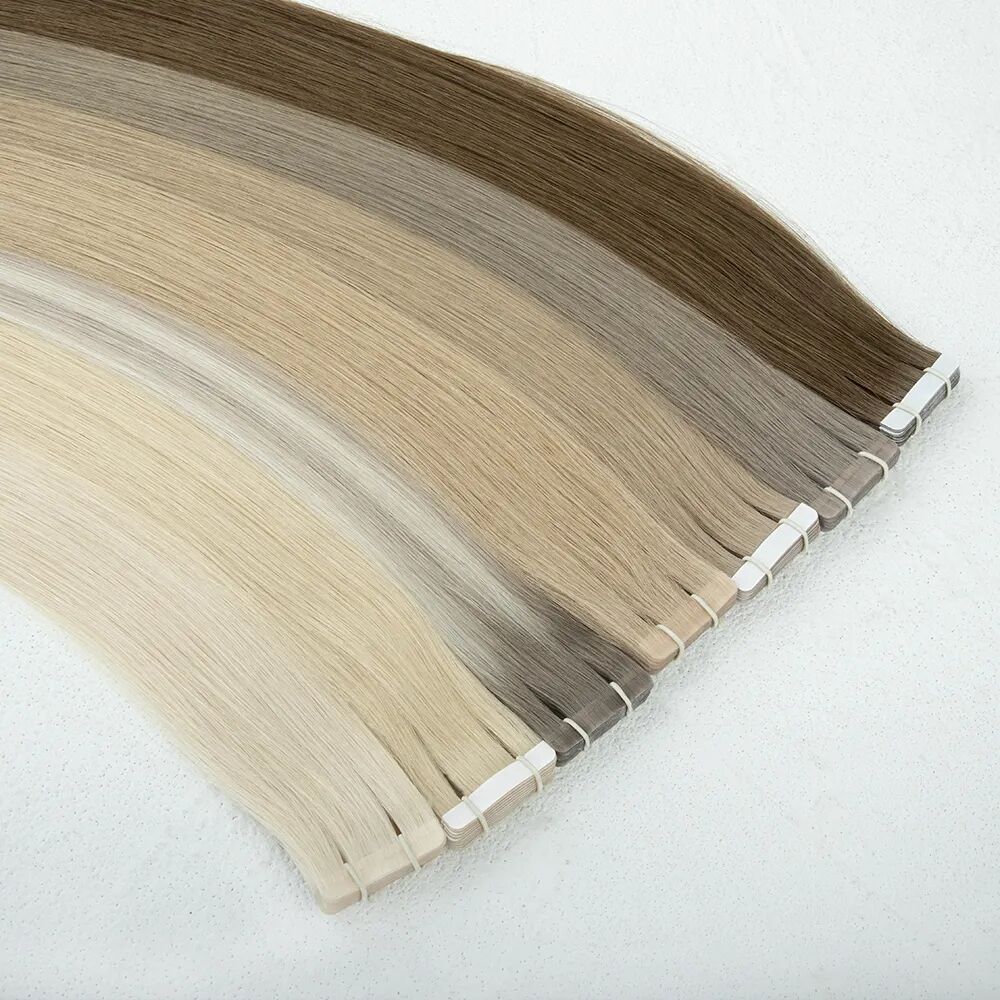
Professional tip hair extensions have transformed the hair enhancement industry, offering stylists and salon owners versatile solutions that combine durability with natural aesthetics. Choosing the right tip hair manufacturer is critical for businesses seeking to deliver premium quality products to their clients while maintaining competitive pricing and consistent supply chains. The manufacturing process behind I-Tip, U-Tip, and Flat-Tip extensions requires specialized expertise, advanced bonding technology, and rigorous quality control to ensure each strand meets professional standards for longevity and wearability.
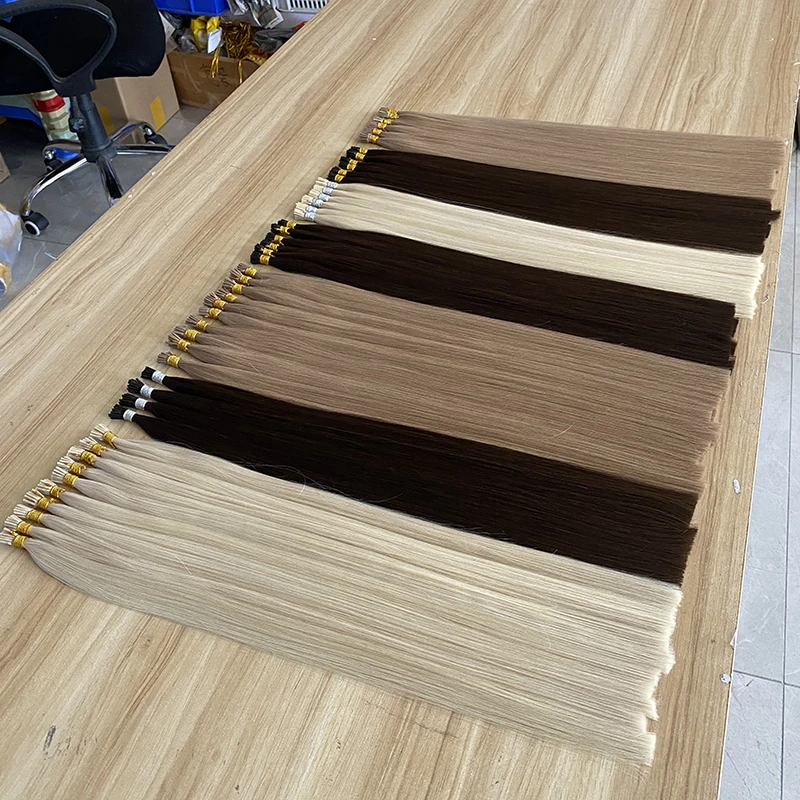
Working with an experienced tip hair manufacturer provides salon professionals with access to ethically sourced human hair, precision-engineered keratin bonds, and customizable specifications that align with diverse client needs. Understanding the distinct characteristics of I-Tip, U-Tip, and Flat-Tip extensions enables businesses to make informed sourcing decisions that optimize inventory management, reduce application time, and enhance client satisfaction. This comprehensive examination explores the manufacturing processes, quality indicators, and strategic considerations that define professional-grade tip hair extensions in today's competitive beauty market.
Manufacturing Excellence in Keratin-Based Tip Hair Extensions
Advanced Bonding Technology for Professional Applications
The foundation of quality tip hair extensions lies in the keratin bonding technology employed by specialized manufacturers. Professional tip hair manufacturer facilities utilize Italian keratin formulations that undergo controlled heating and molding processes to create bonds with optimal melting points, typically between 160-180 degrees Celsius. This temperature range ensures secure attachment during professional application while minimizing heat damage to natural hair. The keratin composition must balance flexibility to prevent brittleness during daily wear with sufficient structural integrity to withstand repeated styling and maintenance routines over the extension's three-to-six-month lifespan.
Manufacturing precision extends to the molecular bonding between keratin compounds and the hair shaft itself. Reputable tip hair manufacturer operations employ surface treatment protocols that prepare the hair cuticle for optimal adhesion, preventing premature bond failure or slippage. This preparatory phase includes controlled cuticle alignment, pH balancing, and moisture content standardization to ensure each strand accepts the keratin application uniformly. The bonding process occurs in climate-controlled environments where humidity and temperature fluctuations are minimized, allowing the keratin to cure properly and form durable connections that resist environmental stressors.
Quality Control Protocols in Tip Extension Production
Distinguishing professional-grade manufacturers from mass-market producers requires understanding the quality assurance systems integrated throughout production. Leading tip hair manufacturer facilities implement multi-stage inspection protocols that examine hair quality, bond consistency, and tip formation accuracy. Initial raw material inspection verifies that incoming hair bundles meet specifications for origin, texture grade, and length uniformity before entering production lines. This screening process eliminates inferior materials that could compromise final product performance, ensuring only premium human hair advances to processing stages.
During manufacturing, automated monitoring systems track bond weight consistency, tip shape precision, and color matching accuracy across production batches. Random sampling protocols subject finished extensions to tension testing, heat resistance evaluation, and chemical exposure simulation to validate durability claims. Manufacturers maintaining ISO certification or equivalent quality management systems document these test results, providing transparency that enables B2B buyers to verify product specifications before committing to large-volume orders. This documentation becomes particularly valuable for salon chains and distributors requiring consistent quality across multiple shipment cycles.
Distinguishing Characteristics of I-Tip, U-Tip, and Flat-Tip Extensions
I-Tip Extension Design and Application Advantages
I-Tip extensions feature a small cylindrical keratin bond with a narrow profile that facilitates micro-bead application methods without heat or chemical adhesives. Professional tip hair manufacturer operations produce I-Tip extensions by precisely molding keratin around individual hair strands, creating bonds that measure approximately two to three millimeters in diameter. This compact design allows stylists to position extensions close to the scalp while maintaining discretion, making I-Tips particularly suitable for clients with fine or thin hair who require seamless blending.
The manufacturing process for I-Tip extensions demands exceptional consistency in bond formation, as variations in diameter or length can affect micro-bead compatibility and installation efficiency. Quality-focused tip hair manufacturer facilities utilize automated shaping equipment that ensures each bond meets dimensional tolerances within 0.1 millimeters, enabling standardized application across different stylists and salon locations. The I-Tip configuration also facilitates easier removal compared to traditional fusion methods, as the cylindrical bond structure allows pliers or removal tools to compress the micro-bead without excessive tension on natural hair strands.
U-Tip Extension Construction and Performance Benefits
U-Tip extensions incorporate a horseshoe-shaped keratin bond designed for fusion application using specialized heat tools. The U-shaped configuration, typically measuring four to five millimeters in width, provides increased surface area for bond-to-hair contact compared to cylindrical alternatives, resulting in enhanced durability under mechanical stress. Advanced tip hair manufacturer operations create U-Tip bonds through precision injection molding that ensures uniform keratin distribution throughout the horseshoe structure, preventing weak points that could lead to premature separation during wear.
Manufacturing quality in U-Tip extensions directly impacts application success rates and client comfort. Professional-grade bonds maintain shape memory during heating, allowing stylists to mold the keratin around natural hair sections with consistent pressure distribution. Inferior manufacturing processes produce bonds that become overly fluid when heated, leading to irregular shapes that create uncomfortable lumps or visible attachment points. Experienced tip hair manufacturer facilities conduct thermal profiling tests that verify each production batch maintains optimal viscosity across the standard application temperature range, ensuring reliable performance regardless of installation technique variations among different stylists.
Flat-Tip Extension Engineering for Maximum Discretion
Flat-Tip extensions represent the pinnacle of discreet attachment technology, featuring thin, rectangular keratin bonds measuring approximately six millimeters wide by two millimeters thick. This flat profile allows bonds to lay flush against the scalp, making them virtually undetectable even when hair is styled in high ponytails or updos. Manufacturing Flat-Tip extensions requires specialized compression molding equipment that achieves uniform thickness across the entire bond surface, a technical challenge that separates premium tip hair manufacturer operations from basic production facilities.
The production process for Flat-Tip extensions involves precise keratin layering techniques that prevent air pocket formation within the bond structure. Any microscopic voids in the keratin matrix compromise bond strength and create potential failure points during daily wear. Quality-conscious tip hair manufacturer facilities employ vacuum-assisted molding systems that eliminate trapped air while maintaining the thin profile essential for Flat-Tip performance. Post-production inspection protocols include backlight examination that reveals any internal structural irregularities, ensuring only flawless bonds reach distribution channels serving professional stylists.
Sourcing Strategies for Salon Professionals and Distributors
Evaluating Manufacturer Capabilities and Production Capacity
Selecting a reliable tip hair manufacturer requires comprehensive assessment of production infrastructure, technical expertise, and supply chain stability. Professional buyers should investigate whether potential manufacturers maintain dedicated facilities for tip extension production or operate as general hair product assemblers. Specialized facilities typically demonstrate superior quality control, as their equipment, staff training, and process optimization focus exclusively on tip extension manufacturing rather than dividing resources across multiple product categories.
Production capacity evaluation extends beyond simple volume metrics to include flexibility for custom specifications and responsiveness to market demand fluctuations. Established tip hair manufacturer operations maintain buffer inventory for standard products while offering reasonable lead times for customized orders involving specific color blends, length combinations, or bond configurations. Buyers should request detailed information about minimum order quantities, production scheduling systems, and expedited processing options to ensure the manufacturer can accommodate both routine replenishment orders and urgent project requirements without quality compromises.
Quality Verification Through Sampling and Testing Protocols
Implementing rigorous pre-order testing protocols protects businesses from quality issues that could damage client relationships and professional reputation. Before committing to large-volume purchases, salon owners and distributors should request representative samples from prospective tip hair manufacturer partners, ensuring samples come from actual production runs rather than specially prepared demonstration units. Comprehensive testing should evaluate hair quality through wash tests that reveal coating or chemical processing issues, tangling assessments after repeated brushing cycles, and color fastness verification using standardized light exposure protocols.
Bond quality testing deserves particular attention, as adhesive performance directly impacts client satisfaction and service profitability. Professional evaluation protocols include heat application tests that simulate salon installation conditions, measuring bond melting consistency and cooling behavior. Tension testing quantifies the force required to separate the bond from hair strands, providing objective data for comparing different tip hair manufacturer offerings. Chemical resistance testing exposes bonds to common hair care products, including clarifying shampoos, chlorine solutions, and styling products, revealing potential degradation issues before they affect actual clients.
Strategic Partnership Development with Manufacturing Partners
Building Long-Term Supply Chain Relationships
Successful businesses in the hair extension industry recognize that selecting a tip hair manufacturer represents more than a transactional purchasing decision—it establishes a strategic partnership that influences product quality, market responsiveness, and competitive positioning. Developing collaborative relationships with manufacturers enables customization opportunities, priority access during high-demand periods, and valuable market intelligence about emerging trends in tip extension technology. Professional buyers should approach manufacturer selection with the same diligence applied to hiring key staff members, recognizing that this decision impacts business operations for years.
Effective partnership development includes establishing clear communication protocols, defining quality standards through detailed specifications, and implementing regular performance reviews that address both successes and improvement opportunities. Progressive tip hair manufacturer operations welcome collaborative feedback, viewing client insights as valuable data for refining production processes and product development initiatives. Buyers should seek manufacturers who demonstrate genuine interest in understanding their business model, target clientele, and competitive challenges, as this engagement indicates commitment to mutual success rather than purely transactional relationships.
Customization Capabilities and Product Development Support
Market differentiation increasingly depends on offering specialized products that address specific client needs or regional preferences. Working with a flexible tip hair manufacturer enables businesses to develop proprietary color blends, unique length combinations, or specialized bond configurations that distinguish their offerings from competitors using standard product catalogs. Customization capabilities vary significantly among manufacturers, with some offering extensive modification options while others maintain rigid standardization to optimize production efficiency.
Businesses pursuing customization should evaluate whether prospective tip hair manufacturer partners maintain research and development capabilities, including color matching laboratories, prototype production facilities, and technical staff who can translate conceptual requests into manufacturable specifications. The most valuable manufacturing relationships provide collaborative product development support, helping businesses refine ideas through feasibility analysis, cost modeling, and iterative sampling until final specifications meet both performance requirements and budget constraints. This development support becomes particularly valuable when entering new market segments or responding to competitive innovations that require rapid product adaptation.
Quality Standards and Certification in Tip Extension Manufacturing
Understanding Industry Certifications and Compliance Requirements
Professional tip hair manufacturer operations increasingly pursue third-party certifications that validate quality management systems, ethical sourcing practices, and product safety standards. ISO 9001 certification demonstrates implementation of comprehensive quality management protocols covering every production phase from raw material procurement through final product delivery. For businesses serving regulated markets, particularly in Europe and North America, working with certified manufacturers simplifies compliance documentation and reduces liability exposure related to product safety or origin verification.
Beyond general quality certifications, specialized standards address specific concerns within the hair extension industry. Ethical sourcing certifications verify that human hair originates from willing sellers operating in transparent supply chains, addressing consumer concerns about exploitative procurement practices. Chemical safety certifications confirm that processing treatments, dyes, and keratin formulations comply with cosmetic product regulations in target markets, preventing distribution disruptions due to regulatory violations. Buyers should request current certification documentation and verify credentials through issuing organizations, as certification claims without substantiation provide no meaningful assurance.
Traceability Systems and Batch Tracking Capabilities
Advanced tip hair manufacturer operations implement comprehensive traceability systems that track individual product batches from raw material receipt through final distribution. These systems enable rapid response to quality issues by identifying affected inventory and determining root causes without disrupting entire product lines. Batch tracking becomes particularly valuable for businesses serving professional stylists who require consistent color matching across multiple client appointments, as documented batch numbers facilitate exact reordering of previously supplied products.
Effective traceability extends beyond simple lot numbering to include detailed production records documenting processing conditions, quality test results, and material sources for each batch. Progressive manufacturers provide buyers with access to digital traceability platforms where product codes reveal complete manufacturing histories, supporting warranty claims, quality investigations, and compliance audits. This transparency indicates manufacturing confidence and provides businesses with documentation that enhances their own quality assurance programs when serving discerning professional clients or institutional buyers with rigorous vendor qualification requirements.
FAQ
What distinguishes professional-grade tip hair manufacturers from basic suppliers?
Professional-grade tip hair manufacturers operate specialized facilities with dedicated equipment for keratin bonding, implement multi-stage quality control protocols, maintain certifications such as ISO 9001, and provide comprehensive traceability systems. They source premium human hair through ethical supply chains, employ climate-controlled production environments, and conduct rigorous testing including tension evaluation, heat resistance verification, and chemical exposure simulation. Basic suppliers typically lack specialized manufacturing infrastructure, rely on generic quality checks, and offer limited customization or technical support capabilities.
How do I-Tip, U-Tip, and Flat-Tip extensions differ in manufacturing complexity?
I-Tip extensions require precision molding to create uniform cylindrical bonds measuring two to three millimeters in diameter with tight dimensional tolerances for micro-bead compatibility. U-Tip manufacturing involves injection molding horseshoe-shaped bonds with consistent keratin distribution to prevent weak points, requiring thermal profiling to ensure proper viscosity during application. Flat-Tip production represents the highest complexity, demanding specialized compression molding with vacuum-assisted systems to achieve uniform thickness across six-millimeter-wide bonds while eliminating internal air pockets that could compromise structural integrity.
What minimum order quantities should businesses expect when working with tip extension manufacturers?
Minimum order quantities vary significantly based on whether businesses order standard catalog products or custom specifications. Standard products typically require minimum orders ranging from 1,000 to 5,000 pieces per color and length combination, while custom specifications often demand 10,000 to 20,000 pieces to justify production setup costs. Established manufacturers may offer lower minimums for initial trial orders, allowing businesses to verify quality before committing to larger volumes. Buyers should discuss minimum requirements early in manufacturer selection processes to ensure alignment with inventory management capabilities and cash flow constraints.
How can businesses verify the ethical sourcing claims of tip hair manufacturers?
Verification begins with requesting third-party ethical sourcing certifications from recognized industry organizations, followed by reviewing documented supply chain traceability systems that identify hair origin countries and procurement methods. Reputable manufacturers provide facility tour opportunities where buyers can observe raw material inspection processes and review supplier qualification documentation. Additional verification includes checking for membership in industry associations promoting ethical practices, reviewing customer testimonials specifically addressing sourcing transparency, and requesting sample batch documentation showing complete supply chain records from collection through final production.
Table of Contents
- Manufacturing Excellence in Keratin-Based Tip Hair Extensions
- Distinguishing Characteristics of I-Tip, U-Tip, and Flat-Tip Extensions
- Sourcing Strategies for Salon Professionals and Distributors
- Strategic Partnership Development with Manufacturing Partners
- Quality Standards and Certification in Tip Extension Manufacturing
-
FAQ
- What distinguishes professional-grade tip hair manufacturers from basic suppliers?
- How do I-Tip, U-Tip, and Flat-Tip extensions differ in manufacturing complexity?
- What minimum order quantities should businesses expect when working with tip extension manufacturers?
- How can businesses verify the ethical sourcing claims of tip hair manufacturers?