 EN
EN
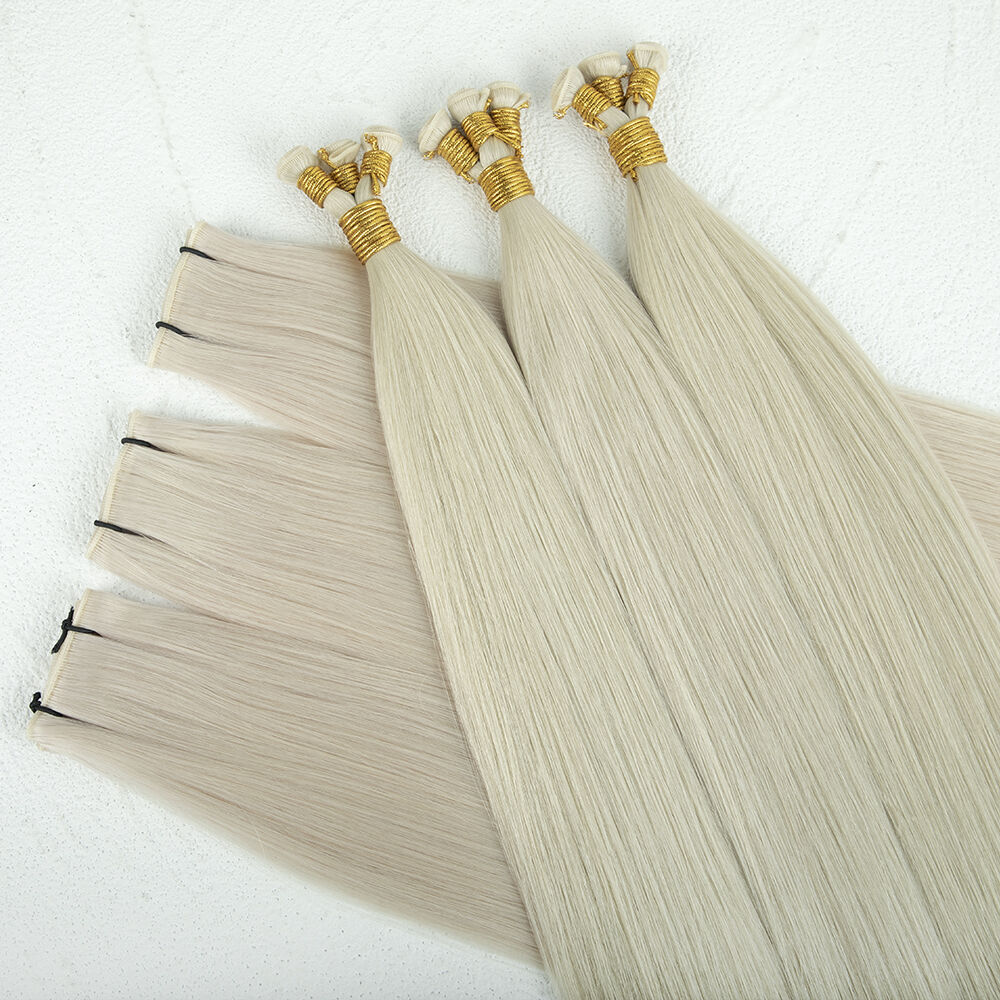
Professional retail brands in the hair extension industry require manufacturing partnerships that deliver consistent quality, scalable production capacity, and sophisticated customization options. Selecting a premium clip in hair manufacturer represents a strategic decision that directly impacts product differentiation, customer satisfaction, and brand reputation in an increasingly competitive marketplace. The right manufacturing partner provides not only superior hair extension products but also technical expertise, supply chain reliability, and the operational flexibility needed to respond to evolving market demands and consumer preferences.
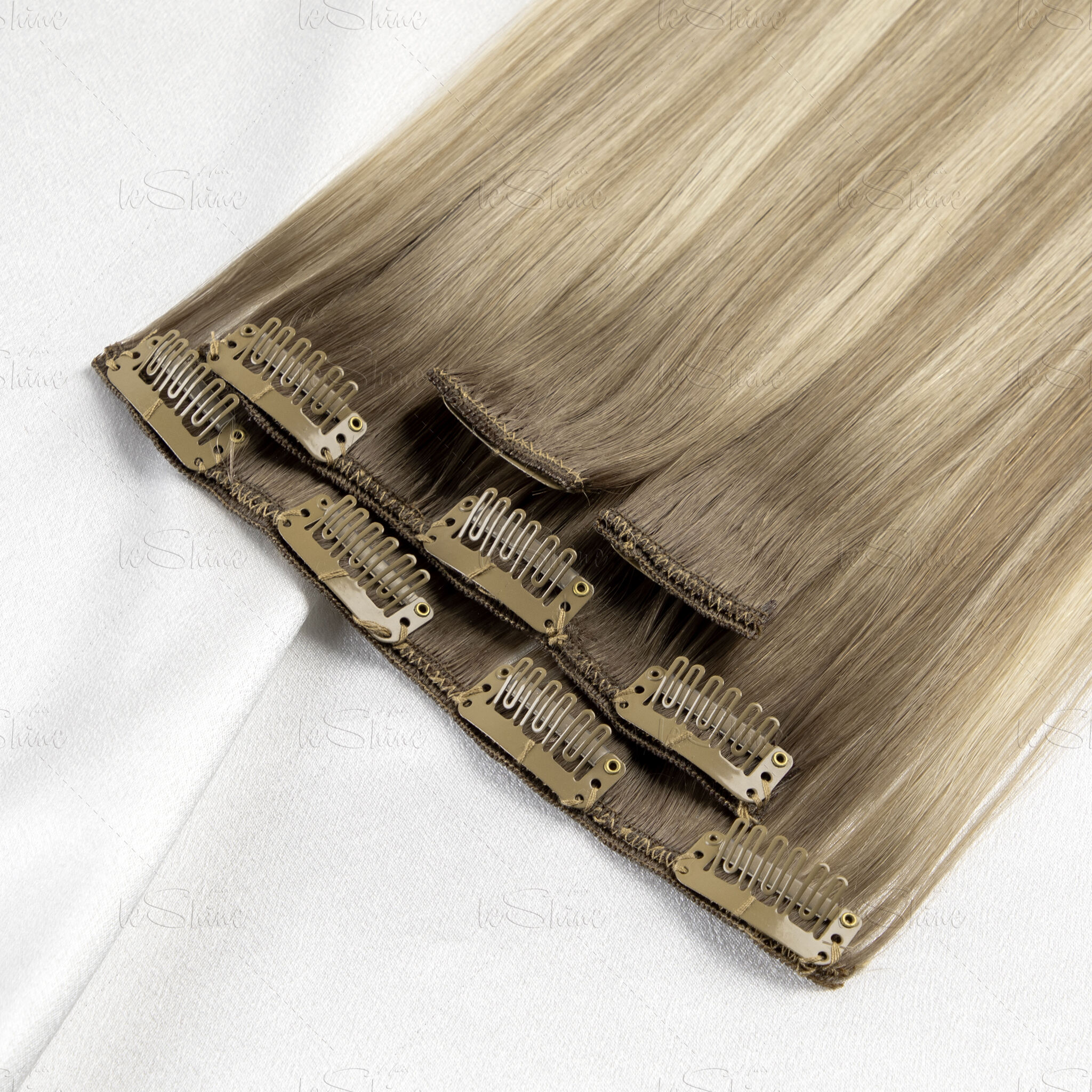
Establishing a relationship with a specialized clip in hair manufacturer enables retail brands to access advanced production technologies, quality assurance systems, and sourcing expertise that would be prohibitively expensive to develop internally. This partnership model allows brands to focus on their core competencies in marketing, customer service, and brand development while leveraging manufacturing specialization to deliver products that meet exacting professional standards. Understanding the key attributes that distinguish premium manufacturers from commodity suppliers is essential for retail brands seeking to build sustainable competitive advantages in the professional hair extension segment.
Manufacturing Excellence and Quality Control Systems
Raw Material Sourcing and Selection Standards
Premium clip in hair manufacturer operations begin with rigorous raw material selection processes that determine the fundamental quality of the finished product. Leading manufacturers establish direct sourcing relationships with verified hair suppliers, implementing multi-stage inspection protocols that evaluate hair origin, cuticle integrity, texture consistency, and processing history. This upstream quality control ensures that only hair meeting stringent specifications enters the production pipeline, eliminating substandard materials that compromise product performance and longevity.
The distinction between premium and standard manufacturing becomes immediately apparent in hair grading systems. Professional-grade clip in hair manufacturer facilities employ trained specialists who assess hair samples across multiple dimensions including shaft diameter uniformity, natural luster retention, tangling resistance, and color consistency. These specialists utilize both visual inspection and instrumental analysis to categorize hair into quality tiers, ensuring that retail brand specifications are matched with appropriate raw material grades that deliver the promised performance characteristics.
Production Process Standardization
Manufacturing consistency depends on standardized production protocols that eliminate process variation across production runs. A qualified clip in hair manufacturer implements documented procedures for every production stage, from initial hair cleaning and sanitization through final packaging and quality verification. These standard operating procedures specify precise parameters for chemical processing, thermal treatments, color application, and mechanical assembly, creating reproducible outcomes that maintain brand specifications regardless of production volume or timeline.
Advanced manufacturers integrate quality checkpoints throughout the production sequence, with inspection stations positioned at critical transformation stages. These inspection protocols verify that intermediate products meet established specifications before advancing to subsequent processing steps, preventing defect propagation and reducing waste. For retail brands, this systematic approach translates to predictable product quality, reduced rejection rates, and reliable delivery schedules that support inventory planning and customer commitments.
Testing and Validation Protocols
Professional clip in hair manufacturer facilities maintain comprehensive testing laboratories that validate product performance against both internal specifications and industry standards. These validation processes include mechanical testing of clip strength and durability, colorfastness assessment under various exposure conditions, tensile strength measurement of hair bonds, and longevity simulation through repeated washing and styling cycles. Testing data provides objective evidence of product quality and identifies potential performance issues before products reach retail channels.
Premium manufacturers also conduct comparative testing against benchmark products, generating performance data that helps retail brands understand competitive positioning. This analytical capability supports product development initiatives by identifying specific performance attributes that differentiate offerings in the marketplace. For brands targeting professional salon channels, access to detailed testing data and performance validation becomes a critical asset in building credibility with discerning professional stylists who demand evidence-based product claims.
Customization Capabilities and Product Development Support
Design Flexibility and Specification Accommodation
The ability to customize clip in hair extensions according to specific brand requirements separates premium manufacturers from basic production facilities. Leading clip in hair manufacturer operations offer extensive customization options spanning hair length, weight, texture pattern, color formulation, clip configuration, and attachment density. This design flexibility enables retail brands to create distinctive product lines that address specific market segments or customer preferences, establishing differentiation in markets where standardized products dominate.
Sophisticated manufacturers provide technical consultation during the specification development process, advising brands on the feasibility and implications of various design choices. This collaborative approach helps brands avoid specifications that create production challenges, quality compromises, or cost inefficiencies while identifying alternative approaches that achieve desired aesthetic or functional outcomes. The manufacturer's technical expertise becomes an extension of the brand's product development capabilities, accelerating time-to-market and reducing development risk.
Prototype Development and Iteration Support
Professional product development requires iterative refinement cycles where prototypes are evaluated, feedback is incorporated, and specifications are optimized. A premium clip in hair manufacturer supports this iterative process with responsive prototype production capabilities, quick turnaround times, and flexible adjustment protocols. This agility enables retail brands to test market response, gather professional stylist feedback, and refine products before committing to full production runs, reducing the risk of market rejection and inventory obsolescence.
The prototype development process also serves as a validation mechanism for production feasibility and cost projections. Working prototypes reveal potential manufacturing challenges that may not be apparent in conceptual designs, allowing brands and manufacturers to collaboratively problem-solve before production scaling. This collaborative problem-solving strengthens the manufacturing partnership and builds mutual understanding that facilitates more effective communication throughout the production relationship.
Color Matching and Customization Technologies
Color consistency represents one of the most challenging aspects of clip in hair manufacturing, particularly for brands offering extensive color ranges or custom color matching services. Premium clip in hair manufacturer facilities invest in advanced color formulation technologies, including spectrophotometric analysis systems, color database management platforms, and standardized application processes that ensure reproducible color outcomes. These technologies enable precise matching to brand color standards or customer-provided samples, delivering the consistency that professional applications demand.
Leading manufacturers maintain comprehensive color libraries with documented formulations for standard shades and the capability to develop custom colors for specific brand requirements. This color development expertise becomes particularly valuable for brands targeting diverse customer demographics with varying hair color characteristics or brands seeking to offer fashion colors and specialty shades that differentiate their product offerings. The manufacturer's color capabilities directly expand the brand's product range possibilities and market addressability.
Production Capacity and Scalability Considerations
Volume Flexibility and Order Accommodation
Retail brands experience variable demand patterns driven by seasonal fluctuations, promotional activities, and market growth trajectories. A professional clip in hair manufacturer demonstrates capacity flexibility through the ability to accommodate both minimum order quantities suitable for emerging brands and volume scaling that supports rapid growth. This scalability ensures that manufacturing partnerships can evolve with brand development, eliminating the need for disruptive manufacturer transitions as volumes increase.
Capacity flexibility also manifests in the manufacturer's ability to respond to urgent orders or demand surges without compromising quality or extending lead times excessively. Premium manufacturers maintain buffer capacity, establish relationships with qualified secondary suppliers for overflow situations, and implement production scheduling systems that prioritize according to customer requirements. For retail brands, this operational flexibility translates to reduced stockout risk, better inventory efficiency, and the ability to capitalize on unexpected market opportunities.
Lead Time Management and Delivery Reliability
Supply chain predictability directly impacts retail brand operations, affecting inventory costs, stockout frequency, and customer satisfaction. A reliable clip in hair manufacturer establishes realistic lead time commitments based on actual production capacity and fulfills these commitments consistently. This reliability enables brands to optimize inventory levels, reduce safety stock requirements, and improve cash flow management while maintaining service levels that meet customer expectations.
Premium manufacturers implement production tracking systems that provide visibility into order status throughout the manufacturing cycle. This transparency allows retail brands to anticipate delivery timing, communicate accurately with their customers, and coordinate logistics efficiently. When production delays occur, proactive communication enables contingency planning that minimizes disruption. The manufacturer's operational transparency and communication quality directly influence the brand's ability to manage its own supply chain effectively.
Geographic Presence and Logistics Infrastructure
Manufacturing location influences logistics costs, lead times, communication efficiency, and supply chain risk exposure. Premium clip in hair manufacturer operations consider geographic positioning as a strategic factor, with some manufacturers maintaining multiple production facilities to serve different regional markets or diversify risk. For retail brands operating internationally, manufacturer geographic presence affects landed costs, customs complexity, and the ability to serve different markets with appropriate lead times.
Leading manufacturers establish relationships with qualified logistics providers and customs brokers who specialize in international shipment of hair products, navigating the regulatory requirements and documentation procedures that vary across jurisdictions. This logistics expertise reduces administrative burden for retail brands and minimizes the risk of shipment delays or customs complications. The manufacturer's logistics capabilities become increasingly important as brands expand their geographic reach or implement direct-to-consumer shipping models that require different fulfillment approaches.
Business Partnership Attributes and Commercial Terms
Pricing Structure and Cost Transparency
Commercial viability requires clear understanding of cost structures and pricing mechanisms that govern the manufacturing relationship. A professional clip in hair manufacturer provides transparent pricing that clearly delineates base production costs, customization charges, tooling or setup fees, and volume-based pricing tiers. This transparency enables retail brands to conduct accurate margin analysis, develop viable pricing strategies, and make informed decisions about product specifications that balance market requirements with economic feasibility.
Premium manufacturers also provide cost guidance during product development, advising brands on the cost implications of various design choices and suggesting alternative approaches that achieve similar outcomes at different cost points. This consultative approach helps brands optimize the value equation for their target markets, ensuring that product specifications align with price positioning and target customer expectations. The manufacturer becomes a strategic partner in product strategy rather than simply a production vendor.
Intellectual Property Protection and Confidentiality
Product designs, proprietary formulations, and market strategies represent valuable intellectual property that retail brands must protect. A trustworthy clip in hair manufacturer implements robust confidentiality protocols, including non-disclosure agreements, restricted access to customer specifications, and segregated production processes that prevent cross-contamination of proprietary information. These protections ensure that brand investments in product development remain secure and competitive advantages are preserved.
Leading manufacturers also respect brand exclusivity arrangements for custom designs or proprietary features, contractually committing not to produce identical or substantially similar products for competing brands. This exclusivity protection enables brands to develop distinctive products that drive market differentiation without fear that manufacturing partners will commoditize these innovations by offering them to competitors. The strength of intellectual property protections directly influences a brand's willingness to invest in innovative product development with manufacturing partners.
Communication Systems and Relationship Management
Effective manufacturing partnerships require clear communication channels, responsive support systems, and proactive relationship management. Premium clip in hair manufacturer operations assign dedicated account managers or customer service representatives who understand individual brand requirements, maintain historical context, and facilitate efficient problem resolution. This personalized service approach reduces friction in the business relationship and ensures that brand concerns receive appropriate attention.
Leading manufacturers also invest in communication technologies that facilitate information exchange, including online portals for order placement and tracking, digital sample approval systems, and collaborative product development platforms. These technological capabilities improve communication efficiency, reduce errors associated with manual processes, and create documentation trails that support quality management and continuous improvement initiatives. The quality of communication infrastructure often correlates with overall manufacturing sophistication and operational excellence.
Certification Standards and Compliance Capabilities
Industry Certifications and Quality Management Systems
Formal certifications provide objective evidence of manufacturing capability and commitment to quality management. Professional clip in hair manufacturer facilities pursue relevant certifications such as ISO 9001 quality management systems, demonstrating adherence to internationally recognized standards for process control, documentation, and continuous improvement. These certifications signal organizational maturity and provide retail brands with confidence that manufacturing processes incorporate systematic quality management practices.
Beyond general quality management certifications, some manufacturers obtain product-specific certifications or comply with industry-specific standards relevant to hair products. These specialized certifications address concerns specific to cosmetic products, including safety testing, allergen management, and chemical exposure limits. For retail brands operating in regulated markets or serving institutional customers with procurement requirements, manufacturer certifications can determine vendor qualification and contract eligibility.
Ethical Sourcing and Social Compliance
Consumer awareness regarding ethical sourcing and labor practices increasingly influences purchasing decisions, particularly in premium market segments. Leading clip in hair manufacturer operations implement social compliance programs that ensure ethical labor practices, fair wages, safe working conditions, and responsible sourcing throughout their supply chains. These programs often include third-party audits and certifications that provide independent verification of compliance with ethical standards.
For retail brands, manufacturer social compliance capabilities address both ethical concerns and practical business risks. Brands operating in markets with strong consumer activism or stringent corporate social responsibility expectations face reputational risks from associations with manufacturers exhibiting questionable labor practices. Premium manufacturers mitigate these risks through transparent operations, documented compliance programs, and willingness to submit to third-party verification, enabling brands to confidently communicate their supply chain integrity to customers and stakeholders.
Product Safety and Regulatory Compliance
Hair extensions sold in consumer markets must comply with various safety regulations and product standards that vary across jurisdictions. A qualified clip in hair manufacturer maintains expertise in relevant regulatory requirements, including restrictions on chemical treatments, labeling requirements, safety testing protocols, and documentation standards. This regulatory knowledge ensures that products meet legal requirements for target markets, preventing costly product recalls, customs seizures, or regulatory sanctions.
Premium manufacturers also maintain product liability insurance and implement traceability systems that enable rapid response if safety concerns emerge. These risk management capabilities protect both the manufacturer and retail brand partners from potentially catastrophic liability exposures. For brands expanding into new geographic markets, manufacturer regulatory expertise and compliance infrastructure become critical enablers of market entry, reducing the complexity and risk associated with navigating unfamiliar regulatory environments.
FAQ
What minimum order quantities should retail brands expect from premium clip in hair manufacturers?
Minimum order quantities vary significantly based on manufacturer scale and product customization levels, typically ranging from 100 to 1000 units per style and color combination for established manufacturers. Premium clip in hair manufacturer facilities often demonstrate flexibility for emerging brands by offering lower minimums for initial orders or standard product lines, with expectations that volumes will increase as the brand relationship develops. Custom specifications, proprietary colors, or unique packaging generally require higher minimum quantities to justify setup costs and production efficiency. Brands should discuss volume projections and growth trajectories during manufacturer selection to ensure alignment between production minimums and realistic sales forecasts.
How do retail brands verify the quality standards of potential clip in hair manufacturer partners?
Quality verification begins with requesting product samples that demonstrate manufacturing capabilities across relevant specifications including hair quality, construction durability, color consistency, and finishing standards. Serious brands should conduct facility audits or virtual factory tours to observe production environments, quality control processes, and operational organization firsthand. Requesting references from current customers provides insights into reliability, communication quality, and problem resolution effectiveness. Additionally, brands should review any certifications, testing reports, or quality documentation the manufacturer provides. For significant partnerships, engaging third-party quality inspection services to conduct independent assessments provides objective validation of manufacturing capabilities before committing to large orders or long-term contracts.
What lead times are typical for production and delivery from international clip in hair manufacturers?
Standard production lead times for established product specifications typically range from three to six weeks from order confirmation to shipment departure, with additional transit time depending on shipping method and destination. Custom products or first-time orders generally require longer lead times of six to ten weeks to accommodate sample approval cycles, production setup, and quality verification processes. Premium clip in hair manufacturer operations that maintain inventory of standard components or semi-finished products may offer expedited production for rush orders at premium pricing. International shipping adds one to six weeks depending on whether brands choose air freight for speed or ocean freight for cost efficiency. Brands should factor customs clearance time, which varies by jurisdiction, and build appropriate safety stock to accommodate these combined lead times while maintaining service levels.
How should retail brands structure payment terms with clip in hair manufacturers to balance risk and cash flow?
Initial orders with new manufacturing partners typically require deposit payments of thirty to fifty percent upon order confirmation, with the balance due before shipment or upon delivery. As business relationships mature and trust develops, many premium clip in hair manufacturer partners extend more favorable terms such as net-thirty or net-sixty payment windows after delivery, improving brand cash flow dynamics. Letters of credit provide risk mitigation for both parties in international transactions, particularly for substantial orders where neither party has established credit history. Brands with strong growth trajectories and consistent order patterns may negotiate consignment arrangements or inventory financing programs with established manufacturers seeking to secure long-term business relationships. Payment term negotiations should balance manufacturer risk concerns with brand cash flow requirements while recognizing that more favorable terms typically require demonstrated reliability and volume commitments.
Table of Contents
- Manufacturing Excellence and Quality Control Systems
- Customization Capabilities and Product Development Support
- Production Capacity and Scalability Considerations
- Business Partnership Attributes and Commercial Terms
- Certification Standards and Compliance Capabilities
-
FAQ
- What minimum order quantities should retail brands expect from premium clip in hair manufacturers?
- How do retail brands verify the quality standards of potential clip in hair manufacturer partners?
- What lead times are typical for production and delivery from international clip in hair manufacturers?
- How should retail brands structure payment terms with clip in hair manufacturers to balance risk and cash flow?