 EN
EN
Hair thinning and volume loss affect millions of people worldwide, creating a significant demand for effective solutions that deliver immediate results. Weft hair extensions have emerged as one of the most popular and efficient methods for achieving fuller, thicker hair in a matter of hours rather than months or years. These versatile hair enhancement systems offer a transformative approach to addressing volume concerns while maintaining a natural appearance that seamlessly blends with existing hair texture and color.
The beauty industry has witnessed remarkable innovations in hair extension technology, with weft systems leading the charge in providing comprehensive volume solutions. Unlike traditional clip-in extensions that offer temporary enhancement, professional weft installations create a foundation for long-lasting thickness that can withstand daily styling routines. The strategic placement and secure attachment methods ensure that users can enjoy natural movement and versatility without compromising on durability or comfort throughout extended wear periods.
Understanding Different Types of Weft Hair Extensions
Machine Weft Technology and Construction
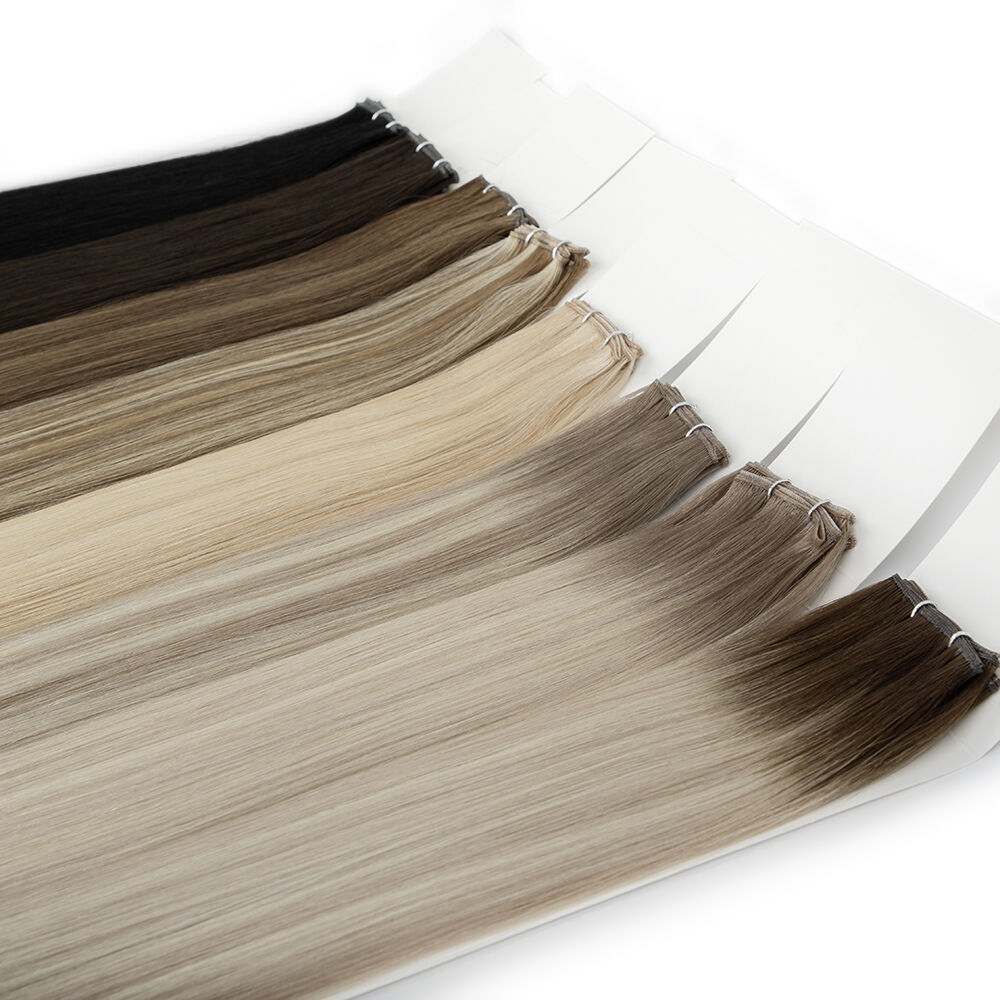
Machine weft extensions represent the most commonly utilized type in professional salons and home application scenarios. These extensions feature hair strands sewn together using industrial-grade machines that create a continuous, reinforced seam along the top edge. The machine stitching process ensures exceptional durability and prevents shedding during installation, styling, and daily maintenance routines.
The construction methodology involves precise alignment of hair fibers before the stitching process begins, ensuring uniform distribution and consistent thickness throughout each weft piece. Quality machine weft hair extensions utilize specialized threads that resist breaking under tension while maintaining flexibility for natural movement. This manufacturing approach allows for various width options, typically ranging from narrow strips for targeted volume enhancement to wider panels for comprehensive coverage across larger scalp areas.
Professional stylists often prefer machine weft systems because they offer predictable results and reliable performance across different hair types and textures. The standardized construction process ensures consistent quality control measures, making these extensions an excellent choice for clients seeking dependable thickness enhancement with minimal risk of technical complications during application or removal procedures.
Hand-Tied Weft Innovation and Benefits
Hand-tied weft extensions represent the pinnacle of craftsmanship in the hair extension industry, featuring individual hair strands meticulously woven together by skilled artisans. This labor-intensive process creates an exceptionally thin and flexible weft that lies completely flat against the scalp, eliminating the bulk and detection issues commonly associated with machine-sewn alternatives. The hand-tying technique allows for superior customization and precise control over hair distribution patterns.
The artisanal construction method enables craftspeople to adjust density variations within each weft section, creating natural-looking graduation that mimics the way hair naturally grows from the scalp. This attention to detail results in extensions that blend seamlessly with existing hair, making them virtually undetectable even under close inspection. Hand-tied wefts typically measure less than half the thickness of machine alternatives while maintaining superior strength and longevity characteristics.
Investment in hand-tied weft hair extensions often provides superior value over time due to their enhanced durability and reusability factors. These premium extensions can withstand multiple installations and removal cycles without compromising structural integrity, making them an economically sound choice for individuals committed to long-term hair enhancement solutions. The refined construction also reduces maintenance requirements and styling limitations compared to bulkier alternatives.
Optimal Hair Types and Textures for Weft Extensions
Fine Hair Compatibility and Considerations
Fine hair presents unique challenges when selecting appropriate weft extension systems, requiring careful consideration of weight distribution and attachment methods to prevent damage or discomfort. Individuals with fine hair textures benefit most from lightweight weft options that provide substantial volume without overwhelming delicate natural strands. The key lies in choosing extensions that complement rather than compete with existing hair characteristics while delivering the desired thickness enhancement results.
Professional stylists recommend hand-tied weft hair extensions for fine hair clients due to their minimal bulk and superior weight distribution properties. The ultra-thin construction allows for secure attachment without creating excessive tension on fragile hair follicles or causing premature breakage. Additionally, the flexibility of hand-tied systems enables natural movement that prevents the stiff, artificial appearance sometimes associated with heavier extension types on fine hair textures.
Proper sectioning and strategic placement become crucial factors when working with fine hair, as the natural hair must adequately conceal the attachment points while supporting the additional weight. Experienced professionals often recommend graduated installation approaches that build volume incrementally rather than attempting dramatic transformations that might overwhelm the existing hair structure or create visible demarcation lines between natural and extended sections.
Thick and Coarse Hair Integration Strategies
Thick and coarse hair types offer excellent foundations for weft extension installations, providing robust support structures that can accommodate various extension weights and attachment methods without experiencing stress or damage. These hair textures typically require more substantial weft systems to achieve noticeable thickness enhancement, as the existing hair volume may camouflage subtle additions effectively. The natural strength of coarse hair allows for versatile styling options and extended wear periods.
Machine weft extensions often perform exceptionally well with thick hair textures, as the slightly bulkier construction integrates seamlessly within the existing hair mass. The additional thickness actually helps create better blending between natural and extended sections, eliminating the risk of visible attachment lines that might occur with finer hair types. Coarse hair also provides superior grip for various attachment methods, ensuring secure installation and reduced risk of slippage during daily activities.
Styling versatility becomes a significant advantage when working with thick hair and quality weft extensions, as the robust foundation supports elaborate updos, tight ponytails, and aggressive brushing without compromising the integrity of either natural or extended hair. This combination allows for creative styling possibilities that might be limited or impossible with more delicate hair textures, making weft hair extensions an ideal choice for individuals seeking both volume enhancement and styling flexibility.
Professional Installation Techniques and Methods
Sew-In Weft Application Procedures
Sew-in weft installation represents the most secure and long-lasting attachment method available for hair extensions, involving the creation of horizontal braided tracks that serve as anchor points for weft placement. This technique requires advanced skill and precision to ensure even distribution and natural-looking results while maintaining scalp comfort throughout the wearing period. Professional stylists begin by sectioning the hair into precise horizontal patterns that accommodate the planned weft placement strategy.
The braiding process involves creating tight, flat cornrows that lie smoothly against the scalp surface, providing stable foundations for weft attachment. Each braid must maintain consistent tension to prevent loose areas that could compromise extension security while avoiding excessive tightness that might cause discomfort or hair damage. The spacing between braided tracks determines the final thickness distribution and natural appearance of the completed installation.
Actual weft attachment utilizes specialized curved needles and professional-grade thread designed specifically for hair extension applications. Stylists sew each weft section directly onto the prepared braided tracks using techniques that distribute stress evenly across the attachment points. This method creates virtually undetectable installations that can last several months with proper care and maintenance, making it ideal for clients seeking long-term volume solutions with minimal daily maintenance requirements.
Quality sew-in installations require periodic adjustment appointments to accommodate natural hair growth and maintain optimal appearance and comfort levels. Professional stylists typically recommend maintenance sessions every six to eight weeks, during which they can tighten loose areas, reposition shifted wefts, and assess the overall condition of both natural and extended hair. This ongoing professional support ensures optimal performance and longevity from weft hair extensions while protecting the client's natural hair health.
Tape-In Weft Systems and Applications
Tape-in weft systems offer a revolutionary approach to hair extension installation, utilizing medical-grade adhesive strips that create secure bonds without requiring sewing, weaving, or heat application. This innovative attachment method significantly reduces installation time while providing secure hold that can last several weeks with proper care and maintenance. The tape-in process involves sandwiching thin sections of natural hair between two adhesive-backed weft pieces, creating seamless integration points.
The adhesive technology used in professional tape-in systems features specialized formulations designed to maintain strong bonds while remaining gentle on natural hair and scalp tissue. These advanced adhesives resist moisture, heat, and styling product buildup while allowing for easy removal when replacement becomes necessary. The transparent tape strips remain virtually invisible when properly applied, ensuring natural-looking results even with shorter hair lengths or updos that might expose attachment areas.
Installation speed represents a significant advantage of tape-in weft hair extensions, with complete transformations possible in under two hours depending on the desired coverage area and complexity. This efficiency makes tape-in systems ideal for busy professionals or special event preparations where time constraints limit other installation options. The reduced time investment also typically translates to lower service costs compared to more labor-intensive sew-in applications while delivering comparable volume enhancement results.
Maintenance and Care Requirements
Daily Care Routines and Best Practices
Establishing proper daily care routines ensures optimal performance and longevity from weft hair extensions while protecting both natural and extended hair from damage or premature deterioration. Morning care begins with gentle brushing using specialized extension brushes designed to glide through hair without snagging or pulling on attachment points. Starting from the ends and working upward prevents excessive tension on weft connections while detangling any overnight formation of knots or tangles.
Nighttime preparation involves creating protective styles that minimize friction and tangling during sleep periods. Loose braids, silk scarves, or satin pillowcases help reduce friction that can cause matting or stress on extension attachments. Avoiding tight ponytails or clips near attachment areas prevents unnecessary tension that could compromise weft security or cause discomfort during rest periods. These simple precautions significantly extend the lifespan of weft installations while maintaining appearance quality.
Product selection plays a crucial role in maintaining healthy weft hair extensions, with sulfate-free shampoos and lightweight conditioners providing optimal cleansing without stripping natural oils or causing product buildup. Heavy styling products should be applied sparingly and primarily to mid-length and end sections to avoid accumulation near attachment points that could compromise adhesive bonds or create visible residue. Regular deep conditioning treatments help maintain moisture balance and prevent dryness or brittleness in extended hair sections.
Professional Maintenance Scheduling
Professional maintenance appointments serve as essential components of successful long-term weft extension programs, providing opportunities for expert assessment and adjustment of installation elements. Scheduling these sessions every six to eight weeks allows stylists to address natural hair growth patterns that may affect weft positioning and security. During maintenance visits, professionals can reposition shifted extensions, tighten loose attachments, and evaluate the overall condition of both natural and extended hair components.
Maintenance sessions also provide opportunities for professional deep cleaning and conditioning treatments that remove product buildup and restore optimal moisture balance throughout the hair system. Stylists can identify potential issues before they become problematic, such as excessive tangling, color fading, or attachment weakness that might lead to premature failure. This proactive approach helps maximize the investment value of quality weft hair extensions while ensuring consistent appearance and performance standards.
Professional maintenance visits enable style updates and adjustments that keep the overall look fresh and current with changing fashion trends or personal preferences. Stylists can trim and shape extended sections to maintain uniformity with natural hair growth, adjust layering for improved blending, and provide color touch-ups when necessary. This ongoing professional support ensures that weft extensions continue delivering optimal results throughout their intended lifespan while protecting the health and integrity of natural hair underneath.
Choosing the Right Weft System for Your Needs
Lifestyle Compatibility Assessment
Lifestyle factors play determining roles in selecting appropriate weft extension systems that align with individual daily routines, activity levels, and maintenance preferences. Active individuals who participate in regular exercise, swimming, or outdoor activities require more durable attachment methods that can withstand moisture, perspiration, and physical movement without compromising security or appearance. Sew-in weft installations typically offer superior durability for high-activity lifestyles compared to temporary attachment methods.
Professional commitments and workplace environments also influence optimal weft selection decisions, with conservative settings potentially requiring more subtle enhancement approaches that maintain natural appearance under scrutiny. Hand-tied weft hair extensions excel in professional environments due to their undetectable construction and natural movement characteristics that withstand close inspection during presentations, meetings, or client interactions without revealing artificial enhancement elements.
Time availability for maintenance and styling represents another crucial lifestyle consideration, as different weft systems require varying levels of daily care and professional maintenance frequency. Busy schedules may favor lower-maintenance options like quality tape-in systems that offer convenience without sacrificing performance, while individuals with flexible schedules might prefer the superior longevity and versatility of professionally sewn installations that require more extensive care routines.
Budget Considerations and Value Analysis
Investment analysis for weft extension systems extends beyond initial purchase prices to encompass long-term value factors including durability, reusability, and maintenance costs over extended wearing periods. Premium hand-tied weft hair extensions typically command higher upfront investments but often provide superior value through extended lifespan, multiple reuse cycles, and reduced replacement frequency compared to lower-cost alternatives that may require frequent replacement or professional correction.
Installation costs vary significantly based on chosen attachment methods and required professional expertise, with sew-in applications generally commanding premium pricing due to time and skill requirements. However, the extended wear duration of sewn installations often results in lower cost-per-wear calculations compared to frequently replaced temporary systems. Comprehensive budget planning should account for initial installation, periodic maintenance, professional removal, and potential reinstallation costs throughout the intended usage period.
Quality considerations directly impact long-term value propositions, as premium weft hair extensions constructed from superior materials and manufacturing processes typically deliver better performance, appearance, and durability than budget alternatives. Investing in quality systems from reputable manufacturers often prevents costly corrections, premature replacements, or potential damage to natural hair that might result from inferior products or improper installation techniques. This quality-focused approach usually proves more economical over extended timeframes while ensuring optimal satisfaction and results.
FAQ
How long do weft hair extensions typically last before replacement
Weft hair extensions duration depends on several factors including installation method, hair quality, maintenance routine, and individual lifestyle factors. Sew-in weft installations typically last between eight to twelve weeks before requiring professional removal and potential reinstallation, while tape-in systems generally need replacement every six to eight weeks. High-quality human hair wefts can often be reused multiple times with proper care, making them more economical than synthetic alternatives that typically require complete replacement after each wearing cycle. Premium hand-tied weft hair extensions may last longer than machine alternatives due to superior construction and durability characteristics.
Can weft extensions damage natural hair during installation or removal
Professional installation and removal of weft extensions should not cause damage to healthy natural hair when performed correctly by experienced stylists. Damage typically occurs from improper installation techniques, excessive tension during attachment, or aggressive removal methods that stress hair follicles beyond their natural limits. Choosing qualified professionals who understand proper sectioning, tension distribution, and gentle removal techniques significantly reduces damage risks. Additionally, maintaining realistic expectations about hair condition and avoiding installations on severely damaged or chemically compromised hair helps prevent complications and ensures optimal results with minimal risk to natural hair health.
What hair textures work best with different weft extension types
Hair texture compatibility varies significantly between different weft extension systems, with fine hair typically performing best with lightweight hand-tied options that minimize bulk and weight stress. Medium-density hair offers versatility for both machine and hand-tied weft hair extensions, allowing for various attachment methods based on desired results and maintenance preferences. Thick or coarse hair textures can successfully support heavier machine weft systems while also benefiting from the superior blending characteristics of hand-tied alternatives. Curly or textured hair often requires specialized matching and installation techniques to achieve natural-looking integration regardless of chosen weft type.
How often should professional maintenance appointments be scheduled for weft extensions
Professional maintenance frequency depends on natural hair growth rate, chosen attachment method, and individual lifestyle factors that affect weft positioning and security over time. Most stylists recommend maintenance appointments every six to eight weeks for optimal performance and appearance, though some clients may require adjustments sooner based on rapid hair growth or active lifestyles. Tape-in systems typically need more frequent attention than sewn installations due to adhesive bond limitations and natural loosening over time. Regular maintenance prevents minor issues from becoming major problems while ensuring continued comfort, security, and natural appearance throughout the wearing period. Skipping recommended maintenance appointments often results in more extensive corrections or potential damage that could have been prevented with timely professional attention.