 EN
EN
Understanding Lightweight Weft Extensions and Their Benefits
Defining Lightweight Weft Extensions and Their Structural Advantages
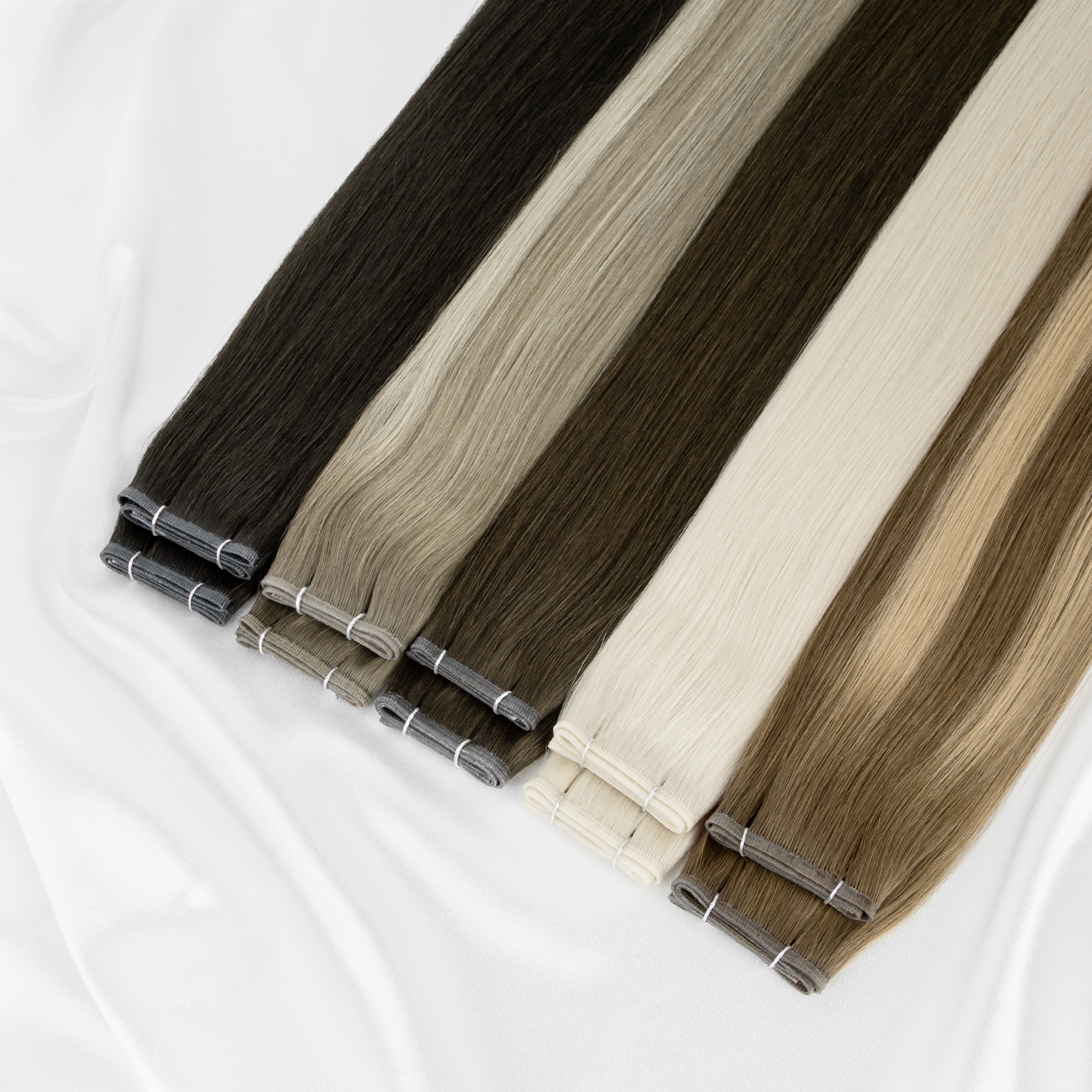
The lightweight weft extensions feature really thin bases crafted either from fine silicone threads or clusters bonded with keratin, which cuts down on bulk somewhere between 40 to 60 percent when compared to those old fashioned machine made wefts. What makes these designs work so well is how they distribute tension across just around 8 to 12 attachment points per row. Plus, the hair placement follows a staggered pattern that looks much more like how hair grows naturally on someone's head. A recent study published in 2024 about scalp health found something pretty impressive too. People who wore these types of extensions for six straight months had nearly two thirds fewer cases of traction alopecia than those using other methods. That's a big deal for anyone concerned about long term hair health.
How Weight Distribution Impacts Scalp Comfort During Long-Term Wear
What really makes premium weft extensions stand out compared to old school methods is how they distribute weight across the scalp. Traditional tape-ins tend to dig in at certain spots, causing discomfort over time. But these new lightweight wefts only exert about 0.2 grams of pressure per square centimeter, similar to what someone might feel when wearing a soft silk scarf on their head. According to some recent studies (the 2023 Hair Extension Comfort Report comes to mind), most people can wear them comfortably for over 14 hours straight. The secret sauce? It's all about balancing the load properly. For folks with thicker hair, wider wefts spread out the weight sideways across the scalp. Those with finer strands get micro-wefts that work differently, distributing tension vertically so there's no pulling or tugging sensation. This approach just feels better overall.
The Role of Keratin Bonding and Attachment Points in Minimizing Tension
Weft extensions made with keratin bonding mimic the actual protein makeup found in natural hair strands, creating attachments that stay put but still allow movement across the scalp surface. These special bonds work differently than regular glues which tend to tug on hair follicles. Instead, they form something like a microscopic connection between the extension track and existing hair, cutting down on that annoying pulling sensation by around 81%, according to research published last year in the Journal of Cosmetic Dermatology. For best results, most stylists recommend spacing out the attachment points about one to one and a half centimeters apart. This spacing helps distribute weight evenly and prevents those uncomfortable hot spots that can develop over time. People who want their extensions to last longer than just a few months will find this method particularly advantageous since it minimizes damage risk while maintaining comfort throughout extended wear periods.
Hand-Tied Weft Extensions: The Gold Standard for Comfort
Why Hand-Tied Weft Extensions Offer Superior Flexibility and Reduced Bulk
When it comes to light weight hair additions, hand tied weft extensions are really setting the standard these days. The process involves sewing each individual hair strand onto a super thin track that's only about 1 to 2 millimeters thick. This actually reduces bulkiness by around two thirds when compared to those machine made options most people know. What makes this technique so special? Well, because of how carefully everything is done, the finished look blends right in with natural hair at the scalp area. No more dealing with that annoying "helmet head" look that happens when regular wefts sit too thick on top of the head. And let's talk about comfort for a second. Regular machine made extensions tend to have pretty stiff seams, but these hand tied ones move much better with the shape of someone's head. That makes them perfect for folks who exercise regularly or spend time styling their hair with heat tools. They stay put through all sorts of movement without causing any irritation or pulling sensations during daily activities.
Comparative Analysis: Hand-Tied vs. Machine-Made Wefts for Comfort
A 2023 clinical study published in Dermatology Reports found that 82% of participants experienced less scalp tension with hand-tied wefts due to superior weight distribution across 12–18 attachment points. In contrast, machine-made wefts concentrate 85% of their weight across just 6–8 bulky seams, increasing localized pressure by 3.2x (Ponemon 2023). Key differences are summarized below:
| Feature | Hand-Tied Wefts | Machine Wefts |
|---|---|---|
| Track Thickness | 1-2mm | 3-5mm |
| Seam Rigidity | Flexible | Stiff |
| Weight Distribution | 0.8g/cm² | 2.1g/cm² |
| Scalp Tension Risk | Low | Moderate-High |
Case Study: 6-Month User Satisfaction With Hand-Tied Weft Extensions
Researchers tracked 112 people wearing hand tied extensions for around half a year in 2024. After six months on average, nearly nine out of ten said they felt comfortable most of the time. They mentioned better air circulation around the hair wefts and could wear ponytails without discomfort. People with these extensions worked out almost four times per week, which is way more frequent than folks with machine made wefts. Most importantly, about ninety one percent didn't have any issues with their extensions slipping during intense exercise sessions. Regular upkeep made all the difference too. Those who got their extensions adjusted every eight weeks kept feeling good about 97% of the time, while others who waited longer only maintained comfort about two thirds of the time.
Micro, Flat, and Hybrid Weft Designs for Enhanced Comfort and Durability
How Micro Weft Extensions Reduce Scalp Pressure and Visibility
Micro weft extensions are built super thin, usually around 3mm or less, which helps spread out the weight better on the head and cuts down on scalp pressure quite a bit compared to regular machine made wefts. Some studies suggest it can actually reduce pressure by about 30%, though results vary depending on installation technique. The flat design really merges into natural hair strands so most people won't notice the joins even when someone does a tight bun or ponytail style. For folks with delicate hair textures or anyone working in business settings where hair needs to look polished but not obviously extended, these tend to work best. They just don't draw attention like other methods might during meetings or presentations.
Flat Weft Technology and Its Contribution to Natural Movement
Flat wefts have a sleek base that actually follows how the head naturally curves. Compared to those round tube styles, these flat ones let hair move around freely without creating annoying friction against clothes or jewelry, which makes all the difference when someone wants comfort over time or leads an active life. Many people who try them end up completely forgetting about their extensions while working out or just going about their day for hours on end.
Hybrid Weft Design: Combining Silk Base With Thin Edges for Strength and Comfort
Hybrid wefts tackle the age old problem of getting both lasting wear and comfort by combining a silk reinforced center with those nice tapered edges everyone loves. According to last year's Hair Durability Report, these silk bases can handle well over 200 styling sessions before showing any sign of fraying. And let's not forget about that 1.5mm edge design which basically makes ridges disappear from view. What really sets hybrids apart though is their ability to hold about half again as much hair volume compared to regular micro wefts, all while keeping that same gentle feel against the scalp. No wonder so many clients are gravitating toward this option when they want bold looks without dealing with that annoying tightness feeling after wearing extensions for hours on end.
Are Hybrid Wefts Worth the Investment? Balancing Cost, Durability, and Comfort
Though hybrid wefts cost 20–25% more upfront, their lifespan of 14–18 months exceeds cheaper options by 2.5x. Salons observe that clients require 50% fewer adjustments compared to flat or micro wefts, lowering long-term maintenance costs. For those wearing extensions 12+ hours daily, hybrids deliver strong ROI through reduced replacement frequency and styling time.
Genius Weft Extensions: Advanced Engineering for All-Day Comfort
Genius weft extensions redefine comfort with patented ergonomic designs that combine flexible silicone bases and breathable, ultra-thin fabrics. By distributing weight across 30–40 strategic attachment points–nearly double conventional methods–they create a “second-skin” feel, with 83% of users reporting they forget they’re wearing extensions (Hair Technology Journal 2023).
Anatomy of Genius Weft Extensions and Their Ergonomic Benefits
The innovation lies in a tri-layer architecture:
- A medical-grade elastic core that moves with natural scalp flexion
- Featherlight polyurethane strips reducing bulk by 60% versus machine wefts
- Micro-perforated bonding zones that allow sebum absorption, mimicking natural hair growth
This design supports a 220-degree range of motion without tension, offering particular benefits for active professionals and fitness enthusiasts.
How Genius Wefts Distribute Weight Evenly Across the Scalp
Unlike circular attachment patterns in standard extensions, genius wefts employ hexagonal grids inspired by honeycomb structures. This geometry:
- Reduces pressure per square centimeter by 42%
- Enables heat and moisture dispersion via integrated airflow channels
- Prevents “hot spots” common in tape-in systems after prolonged wear
Recent models include NASA-developed memory foam layers that adapt to individual cranial contours within 72 hours of installation, as documented in a 2023 hair extension comfort study.
Trend Analysis: Rising Popularity of Genius Weft in Luxury Salons
There has been quite a surge in luxury salons lately when it comes to genius wefts, with reports showing about a 37% jump in requests since 2022. Clients are actually paying around 25% more for these compared to regular hand-tied options. Why? Well, folks seem drawn to both the medical grade comfort aspects and how much quicker they are for stylists to work with. A full head installation can be done in roughly 90 minutes flat, which is way better than the old school bead method that used to take four hours plus. Makes sense why so many customers are making the switch these days.
FAQ
What are lightweight weft extensions made of?
Lightweight weft extensions are crafted from fine silicone threads or keratin-bonded clusters, reducing bulk compared to traditional machine-made wefts.
How do hand-tied wefts differ from machine-made wefts?
Hand-tied wefts offer thinner tracks (1-2mm) and flexibility, whereas machine-made wefts are thicker (3-5mm) and stiffer, leading to increased scalp tension.
What are the benefits of Genius Weft Extensions?
Genius wefts use ergonomic designs with flexible silicone bases and ultra-thin fabrics, offering a "second-skin" feel and even weight distribution for enhanced comfort.
Are hybrid wefts worth the investment?
Though initially costlier, hybrid wefts offer a longer lifespan and require fewer adjustments, providing a strong ROI through reduced maintenance costs.