 EN
EN

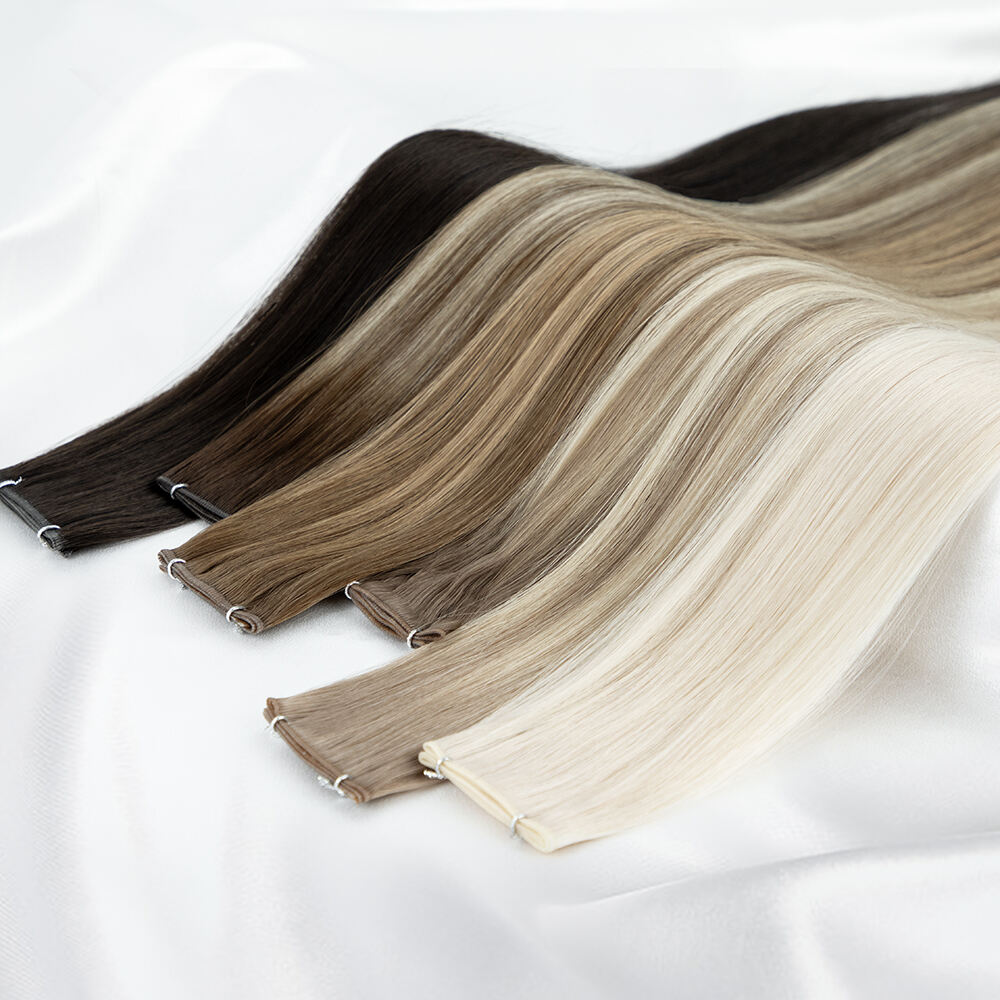
Building a successful wholesale hair business requires strategic sourcing of premium hair weft products that meet the demanding standards of today's beauty industry. The quality of your hair weft inventory directly impacts customer satisfaction, brand reputation, and long-term business growth. Professional salon owners, beauty retailers, and distributors must understand the intricate process of identifying, evaluating, and procuring superior hair weft products that deliver exceptional performance and value to end consumers.
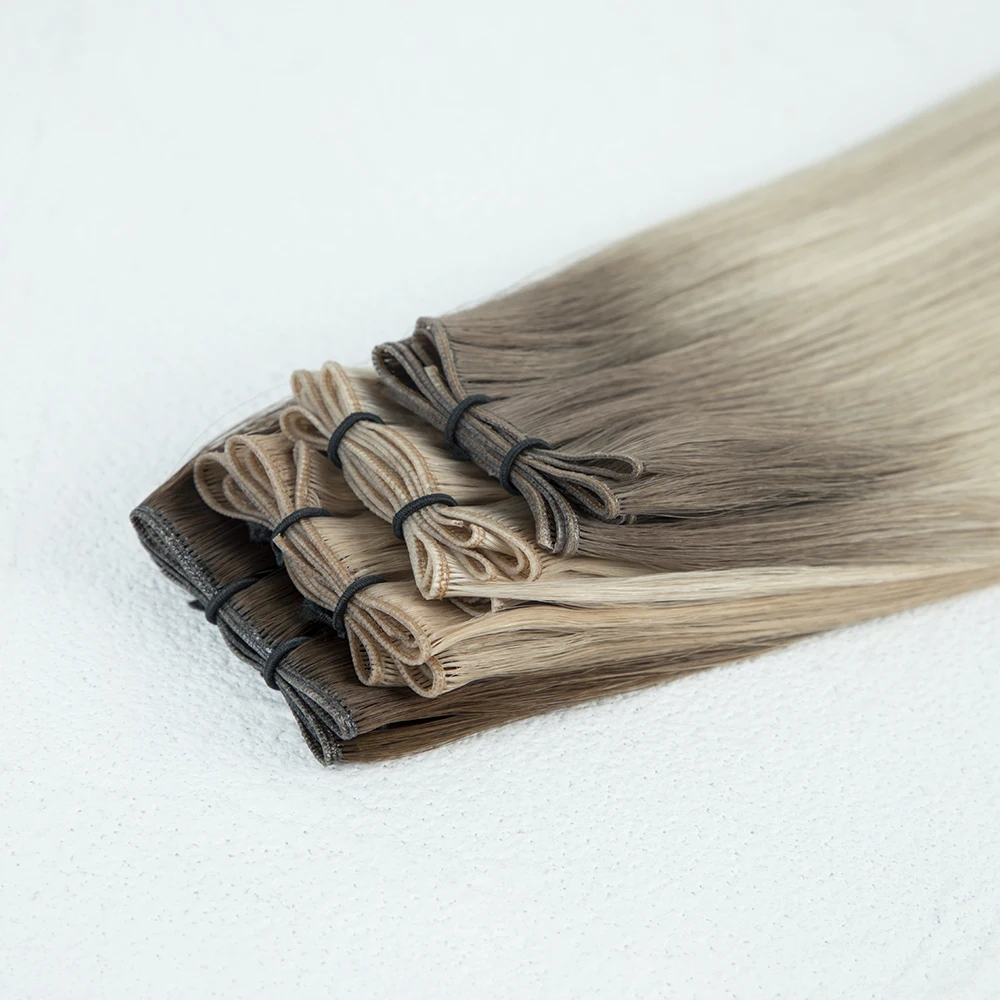
The global hair extension market continues expanding rapidly, with wholesale buyers seeking reliable suppliers who can provide consistent quality, competitive pricing, and innovative hair weft solutions. Understanding market dynamics, manufacturing processes, and quality assessment criteria becomes essential for establishing profitable partnerships with reputable manufacturers. This comprehensive guide explores proven strategies for sourcing exceptional hair weft products while building sustainable relationships with trusted suppliers in the competitive beauty industry.
Understanding Hair Weft Quality Standards
Construction Methods and Durability
Premium hair weft construction involves sophisticated techniques that ensure longevity and natural appearance. Machine-sewn hair weft typically features reinforced stitching patterns that prevent shedding while maintaining flexibility for comfortable wear. Hand-tied hair weft represents the pinnacle of craftsmanship, offering superior durability and seamless integration with natural hair textures.
Professional manufacturers employ specialized equipment to create consistent weft patterns that distribute hair evenly across the base. The quality of thread materials, stitching density, and finishing techniques directly influence the overall performance of hair weft products. Evaluating construction methods helps wholesale buyers identify suppliers capable of delivering reliable, long-lasting extensions that satisfy demanding customers.
Hair Origin and Processing Standards
Single-donor hair represents the highest quality standard for hair weft manufacturing, ensuring consistent texture, color matching, and chemical processing compatibility. Ethical sourcing practices guarantee that raw materials meet international quality standards while supporting sustainable supply chain management. Virgin hair processing techniques preserve natural cuticle alignment, resulting in superior shine, manageability, and longevity.
Double-drawn hair weft processing removes shorter strands to create uniform length distribution, producing fuller, more luxurious extensions. Chemical treatment protocols must balance color customization with hair integrity preservation. Wholesale buyers should prioritize suppliers who maintain transparent sourcing documentation and adhere to strict quality control measures throughout the manufacturing process.
Supplier Evaluation and Selection Criteria
Manufacturing Capabilities Assessment
Evaluating potential suppliers requires comprehensive assessment of production facilities, quality control systems, and technical expertise. Modern hair weft manufacturers should demonstrate advanced processing equipment, climate-controlled storage facilities, and systematic quality testing protocols. Production capacity analysis ensures suppliers can meet wholesale volume requirements while maintaining consistent quality standards.
Certification requirements include ISO quality management standards, ethical sourcing documentation, and product safety compliance. Visiting manufacturing facilities provides valuable insights into operational efficiency, worker conditions, and quality control implementation. Establishing clear communication channels and technical support capabilities ensures smooth collaboration throughout the business relationship.
Product Range and Customization Options
Successful suppliers offer comprehensive hair weft collections that address diverse market segments and customer preferences. Color matching services, texture variations, and length options enable retailers to serve broader customer bases effectively. Custom packaging solutions, private labeling capabilities, and marketing support materials add significant value for wholesale partnerships.
Innovation capacity demonstrates supplier commitment to market leadership and competitive advantage. Advanced processing techniques, sustainable manufacturing practices, and emerging technology integration position forward-thinking suppliers as preferred long-term partners. Evaluating research and development investments helps identify suppliers capable of supporting business growth and market expansion initiatives.
Quality Control and Testing Protocols
Physical Inspection Standards
Comprehensive quality assessment begins with systematic physical inspection of hair weft samples using established industry standards. Texture consistency, color uniformity, and construction integrity require detailed evaluation before confirming wholesale orders. Professional buyers should examine stitching quality, hair distribution patterns, and base material durability to ensure products meet performance expectations.
Shedding tests simulate normal wear conditions to evaluate hair retention and weft durability over extended periods. Tangling resistance assessments determine manageability and styling versatility for end users. Chemical processing compatibility testing ensures extensions maintain integrity when exposed to professional salon treatments and styling products.
Performance and Longevity Testing
Laboratory testing protocols evaluate hair weft performance under controlled conditions that simulate real-world usage scenarios. Tensile strength measurements assess construction durability and resistance to mechanical stress. Colorfastness testing ensures extensions maintain appearance consistency when exposed to washing, heat styling, and environmental factors.
Accelerated aging tests predict long-term performance characteristics and help establish realistic product lifespan expectations. Chemical resistance evaluations determine compatibility with professional treatments, ensuring extensions maintain quality throughout their intended usage period. Documentation of testing results provides valuable marketing materials and customer assurance for retail applications.
Pricing Strategies and Cost Management
Market Price Analysis and Competitive Positioning
Effective pricing strategies require comprehensive understanding of market dynamics, competitor positioning, and customer value perceptions. Hair weft pricing varies significantly based on origin, processing quality, and construction methods. Premium single-donor products command higher prices but offer superior profit margins and customer satisfaction rates.
Volume purchasing agreements provide opportunities for significant cost reductions while ensuring consistent supply availability. Negotiating favorable payment terms, shipping arrangements, and exclusivity agreements enhances overall profitability. Market research identifies optimal price points that balance competitive positioning with sustainable profit margins.
Total Cost of Ownership Considerations
Beyond initial purchase prices, wholesale buyers must evaluate comprehensive cost structures including shipping, customs duties, storage requirements, and handling expenses. Quality issues resulting in returns, exchanges, or customer complaints create hidden costs that impact overall profitability. Investing in premium hair weft products often reduces total cost of ownership through improved customer satisfaction and reduced support requirements.
Currency fluctuations, seasonal demand variations, and supply chain disruptions affect pricing stability and inventory management strategies. Establishing long-term supplier relationships provides pricing predictability and supply security advantages. Risk mitigation strategies include diversified supplier portfolios and flexible ordering arrangements that accommodate market uncertainties.
Building Successful Supplier Relationships
Communication and Partnership Development
Sustainable wholesale relationships require clear communication protocols, mutual understanding of expectations, and collaborative problem-solving approaches. Regular supplier meetings facilitate continuous improvement initiatives and address emerging market opportunities. Transparent feedback mechanisms help suppliers optimize product offerings and service delivery.
Cultural sensitivity and professional respect strengthen international business relationships and improve collaboration effectiveness. Language barriers, time zone differences, and business practice variations require careful management to maintain productive partnerships. Investment in relationship building pays dividends through preferential treatment, exclusive opportunities, and enhanced support services.
Performance Monitoring and Continuous Improvement
Systematic supplier performance evaluation ensures consistent quality delivery and identifies opportunities for optimization. Key performance indicators include on-time delivery rates, quality compliance scores, and customer satisfaction metrics. Regular performance reviews provide platforms for addressing concerns and recognizing exceptional performance.
Collaborative improvement initiatives benefit both parties through enhanced efficiency, reduced costs, and improved market competitiveness. Sharing market insights, customer feedback, and industry trends helps suppliers develop better products and services. Joint marketing efforts and co-branding opportunities create additional value for both wholesale buyers and manufacturing partners.
FAQ
What factors determine hair weft quality and pricing?
Hair weft quality depends on several critical factors including hair origin, processing methods, construction techniques, and manufacturing standards. Single-donor virgin hair represents the highest quality tier, commanding premium prices due to superior consistency and performance characteristics. Processing techniques such as double-drawing, cuticle alignment, and chemical treatment protocols significantly impact final product quality and market value.
How can wholesale buyers verify supplier authenticity and reliability?
Verifying supplier credibility requires comprehensive due diligence including business registration verification, manufacturing facility inspection, and reference checking with existing clients. Professional certifications, quality management system compliance, and trade association memberships indicate established business practices. Sample evaluation, trial orders, and gradual relationship building help assess supplier reliability before committing to significant volume purchases.
What minimum order quantities should wholesale buyers expect?
Minimum order quantities vary significantly based on supplier size, product complexity, and customization requirements. Established manufacturers typically require minimum orders ranging from 100 to 1000 pieces per style and color combination. Hair weft products with specialized features such as hand-tied construction or custom colors may have higher minimum order thresholds. Negotiating favorable minimum quantities often requires commitment to long-term purchasing agreements.
How long does typical hair weft manufacturing and delivery take?
Production timelines for hair weft orders typically range from 15 to 45 days depending on order complexity, customization requirements, and manufacturer capacity. Standard products from existing inventory ship within 3-7 days, while custom colors or specialized construction methods require extended production periods. International shipping adds 7-14 days for delivery, with expedited options available at additional cost for urgent requirements.