 EN
EN

The global hair extension market continues to expand rapidly, with businesses seeking reliable suppliers who can deliver high-quality products consistently. When operating in the B2B space, selecting the right hair extension wefts becomes crucial for maintaining customer satisfaction and business profitability. Understanding the key factors that distinguish premium wefts from inferior alternatives will help business owners make informed purchasing decisions that drive long-term success.
Understanding Hair Extension Weft Quality Standards
Material Composition and Sourcing
The foundation of exceptional hair extension wefts lies in the quality of raw materials used during manufacturing. Premium wefts typically utilize 100% human hair sourced from single donors, ensuring consistency in texture, color, and overall appearance. Virgin hair, which has never been chemically processed, represents the highest quality tier available in the market. These materials maintain their natural cuticle alignment, resulting in reduced tangling and extended product lifespan.
Remy hair represents another excellent option for businesses seeking quality without the premium price point of virgin hair. This category includes hair that has been minimally processed while maintaining proper cuticle direction. When evaluating suppliers, request detailed information about their sourcing practices and quality control measures to ensure consistent product standards across all orders.
Construction Methods and Durability
The weft construction method significantly impacts the final product's durability and performance characteristics. Machine-sewn wefts offer superior strength and longevity, making them ideal for businesses serving clients who require long-wearing extensions. These wefts feature tight, secure stitching that prevents shedding and maintains structural integrity throughout extended use periods.
Hand-tied wefts provide a thinner profile and more natural appearance, particularly beneficial for clients with fine or thin natural hair. While these options may command higher prices, they often justify the investment through improved customer satisfaction and reduced return rates. Consider your target market's preferences and budget constraints when selecting between construction methods.
Evaluating Supplier Capabilities and Reliability
Production Capacity and Lead Times
Successful B2B relationships require suppliers who can consistently meet volume requirements within specified timeframes. Assess potential partners based on their production capacity, manufacturing facilities, and ability to scale operations during peak demand periods. Reliable suppliers should provide clear lead time estimates and demonstrate flexibility when urgent orders arise.
Request detailed information about minimum order quantities, bulk pricing structures, and payment terms before committing to any supplier relationship. Established manufacturers typically offer more favorable terms for consistent, high-volume purchasers while maintaining quality standards throughout all production runs.
Quality Control Processes
Comprehensive quality control measures distinguish professional suppliers from amateur operations. Look for partners who implement multi-stage inspection processes, from raw material evaluation through final product packaging. These systems should include color matching verification, texture consistency checks, and durability testing protocols that ensure every batch meets predetermined standards.
Documentation of quality control procedures provides valuable insight into supplier commitment and professionalism. Request samples from multiple production batches to evaluate consistency across different time periods and verify that quality remains stable regardless of order timing or volume fluctuations.
Color Matching and Customization Options
Color Consistency Across Batches
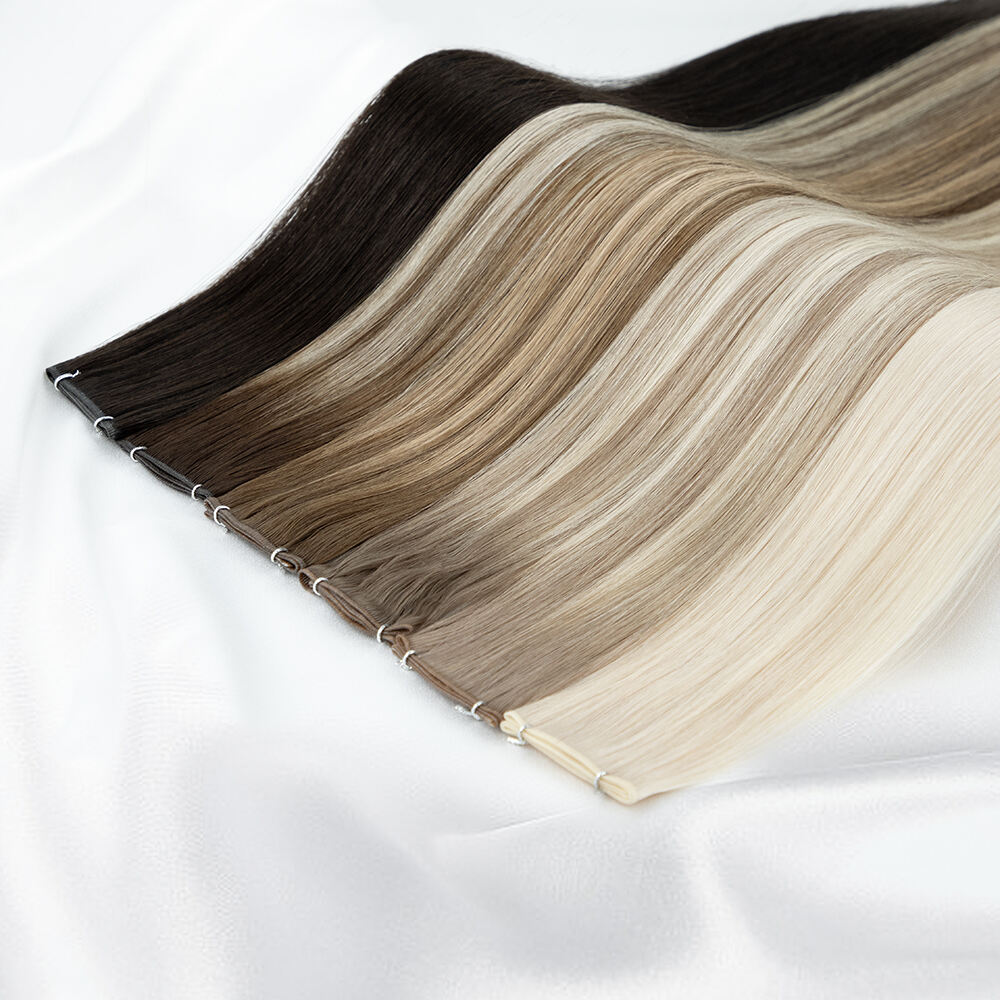
Maintaining consistent color representation across multiple orders presents one of the most challenging aspects of bulk hair extension purchasing. Professional suppliers utilize standardized color matching systems and provide detailed color charts that facilitate accurate ordering processes. These systems help eliminate discrepancies that could result in customer dissatisfaction or product returns.
When working with new suppliers, order small sample quantities of critical colors to verify accuracy before placing larger orders. Document any variations or issues encountered during initial orders to establish clear expectations for future purchases and maintain quality standards across your entire product line.
Custom Color Development
Many B2B clients require custom colors that match specific brand requirements or regional preferences. Suppliers who offer custom color development services provide significant competitive advantages, allowing businesses to differentiate their offerings and serve niche market segments effectively.
Evaluate potential partners based on their color matching capabilities, development timelines, and minimum order requirements for custom shades. Some suppliers maintain extensive color libraries that may already include desired shades, potentially reducing development costs and lead times for special orders.
Length Varieties and Texture Options
Length Selection Strategy
Strategic length selection impacts both inventory management and customer satisfaction levels. Most successful B2B operations maintain stock in popular lengths ranging from 12 to 24 inches, with occasional specialty orders extending to 30 inches or longer. Analyze your customer base demographics and regional preferences to determine optimal length distributions for bulk purchases.
Consider the relationship between length and pricing when developing inventory strategies. Longer hair extension wefts typically command premium prices but may have slower turnover rates compared to mid-length options. Balance inventory investment against expected sales velocity to optimize cash flow and minimize carrying costs.
Texture Matching and Variety
Diverse texture options enable businesses to serve broader customer segments and increase average order values. Common texture categories include straight, body wave, loose wave, and curly varieties, each appealing to different demographic groups and styling preferences. Suppliers should demonstrate expertise in maintaining texture consistency across production batches.
Evaluate texture durability through washing and styling tests to ensure products maintain their appearance throughout normal use cycles. Inconsistent textures or rapid degradation can damage business reputation and increase return rates, making thorough evaluation essential before committing to large orders.
Packaging and Shipping Considerations
Professional Packaging Standards
Professional packaging reflects product quality and enhances brand perception among end customers. Quality suppliers provide protective packaging that prevents tangling, moisture damage, and contamination during storage and transportation. Clear labeling systems facilitate inventory management and reduce fulfillment errors across your operation.
Consider suppliers who offer custom packaging options or private labeling services that align with your brand identity. These services may justify higher per-unit costs through improved customer experience and enhanced brand recognition in competitive markets.
Shipping Logistics and Protection
Effective shipping strategies protect product integrity while minimizing transportation costs and delivery timeframes. Evaluate supplier shipping capabilities, including insurance options, tracking systems, and damage replacement policies that protect your investment throughout the delivery process.
International suppliers may offer competitive pricing but require careful consideration of customs procedures, import duties, and extended shipping times that impact cash flow and inventory planning. Factor these elements into total cost calculations when comparing domestic versus international sourcing options.
Pricing Structures and Payment Terms
Volume Discount Analysis
Understanding supplier pricing structures enables more effective negotiation and budget planning for bulk purchases. Most manufacturers offer tiered pricing based on order volumes, with significant discounts available for larger commitments. Analyze these structures carefully to identify optimal order quantities that balance cash flow constraints with maximum cost savings.
Consider the total cost of ownership beyond initial purchase prices, including storage costs, insurance, and potential obsolescence risks associated with large inventory investments. Sometimes smaller, more frequent orders provide better overall value despite higher per-unit costs.
Payment Terms and Cash Flow Management
Favorable payment terms significantly impact business cash flow and growth potential. Established suppliers may offer net payment terms, early payment discounts, or flexible financing arrangements that improve working capital management. These terms become increasingly important as order volumes and business relationships mature.
Negotiate payment terms that align with your sales cycles and cash flow patterns. Suppliers willing to work with your business rhythm demonstrate partnership commitment and understanding of B2B relationship dynamics that extend beyond simple transactional interactions.
FAQ
What minimum order quantities should I expect when purchasing hair extension wefts in bulk
Most professional suppliers require minimum orders ranging from 50 to 500 pieces depending on the specific product category and customization requirements. Standard colors and lengths typically have lower minimums, while custom colors or specialty textures may require larger commitments. Establish clear minimum requirements early in supplier discussions to ensure alignment with your business capacity and cash flow capabilities.
How can I verify the quality of hair extension wefts before placing large orders
Request samples from multiple production batches to evaluate consistency and quality standards over time. Conduct thorough testing including washing, styling, and durability assessments to simulate real-world usage conditions. Professional suppliers should provide detailed specifications, quality certificates, and transparent information about their manufacturing processes and quality control measures.
What factors should I consider when choosing between domestic and international suppliers
Evaluate total costs including shipping, customs duties, and potential delays against domestic pricing and reliability factors. Consider communication barriers, time zone differences, and cultural factors that may impact business relationships. International suppliers often offer competitive pricing but may require longer lead times and more complex logistics management compared to domestic alternatives.
How do I establish long-term partnerships with hair extension weft suppliers
Focus on suppliers who demonstrate consistent quality, reliable delivery schedules, and responsive customer service across multiple transactions. Establish clear communication protocols, quality expectations, and performance metrics that benefit both parties. Successful partnerships often involve gradual volume increases, collaborative product development, and mutual investment in relationship building that extends beyond simple buyer-seller dynamics.
Table of Contents
- Understanding Hair Extension Weft Quality Standards
- Evaluating Supplier Capabilities and Reliability
- Color Matching and Customization Options
- Length Varieties and Texture Options
- Packaging and Shipping Considerations
- Pricing Structures and Payment Terms
-
FAQ
- What minimum order quantities should I expect when purchasing hair extension wefts in bulk
- How can I verify the quality of hair extension wefts before placing large orders
- What factors should I consider when choosing between domestic and international suppliers
- How do I establish long-term partnerships with hair extension weft suppliers