 EN
EN
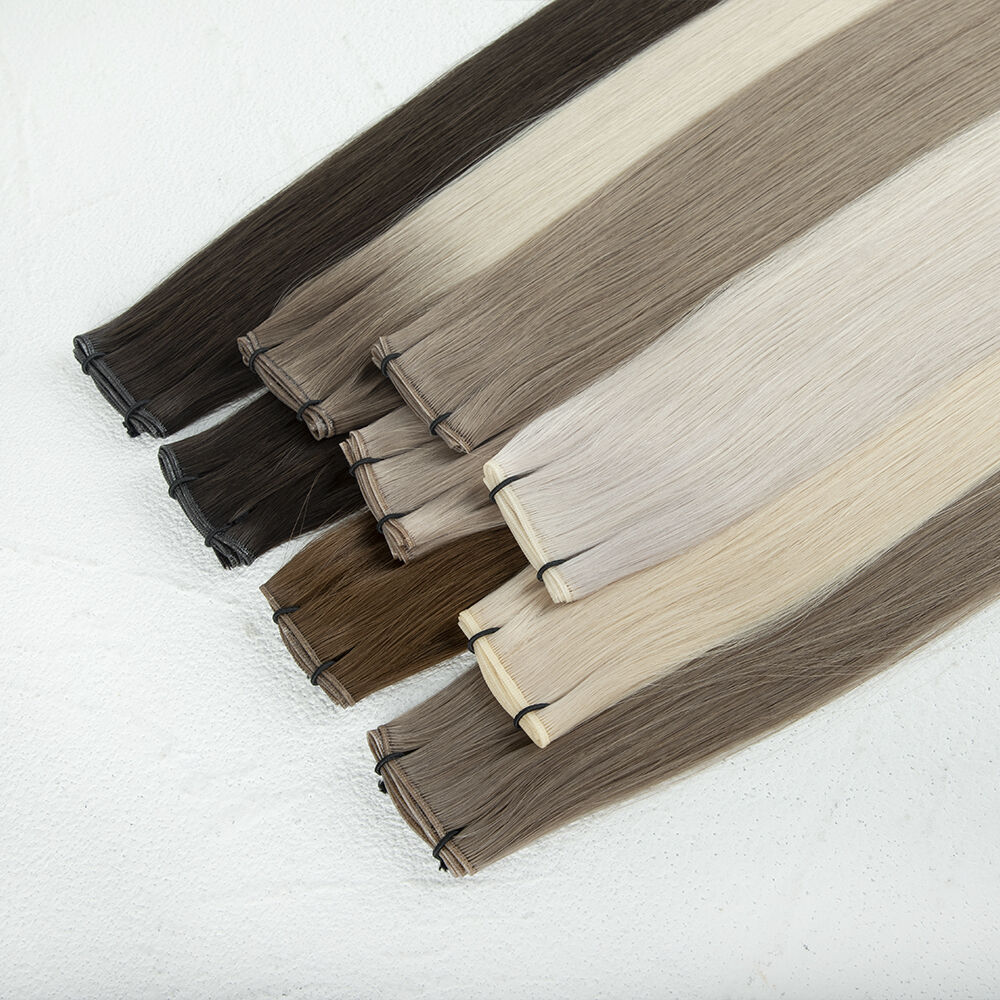
Professional hairstylists face the ongoing challenge of matching weft hair extensions perfectly to their clients' unique hair colors and tones. The art of customization requires technical expertise, quality materials, and a deep understanding of color theory. When working with premium weft hair extensions, the customization process becomes both an art and a science that can dramatically transform a client's appearance while maintaining natural-looking results.
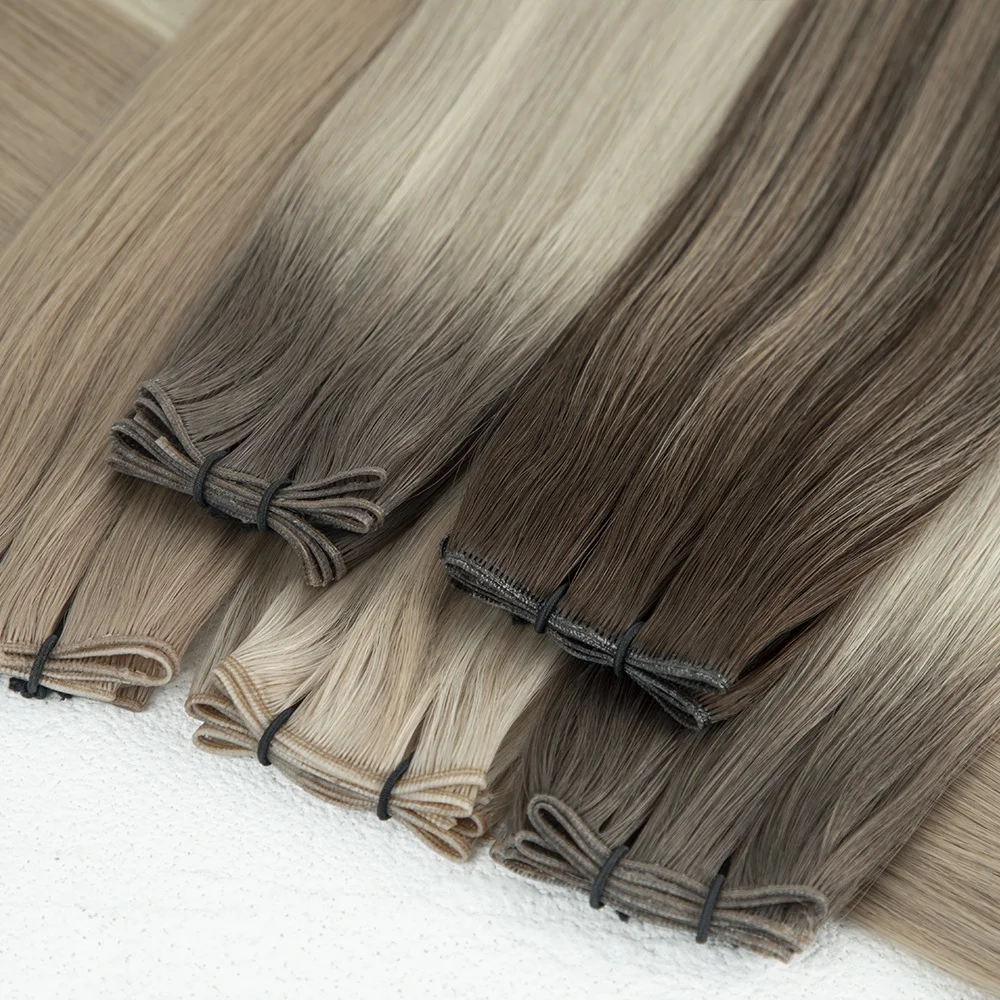
The foundation of successful color matching lies in understanding your client's natural hair characteristics. Every individual possesses unique undertones, highlights, and lowlights that create their distinctive color profile. Professional stylists must analyze these elements carefully before beginning any customization work with weft hair extensions. This comprehensive approach ensures seamless integration and natural-looking results that exceed client expectations.
Understanding Color Theory for Hair Extension Matching
Identifying Undertones and Base Colors
The first step in customizing weft hair extensions involves identifying your client's natural undertones. Cool undertones typically feature ash, violet, or blue bases, while warm undertones display golden, copper, or red characteristics. Neutral undertones combine elements from both cool and warm categories. Understanding these fundamental differences helps stylists select the appropriate base color for their weft hair extensions customization process.
Professional color analysis tools, including color wheels and matching charts, provide valuable guidance during this assessment phase. Natural lighting conditions offer the most accurate representation of your client's true hair color, making window-lit consultation areas essential for precise evaluation. Document these observations carefully, as they will guide every subsequent decision in the customization process.
Analyzing Natural Hair Patterns
Most clients possess multiple tones throughout their natural hair, creating depth and dimension that must be replicated in weft hair extensions. These variations typically include darker roots, lighter ends, and subtle highlights or lowlights distributed throughout the hair shaft. Professional stylists must identify these patterns and incorporate them into their customization strategy.
Take detailed photographs under various lighting conditions to capture the full spectrum of your client's natural color variations. These reference images become invaluable during the customization process, ensuring accuracy and consistency throughout the treatment. Consider seasonal changes that might affect your client's natural hair color, as sun exposure and environmental factors can alter appearance over time.
Professional Coloring Techniques for Extension Customization
Pre-Lightening Methods for Darker Extensions
When working with darker weft hair extensions that need lightening to match lighter client profiles, professional pre-lightening techniques become essential. Bleaching processes must be carefully controlled to avoid damage while achieving the desired lightness level. Use professional-grade lighteners specifically designed for hair extensions, as these formulations provide more controlled results than standard salon products.
The strand test method proves invaluable during pre-lightening procedures. Select a small section of the weft hair extensions and perform the complete lightening process to evaluate results before treating the entire set. This approach prevents costly mistakes and ensures predictable outcomes. Monitor processing time carefully, as extension hair may react differently than natural hair due to previous treatments or processing.
Color Depositing and Toning Strategies
After achieving the desired lightness level, color depositing becomes the next crucial step in customizing weft hair extensions. Professional semi-permanent and demi-permanent color formulations provide excellent results while minimizing damage to the extension hair. These products penetrate the hair shaft sufficiently to create lasting color while maintaining the integrity of the hair structure.
Toning plays a critical role in eliminating unwanted brassy or yellow tones that may appear after lightening. Purple-based toners neutralize yellow undertones, while blue-based formulations address orange tones. The selection of appropriate toners depends on the specific undertones present in the lightened weft hair extensions and the desired final result.
Advanced Customization Methods
Balayage and Highlighting Techniques
Creating natural-looking dimension in weft hair extensions often requires advanced techniques like balayage or strategic highlighting. These methods add depth and movement to the extensions, helping them blend seamlessly with the client's natural hair patterns. Hand-painting techniques allow for precise color placement that mimics natural hair growth patterns and sun-lightened effects.
When applying balayage techniques to weft hair extensions, work in small sections and vary the placement to avoid repetitive patterns. Use different lightness levels to create natural-looking dimension, starting with subtle highlights and gradually building intensity as needed. This layered approach produces more realistic results than single-process coloring methods.
Root Shadowing and Color Melting
Root shadowing techniques help create seamless transitions between the client's natural hair and customized weft hair extensions. This method involves applying darker tones near the attachment points and gradually blending to lighter shades throughout the length. The result appears more natural and requires less frequent maintenance as the client's roots grow.
Color melting techniques blend multiple tones throughout the weft hair extensions, creating smooth transitions that eliminate harsh lines or obvious color breaks. This approach works particularly well for clients with naturally varied hair colors or those seeking dramatic color changes while maintaining natural appearance.
Quality Control and Testing Procedures
Strand Testing Protocols
Implementing comprehensive strand testing protocols ensures consistent results when customizing weft hair extensions. These tests should evaluate color development, processing time, and final color match before treating the complete set. Document all testing parameters, including product formulations, timing, and environmental conditions, to ensure reproducibility.
Perform strand tests under the same conditions planned for the full treatment, using identical lighting, temperature, and humidity levels. This consistency helps predict accurate results and prevents surprises during the actual customization process. Allow adequate drying time between testing and evaluation, as wet hair often appears darker than the final dry result.
Color Matching Under Various Lighting
Professional color matching requires evaluation under multiple lighting conditions to ensure consistent appearance in different environments. Natural daylight provides the most accurate color representation, but indoor lighting, fluorescent fixtures, and evening conditions can all affect color perception. Test customized weft hair extensions under these various conditions before finalizing the treatment.
Create a color matching station with different light sources, including natural daylight bulbs, warm tungsten lighting, and cool fluorescent options. This setup allows comprehensive evaluation of the customized extensions and helps identify any adjustments needed for optimal results in various environments.
Maintenance and Longevity Considerations
Color Preservation Techniques
Maintaining the custom color in weft hair extensions requires specific care protocols to preserve vibrancy and prevent fading. Professional color-safe shampoos and conditioners help maintain color integrity while providing necessary moisture and protection. Recommend these products to clients along with proper usage instructions to extend the life of their customized extensions.
Heat protection becomes particularly important for colored weft hair extensions, as thermal styling can cause accelerated fading and damage. Professional heat protectant products create a barrier between the hair and styling tools while maintaining color vibrancy. Educate clients on proper heat styling techniques and recommended temperature settings for their specific extensions.
Touch-Up and Refresh Strategies
Establishing touch-up schedules helps maintain the appearance of customized weft hair extensions over time. Color refreshing treatments can restore vibrancy without requiring complete re-coloring, making maintenance more cost-effective for clients. These treatments typically involve toning or glossing procedures that revitalize the existing color without significant processing.
Monitor the condition of customized weft hair extensions during regular maintenance appointments, checking for color fading, root growth, or other changes that might affect the overall appearance. Early intervention prevents minor issues from becoming major problems and helps maintain client satisfaction with their customized extensions.
Professional Tools and Equipment
Essential Coloring Supplies
Professional customization of weft hair extensions requires specialized tools and supplies designed for extension work. High-quality mixing bowls, precision brushes, and measuring tools ensure accurate color formulation and even application. Invest in professional-grade products specifically formulated for hair extensions, as these provide better results than standard salon supplies.
Color processing caps or foils help control the coloring process and prevent uneven results when customizing weft hair extensions. These tools allow for sectioning and isolation of specific areas while preventing color bleeding between sections. Proper ventilation equipment ensures safe working conditions during chemical processes.
Color Matching Technology
Advanced color matching technology can enhance accuracy when customizing weft hair extensions. Digital color analyzers provide objective measurements of hair color, reducing subjective interpretation and improving consistency. These devices can identify subtle undertones and variations that might be missed through visual assessment alone.
Color matching software applications help visualize potential results before beginning the customization process. These tools can simulate different color combinations and predict how various formulations will interact with the existing extension hair. While technology enhances accuracy, professional expertise remains essential for interpreting results and making final decisions.
Client Consultation and Communication
Setting Realistic Expectations
Effective client communication begins with honest discussions about what can be achieved when customizing weft hair extensions. Some color corrections may require multiple sessions, while others might not be possible without compromising hair integrity. Present realistic timelines and expected outcomes to prevent disappointment and ensure client satisfaction.
Use visual aids, including color swatches and before-and-after photographs, to help clients understand the customization process and expected results. These tools facilitate clear communication and help clients make informed decisions about their weft hair extensions customization. Document all agreements and expectations to prevent misunderstandings later in the process.
Color Formulation Documentation
Maintaining detailed records of color formulations used for each client ensures consistency for future touch-ups or replacements. Document all products used, mixing ratios, processing times, and environmental conditions during the customization of weft hair extensions. This information becomes invaluable for maintaining consistent results over time.
Create comprehensive client profiles that include natural hair analysis, chosen formulations, and photographic documentation of results. These records help track color history and guide future customization decisions. Share appropriate information with clients so they can maintain their extensions properly between appointments.
FAQ
How long does the color customization process take for weft hair extensions?
The customization timeline for weft hair extensions varies depending on the complexity of the color change required. Simple toning procedures may take 2-3 hours, while complex color corrections involving lightening and multiple color applications can require 4-6 hours or multiple appointments. Strand testing adds additional time but ensures optimal results. Always allocate adequate time for proper processing and evaluation to achieve the best possible outcome.
Can all types of weft hair extensions be customized with color?
Most high-quality human hair weft hair extensions can be customized with professional coloring techniques. However, previously processed or chemically treated extensions may have limited customization options due to existing damage or color saturation. Synthetic extensions generally cannot be colored using traditional methods. Always perform strand tests to evaluate the extension hair's condition and coloring potential before beginning any customization process.
How often should customized weft hair extensions be refreshed?
Color refresh frequency for customized weft hair extensions depends on the specific colors used, care routine, and environmental exposure. Generally, toning treatments may be needed every 6-8 weeks to maintain vibrancy, while complete color refresh might be required every 3-4 months. Clients who use heat styling frequently or expose their extensions to sun and chlorine may need more frequent touch-ups. Regular professional assessments help determine optimal refresh schedules.
What precautions should be taken when coloring weft hair extensions at home?
Home coloring of weft hair extensions carries significant risks and is generally not recommended due to the specialized techniques and professional products required. If clients insist on DIY coloring, advise them to use only products specifically designed for extensions, perform thorough strand tests, and avoid bleaching processes. However, professional customization provides superior results, better color longevity, and reduced risk of damage to expensive weft hair extensions. Recommend consulting with experienced stylists for optimal outcomes.
Table of Contents
- Understanding Color Theory for Hair Extension Matching
- Professional Coloring Techniques for Extension Customization
- Advanced Customization Methods
- Quality Control and Testing Procedures
- Maintenance and Longevity Considerations
- Professional Tools and Equipment
- Client Consultation and Communication
- FAQ