 EN
EN

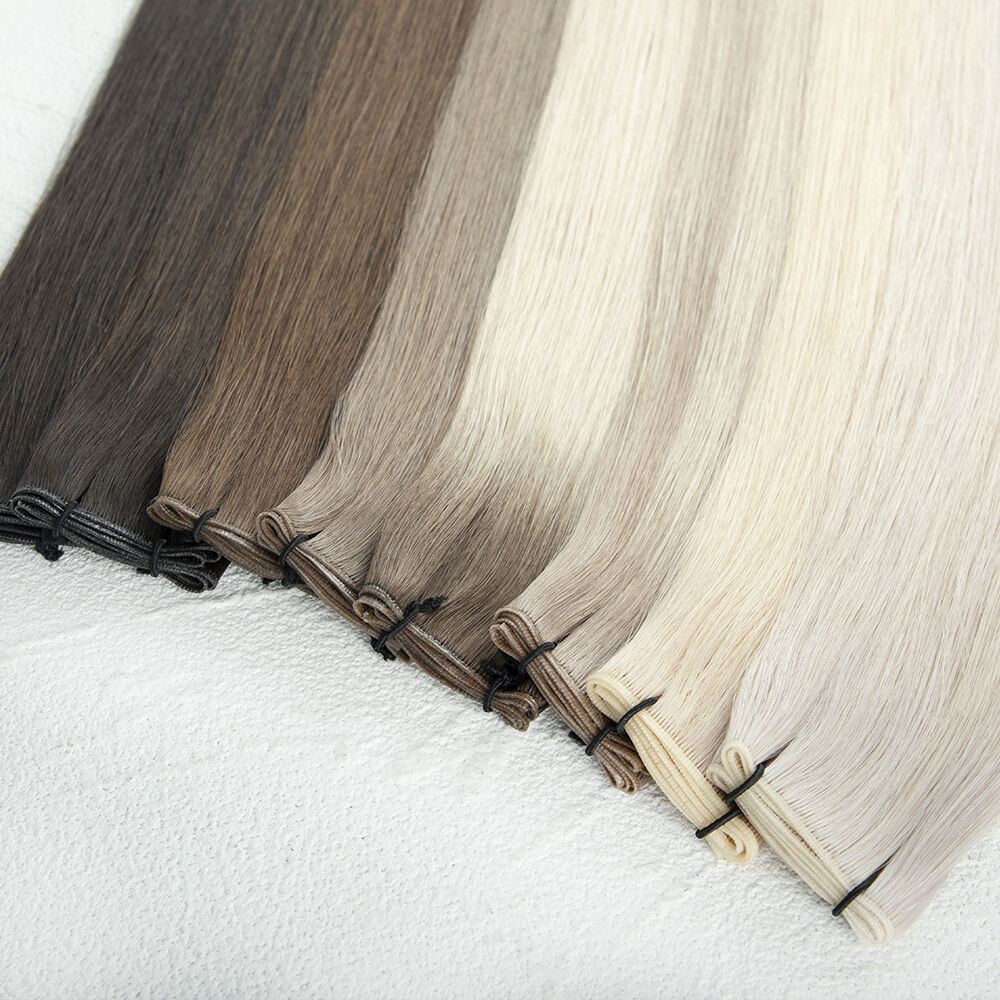
When B2B buyers evaluate hair extension options for large-scale sourcing, the choice between genius weft vs hand-tied wefts represents a critical decision that impacts both product quality and profitability. Professional salon suppliers, distributors, and retailers must understand the fundamental differences between these two premium weft construction methods to make informed sourcing decisions that align with their market positioning and customer expectations.

The comparison between genius weft vs hand-tied wefts extends beyond simple construction techniques to encompass crucial factors including installation efficiency, client comfort, durability, and overall cost-effectiveness in commercial applications. For B2B sourcing professionals, understanding these distinctions enables strategic product selection that maximizes both immediate profitability and long-term client satisfaction across diverse market segments.
Construction Technology and Manufacturing Differences
Genius Weft Manufacturing Process
The genius weft construction utilizes advanced machine-sewn technology that creates an ultra-thin, flexible weft base designed to lay flat against the scalp. This innovative manufacturing process involves precision machinery that secures hair strands into a reinforced yet pliable foundation, resulting in a weft thickness that typically measures less than 2mm. The genius weft vs hand-tied wefts comparison reveals that this machine-based approach allows for consistent quality control and standardized dimensions across large production runs.
Manufacturing scalability represents a significant advantage for B2B sourcing, as genius weft production can accommodate high-volume orders with predictable timelines and uniform specifications. The automated process reduces labor dependency while maintaining quality consistency, making it an attractive option for distributors requiring reliable supply chains and standardized product characteristics for their retail networks.
Hand-Tied Weft Artisan Construction
Hand-tied weft construction employs skilled artisans who individually secure each hair strand using specialized knotting techniques, creating a weft that measures approximately 1mm in thickness. This meticulous process results in exceptional flexibility and a virtually undetectable base when properly installed. The genius weft vs hand-tied wefts analysis shows that hand-tied methods produce superior movement and natural fall characteristics due to the individual attention given to hair strand placement.
The artisan nature of hand-tied weft production means that manufacturing timelines are typically longer and production volumes may be more limited compared to machine-made alternatives. However, this construction method allows for greater customization options and premium positioning in luxury market segments, making it valuable for B2B buyers targeting high-end salon clientele.
Installation Requirements and Professional Application
Installation Efficiency and Time Considerations
The genius weft vs hand-tied wefts comparison reveals significant differences in installation requirements that directly impact salon productivity and service pricing. Genius wefts typically require specialized beading or tape-in installation methods, with application times ranging from 45 to 90 minutes depending on the desired coverage and stylist experience level. The consistent weft dimensions facilitate predictable installation patterns and reduce the learning curve for professional stylists.
Hand-tied wefts offer greater installation versatility, accommodating various application methods including sew-in, beading, and clip-in attachments. Installation times for hand-tied wefts generally range from 60 to 120 minutes, with the flexibility advantage allowing stylists to customize placement based on individual client hair characteristics and desired outcomes. This adaptability makes hand-tied wefts particularly suitable for salons serving diverse clientele with varying hair textures and styling preferences.
Maintenance and Longevity Factors
Professional maintenance requirements differ significantly between genius weft vs hand-tied wefts, affecting both salon service revenue and client satisfaction. Genius wefts typically maintain their integrity for 6 to 8 weeks before requiring professional adjustment or reinstallation, with their machine-constructed base providing consistent durability across the weft length. The standardized construction allows for predictable wear patterns and maintenance scheduling.
Hand-tied wefts often demonstrate superior longevity when properly maintained, lasting 8 to 12 weeks between salon visits due to their flexible construction and reduced stress on attachment points. The genius weft vs hand-tied wefts analysis shows that hand-tied options typically require less frequent professional intervention, potentially increasing client satisfaction and reducing service-related costs over time.
Market Positioning and Pricing Strategy Considerations
Target Market Segmentation
The genius weft vs hand-tied wefts decision significantly impacts market positioning strategies for B2B buyers. Genius wefts align well with mid-to-upper market segments seeking modern convenience and reliable performance without premium luxury pricing. These products appeal to busy professionals and younger demographics who prioritize installation efficiency and consistent results over artisanal craftsmanship characteristics.
Hand-tied wefts command premium positioning in luxury market segments where clients expect superior customization and artisanal quality. This construction method appeals to discerning customers willing to invest in premium hair extension experiences, making hand-tied options particularly suitable for high-end salons and exclusive beauty establishments targeting affluent clientele.
Profit Margin and Volume Considerations
B2B sourcing decisions between genius weft vs hand-tied wefts must account for wholesale pricing structures and retail margin potential. Genius wefts typically offer more favorable wholesale pricing due to automated manufacturing processes, enabling competitive retail pricing while maintaining healthy profit margins. The standardized production also supports volume discount opportunities for large-scale buyers.
Hand-tied wefts command higher wholesale prices reflecting their labor-intensive construction, but also support premium retail pricing strategies that can yield superior per-unit profits. The genius weft vs hand-tied wefts comparison shows that hand-tied options often generate higher absolute profit margins despite lower volume throughput, making them attractive for businesses focused on premium market positioning.
Quality Control and Sourcing Reliability
Manufacturing Consistency Standards
Quality control processes differ substantially between genius weft vs hand-tied wefts manufacturing, affecting sourcing reliability and product consistency. Genius weft production benefits from automated quality control systems that monitor weft dimensions, hair distribution, and construction integrity throughout the manufacturing process. This systematic approach reduces variation between production batches and ensures predictable quality standards across large orders.
Hand-tied weft quality control relies heavily on skilled artisan expertise and manual inspection processes, potentially resulting in greater variation between individual pieces. However, experienced manufacturers often implement rigorous training programs and quality checkpoints that maintain high standards while preserving the artisanal characteristics that distinguish hand-tied products in premium market segments.
Supply Chain Management and Lead Times
The genius weft vs hand-tied wefts comparison reveals important supply chain considerations for B2B sourcing strategies. Genius weft production typically supports shorter lead times and more flexible order scheduling due to automated manufacturing capabilities and reduced labor dependency. This reliability makes genius wefts suitable for businesses requiring consistent inventory replenishment and predictable delivery schedules.
Hand-tied weft production requires longer lead times and advance planning due to the skilled labor requirements and sequential manufacturing processes. However, established suppliers often maintain inventory buffers and employ multiple production teams to minimize delays and support reliable delivery schedules for committed B2B partners.
FAQ
What are the main cost differences between genius weft vs hand-tied wefts for wholesale buyers?
Wholesale pricing for genius weft vs hand-tied wefts typically shows a 20-40% cost difference, with genius wefts offering more competitive wholesale rates due to automated manufacturing processes. Hand-tied wefts command premium wholesale pricing reflecting their labor-intensive construction, but this higher cost often supports superior retail margins and luxury market positioning that can justify the investment for appropriate market segments.
How do installation times compare between genius weft vs hand-tied wefts in professional salon settings?
Installation efficiency varies between genius weft vs hand-tied wefts based on application method and stylist experience. Genius wefts typically require 45-90 minutes for full installation using specialized beading or tape methods, while hand-tied wefts range from 60-120 minutes depending on the chosen attachment technique. Hand-tied wefts offer greater installation flexibility but may require additional time for customization and precise placement.
Which option provides better longevity and client satisfaction in commercial applications?
Client satisfaction with genius weft vs hand-tied wefts depends largely on individual preferences and lifestyle factors. Hand-tied wefts generally provide superior longevity lasting 8-12 weeks between maintenance appointments, while genius wefts typically require attention every 6-8 weeks. Both options deliver excellent client satisfaction when properly matched to appropriate market segments and individual client needs.
What volume requirements should B2B buyers consider when choosing between these weft types?
Volume considerations for genius weft vs hand-tied wefts sourcing depend on target market demand and inventory turnover rates. Genius wefts support higher volume orders with shorter lead times, making them suitable for businesses with rapid inventory turnover. Hand-tied wefts work better for premium-focused businesses with lower volume but higher margin requirements, typically requiring advance planning for inventory management due to longer production timelines.
Table of Contents
- Construction Technology and Manufacturing Differences
- Installation Requirements and Professional Application
- Market Positioning and Pricing Strategy Considerations
- Quality Control and Sourcing Reliability
-
FAQ
- What are the main cost differences between genius weft vs hand-tied wefts for wholesale buyers?
- How do installation times compare between genius weft vs hand-tied wefts in professional salon settings?
- Which option provides better longevity and client satisfaction in commercial applications?
- What volume requirements should B2B buyers consider when choosing between these weft types?